

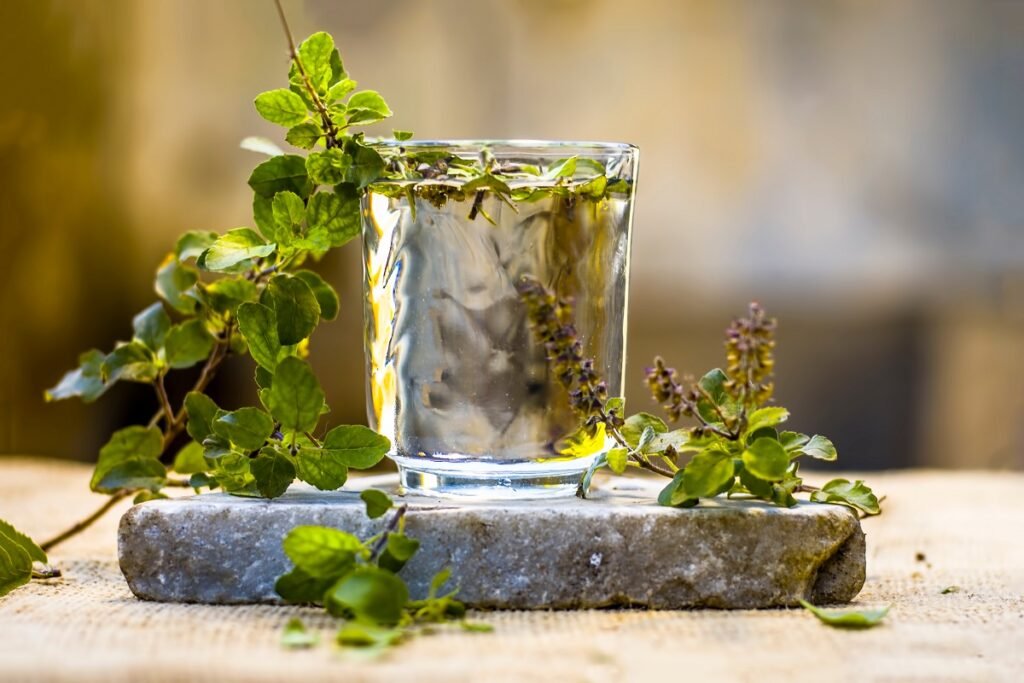
Every year on September 14, the Orthodox Feast of the Exaltation of the Holy Cross is associated with an old Greek custom: preparing a new sourdough starter with basil blessed during the church service.
In earlier times, September 14 was not only one of the most important dates in the Orthodox calendar. For many rural Greek families, it also marked the day on which a new sourdough starter was prepared to provide bread throughout the coming year.
The custom is closely linked to the large, slightly sour loaves traditionally baked in wood-fired ovens—the familiar “grandmother’s bread” that remains deeply rooted in Greece’s culinary and collective memory.
Blessed basil and the new starter
According to Greek religious and folk tradition, the new starter was made using a sprig of basil blessed in church during the service for the Exaltation of the Holy Cross.
The basil was dipped three times into lukewarm water while making the sign of the Cross. Flour was then gradually added until a thick mixture was formed. The container was covered and placed in a warm location.
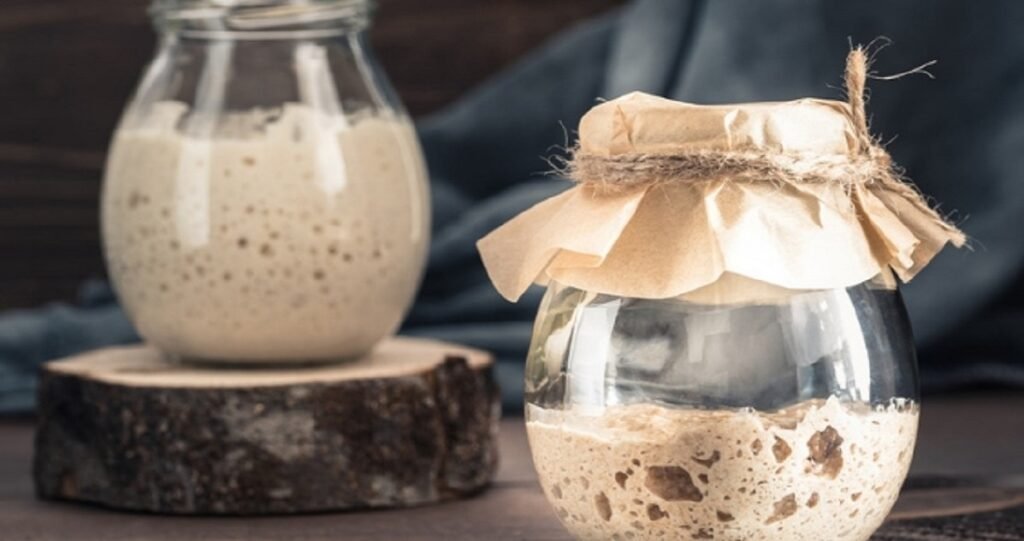
Over the following days, small quantities of flour and water were added until the mixture began to rise, developing the bubbles and mildly sour aroma associated with an active starter.
Archimandrite Dositheos describes this traditional preparation in his book Opsopoion Magganeies, or Monastic Cooking, connecting the process with prayer and the hymns of the feast.
A living culture in the home
Behind the religious custom lies a fascinating natural process. Sourdough starter is a living microbial community containing yeasts and bacteria that feed on carbohydrates in the flour.
During fermentation, these microorganisms produce carbon dioxide, helping the dough to rise. The organic acids and other compounds they generate also influence the bread’s flavour, aroma, texture and shelf life.
Making sourdough starter today
A simple homemade starter can be prepared by combining approximately 50 grams of flour with an equal quantity of lukewarm water to form a thick paste.
The mixture is placed in a clean container that should not be sealed airtight, as gases are produced during fermentation. Fresh flour and water are added regularly to “feed” the developing culture.
The process generally takes five to seven days, depending on temperature and other conditions. A starter is considered active when it develops numerous bubbles, increases noticeably in volume and has a pleasantly sour smell.
A starter showing visible mould, unusual colouring or a strongly unpleasant odour should not be used.
Is every sourdough starter different?
Scientific research confirms that sourdough starters can develop distinctive microbial profiles. However, the popular belief that geography is the primary factor determining their composition is not strongly supported by the evidence.
A major study examining 500 sourdough starters from four continents found little evidence of clear geographical patterns. Preparation and maintenance practices—including the flour used, feeding schedule, temperature and storage conditions—appear to be more influential.
A starter passed from grandmother to mother and from one generation to the next may therefore preserve its history while continuing to evolve in the hands of each person who cares for it.
The Holy Cross Day tradition uniquely brings together faith, family memory and generations of practical knowledge. Within a simple mixture of flour and water survives a piece of cultural heritage—and the unmistakable aroma of homemade bread.