
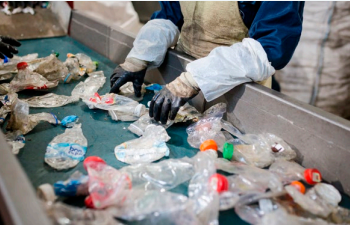
A new European regulation that entered into force during the summer introduces major changes to the use and management of packaging, aiming to reduce waste and make packaging more sustainable throughout the European Union.
The new rules establish specific targets for gradually reducing packaging waste compared with 2018 levels. Packaging volumes are to be reduced by 5% by 2030, 10% by 2035 and 15% by 2040.
EU member states will also be required to take measures specifically aimed at reducing plastic packaging waste.
From 1 January 2030, certain types of single-use plastic packaging will be prohibited. These include packaging for unprocessed fresh fruit and vegetables, as well as packaging used for food and beverages consumed in cafés and restaurants.
The restrictions will also cover individual sachets containing condiments, sauces, milk or sugar, together with very lightweight plastic carrier bags.
Another important provision concerns the use of so-called “forever chemicals.” Per- and polyfluoroalkyl substances, widely known as PFAS, will be prohibited in packaging that comes into contact with food.
The new measures mark a significant change for both consumers and businesses, paving the way for less waste, greater reuse and safer, more environmentally friendly packaging across the European Union.