

From Kalymnos’ Olympic Hotel to Rhodes
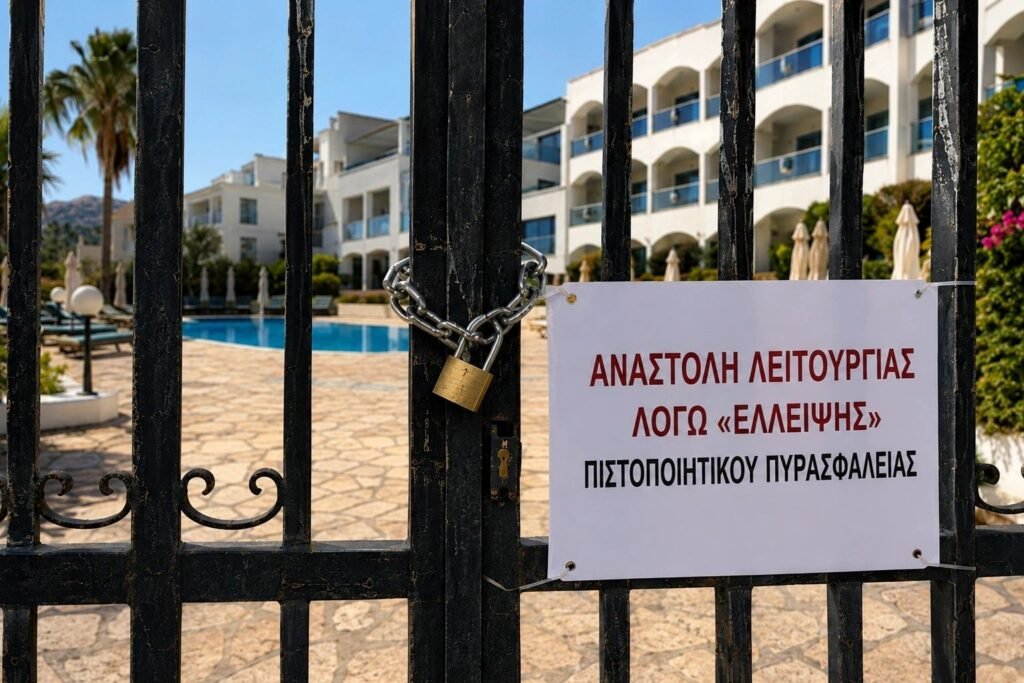
The issue of missing or delayed fire safety certificates has once again returned to the spotlight, this time in Rhodes, where dozens of hotels are facing penalties, license revocations and even closure orders, despite owners maintaining that they submitted all required fire protection studies within the prescribed deadlines.
According to a report published by Dimokratiki, the problem does not stem from deficiencies in the safety measures implemented by the businesses themselves, but rather from delays within the understaffed Rhodes Fire Service, which has reportedly been unable to process applications and issue the necessary certificates in a timely manner. Nevertheless, the absence of these documents has triggered administrative sanctions by tourism authorities, effectively transferring the cost of bureaucratic inefficiency onto the businesses.
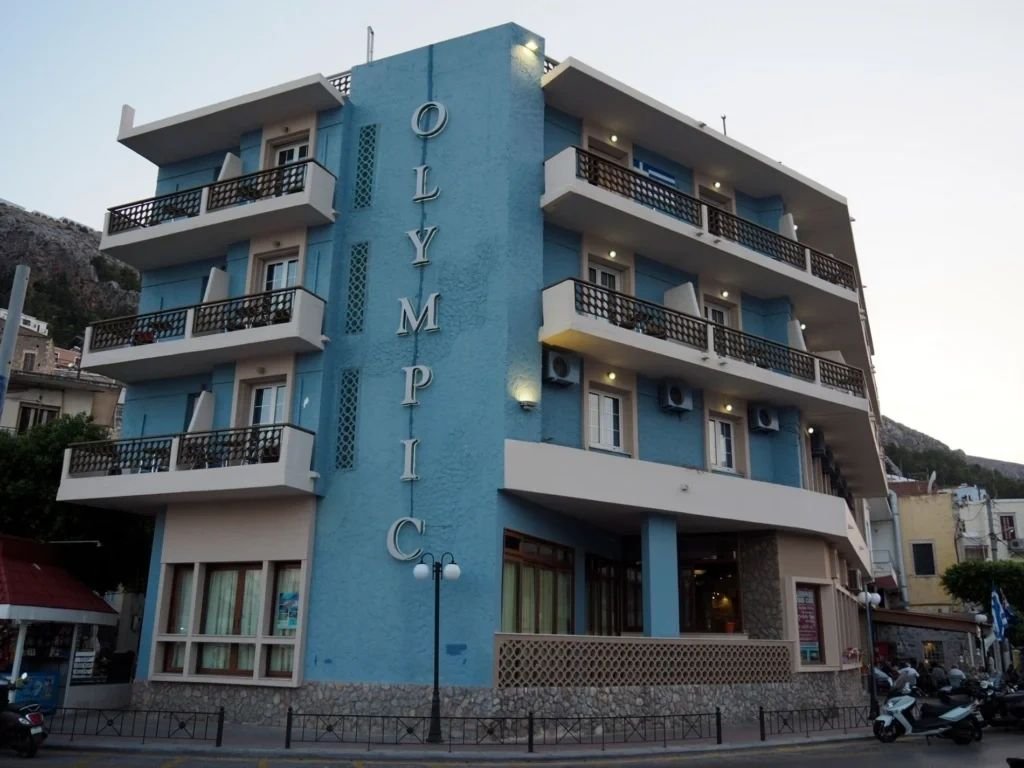
The development strongly recalls the case of the Olympic Hotel in Kalymnos, which attracted significant attention last year after being sealed due to the absence of a fire safety certificate and was highlighted by our news site, Kalymnos Times https://kalymnostimes.com/english-page/f/public-outrage-sealing-of-histori%E2%80%9Colympic%E2%80%9D-hotel-in-kalymnos. The case sparked considerable debate on the island and highlighted the “problems” that can arise when administrative mechanisms fail to respond in a timely manner to regulatory requirements.
It should be noted that, according to information provided by those familiar with the Olympic Hotel case, the fire safety certificate had allegedly been issued on time but had not been delivered to the hotel’s management in time to be presented during an inspection conducted by the Rhodes office of the Greek National Tourism Organisation (GNTO/EOT). One year later, the hotel reportedly remains closed due to what has been described as a fire safety “deficiency”.
In Rhodes, the Hotel Association has already mobilized, requesting an extension and suspension of sanctions until the Fire Service completes the pending certification procedures. Industry representatives estimate that approximately 20 hotel establishments have already been affected by measures that threaten their operation during the peak tourist season.
The situation highlights a longstanding challenge within public administration: when bureaucratic delays are transformed into business risks. If the Olympic Hotel case in Kalymnos served as a warning signal for the tourism industry, the current developments in Rhodes suggest that the problem not only persists but may be growing in scale within one of Greece’s most important tourism destinations.
The situation also raises questions that competent authorities may wish to address. Some stakeholders argue that sanctions based primarily on administrative delays rather than verified safety deficiencies risk creating an impression of inconsistency in enforcement. As similar cases continue to emerge, concerns are being voiced within the tourism sector regarding whether regulatory actions adequately distinguish between genuine safety violations and delays resulting from bureaucratic procedures. The recurring nature of such incidents has led some industry representatives to suggest that a broader review of the current administrative framework may be warranted.
Source: www.dimokratiki.gr