
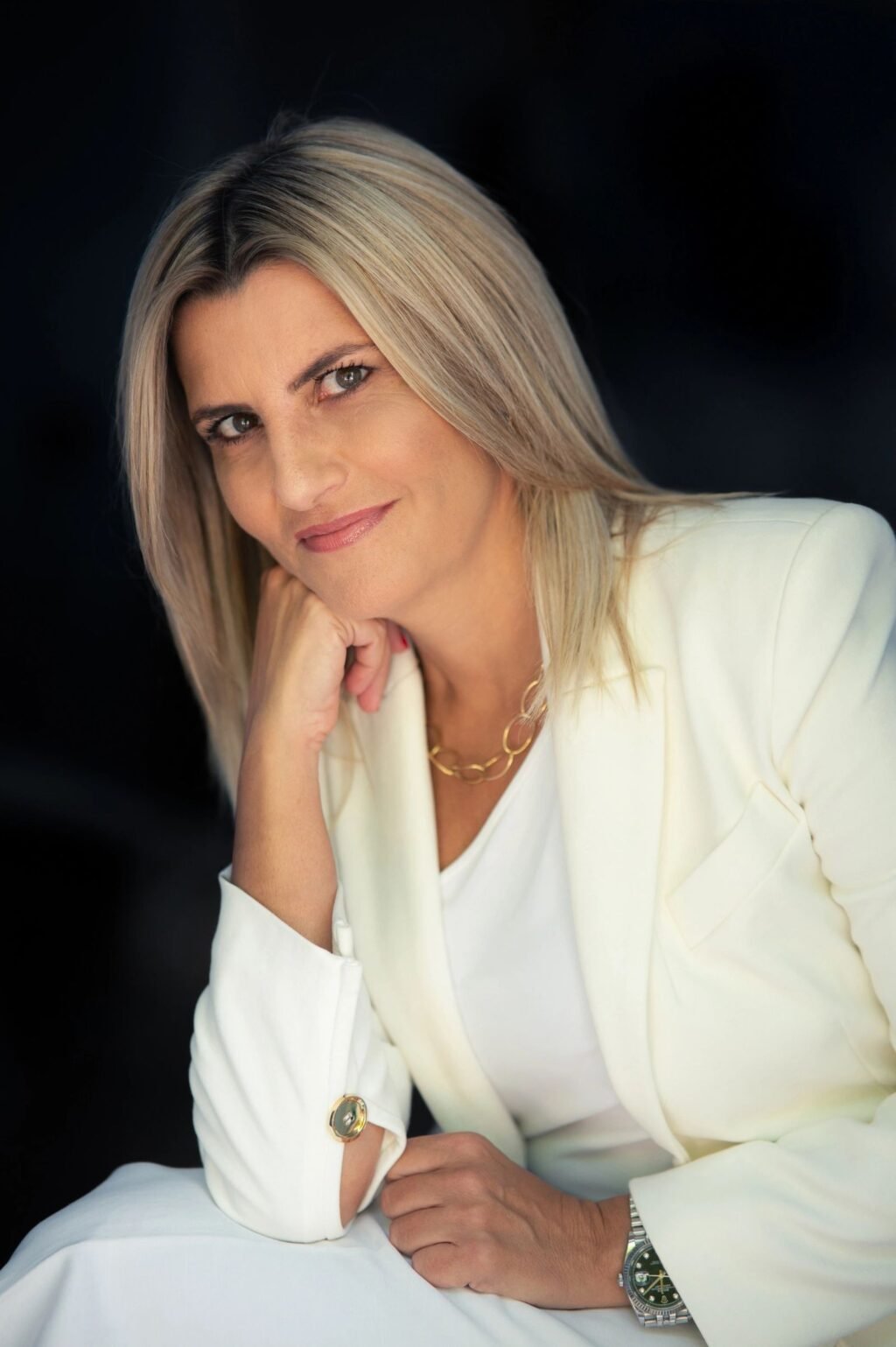
Dr. Katerina Gavala
Ophthalmologist
President, Medical Association of Kos
Deputy Secretary for Island Policy, PASOK-KINAL
According to ELSTAT data for 2024, Greece is shrinking and aging, with births at 68,467 and deaths at 126,916 — a natural decrease of 58,449. On the islands, this reality translates into closed schools, empty homes, and declining communities.
Responding to this crisis, the Medical Association of Kos, supported by its Board, proposed to the municipalities of Kos and Nisyros to fund a program offering free Anti-Müllerian Hormone (AMH) fertility testing for women. Fertility awareness is a right, and women should have access to modern tools to plan their future.
On October 19, a scientific conference on low birth rates will be held at the Kos Marina, co-organized with the Athens Medical Association, the Intermunicipal Network of Healthy Cities, and the World Hippocratic Institute of Physicians. The aim is to start an institutional dialogue involving scientists, society, and local government to find practical solutions and pressure the state to act.
However, tackling the demographic issue requires more than medical science—it demands a new, supportive island policy:
- VAT: Restore reduced VAT rates across all islands, regardless of population. High living and transport costs cannot be compared to mainland areas like Attica.
- Housing: Tourism and short-term rentals have driven up rents. Couples need housing subsidies and incentives for permanent residence — no home, no family.
- Water: Islanders need permanent solutions, such as desalination, sustainable wastewater management, and infrastructure — not just water tankers.
- Energy: Although the Dodecanese grid connection is planned for 2029, faster progress and support for energy communities are essential to lower costs for households and businesses.
- Entrepreneurship: Small businesses on islands need better access to funding and incentives — entrepreneurship is a matter of survival.
- Resilience Fee: From 2025, accommodation providers will pay up to €15 per overnight stay. This revenue, generated by tourism, must return to local communities — supporting housing, healthcare, education, and infrastructure.
Islanders know that “remote area” isn’t just a term — it’s their home, their life. With a plan that unites the state, local government, and society, islands can become places where life is supported in practice — with water, energy, housing, and jobs.
The choice is ours — and achievable — if we dare to turn island life into an opportunity.
Dr. Katerina Gavala
Ophthalmologist
President, Medical Association of Kos
Deputy Secretary for Island Policy, PASOK-KINAL