
By Eleftheria Tiliakou, No Filter
In Greece, public works often resemble a political relay race. One politician holds the shovel at the groundbreaking ceremony, another cuts the ribbon at the inauguration — and in the end, a third claims the glory on Facebook. If it weren’t so predictable, it would be funny. But by now, it has become a political tradition, sitting comfortably next to the eternal “we will” and “it has already been scheduled.”
From the Thessaloniki Metro, which was laid out before today’s university students were even born, to the Acropolis Museum, conceived under Melina Mercouri and inaugurated years later by Kostas Karamanlis, the examples are endless. It’s the familiar political logic of: “you start it, I’ll inaugurate it, and they’ll remember us both — or none of us.”
We see the same pattern clearly in the Dodecanese:
The new Rhodes General Hospital was founded in one era, inaugurated in another, and still no one agrees on who “actually delivered it.” The port of Kamiros Skala passed through two regional governors before it was completed. And in many other projects, we hear the classic phrase: “planned under one, executed under another, inaugurated by a third — but always presented as our vision.”
And now, let’s zoom in on Kalymnos. A place where major projects always have a story — and often, two mayors.
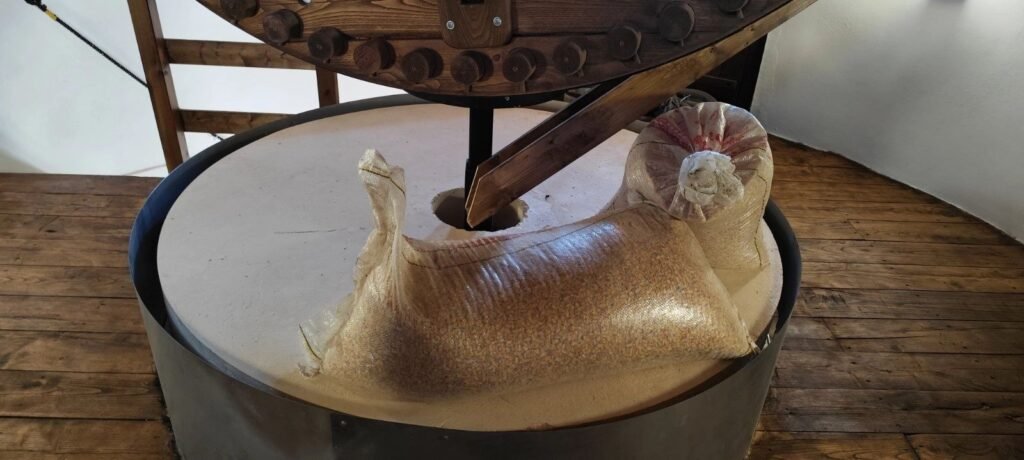
A defining example: the restoration of the Windmills of Chrysocheria.
A famous, symbolic project with historical and aesthetic value — one that involved speeches, commitments, designs, and the usual delays. It was Dimitris Diakomichalis who started it — secured funding, initiated procedures, signed contracts, and set the vision in motion to highlight the monument. But it was Yiannis Mastrokoukos who saw it through: he took it to the next stage, recently accepted it administratively, and will finalize the remaining details so it can be delivered to the public.
So who “did the project”?
The one who began it?
The one who finished it?
Or maybe no one did it alone?
The truth is that our politics often traps us in a cycle where credit replaces substance. Groundbreaking becomes ceremony. Inaugurations become televised spectacles. And the essence — whether the project works, has quality, and actually benefits the people — belongs to no single person.
A good project is always collective.
A bad project is one no one wants to remember.
And inaugurations, no matter how festive, do not write history by themselves. What writes history is durability, usefulness, and consistency. Not the ribbons.
The real question is not who posed for the photo — but who left something meaningful behind. In a country that often forgets, that may be the one thing worth remembering.