

Turning the Tide for Island Commerce
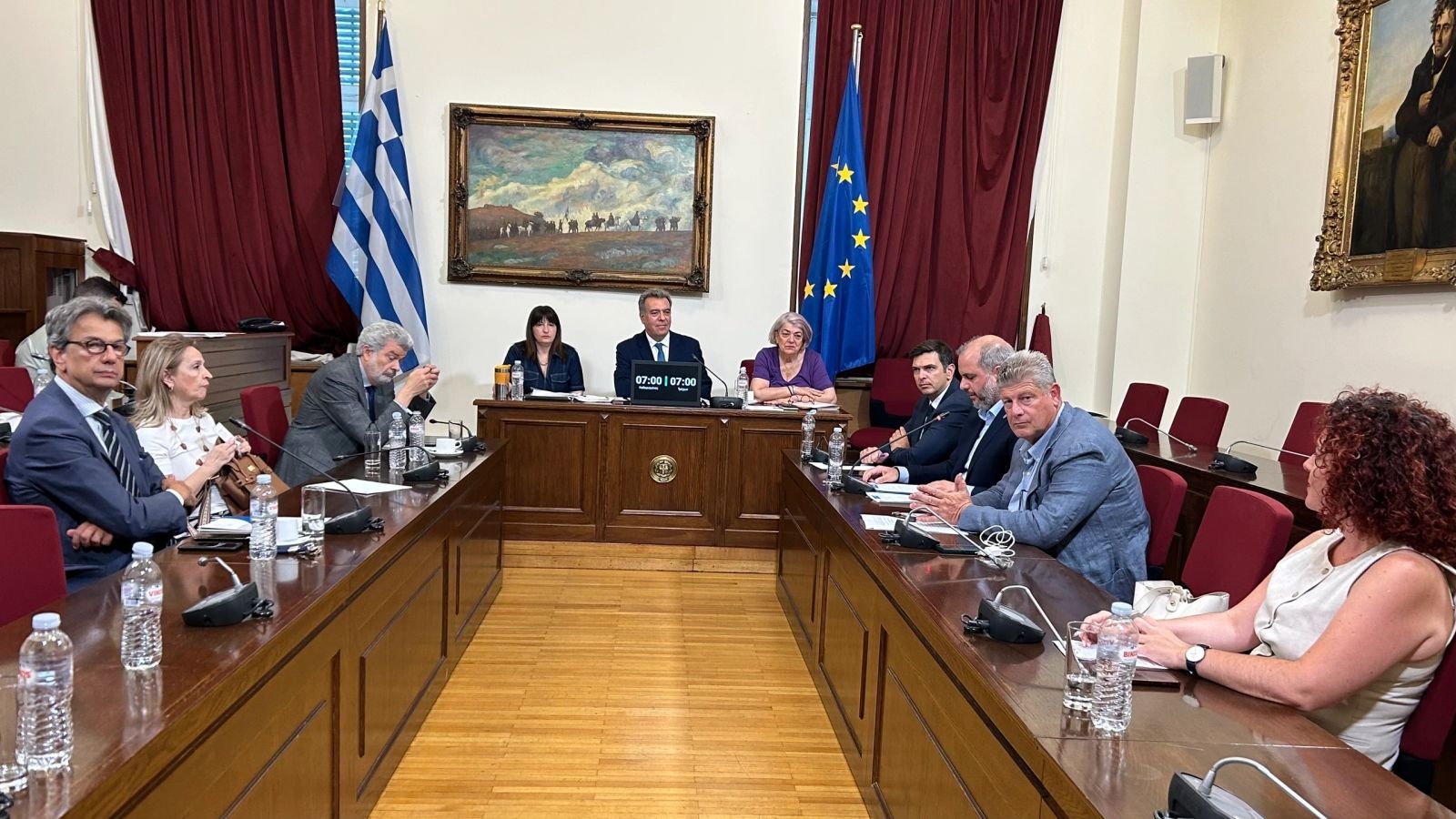
The Hellenic Parliament’s Subcommittee on Island Regions held a special session on the future of commerce in Greece’s islands, following an initiative by Dodecanese MP Manos Konsolas. The meeting brought together representatives from the Ministry of Development, the Hellenic Confederation of Commerce and Entrepreneurship (ESEE), regional chambers of commerce, academia, and local government to discuss the unique challenges facing island businesses.
Konsolas stressed that islands should not be viewed solely as tourist destinations, arguing that they possess significant potential for broader economic development. He cited Malta as an example of an island economy where tourism is important but not the only driver of growth.
He identified the main obstacles confronting island commerce, including high transportation and energy costs, seasonality, taxation, the lack of targeted investment incentives, and illegal trade.
To address these challenges, the Dodecanese MP presented a comprehensive package of proposals, including:
- restoring reduced VAT rates across Greece’s island regions,
- redesigning and automating the Island Transport Equivalent subsidy,
- incentives for e-commerce development,
- strengthening the responsibilities of local Chambers of Commerce,
- introducing a special tax regime for businesses on islands with fewer than 3,000 residents,
- tighter controls against illegal trade,
- promoting local products in domestic and international markets,
- and expanding training programs to help entrepreneurs adopt modern business and management practices.
According to Konsolas, a comprehensive island commerce strategy is essential to strengthen entrepreneurship, improve competitiveness, and ensure sustainable economic development across Greece’s island communities.