
At the country’s first Orthodox church, closely linked to the beginnings of the Orthodox Mission
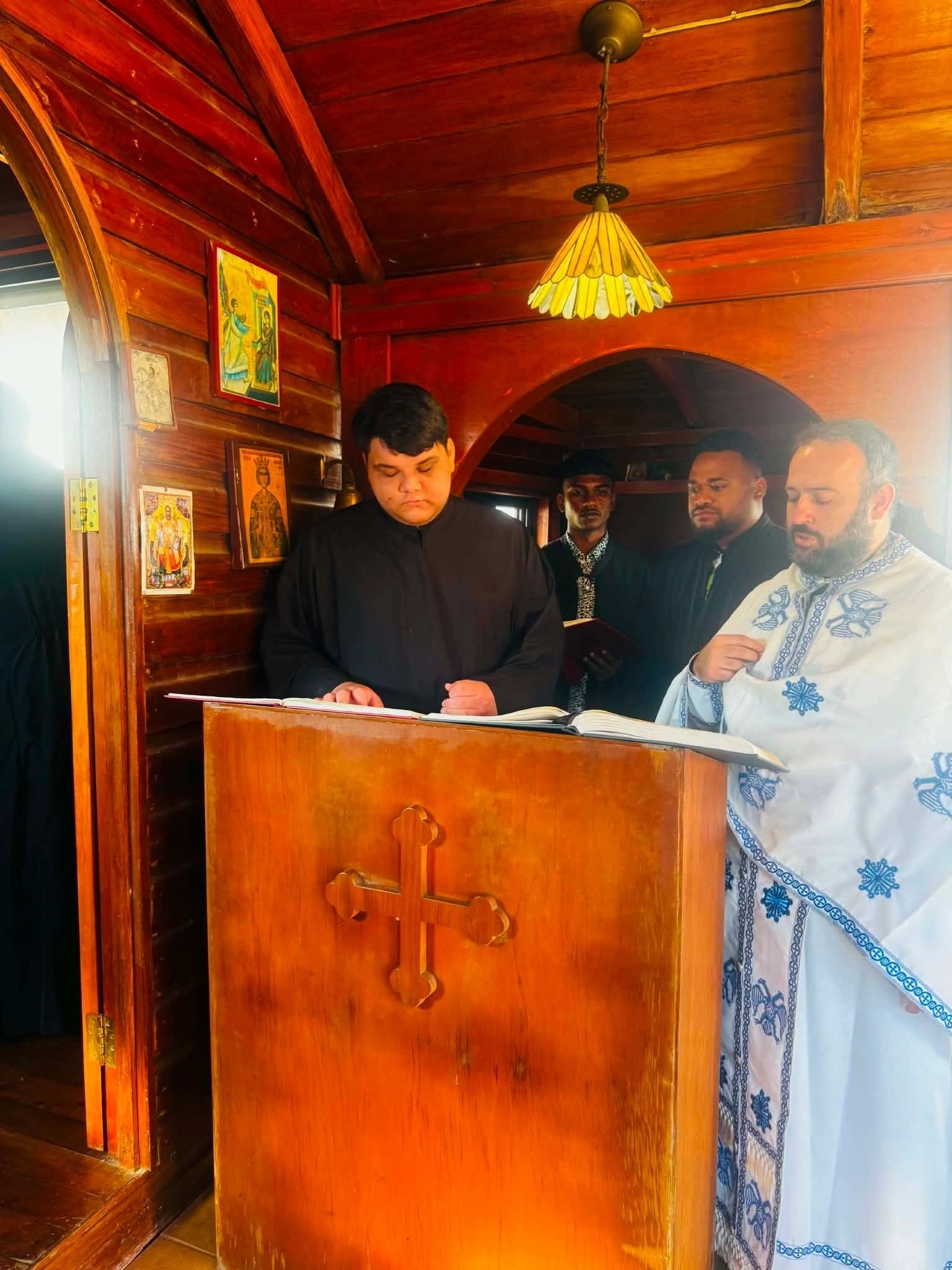
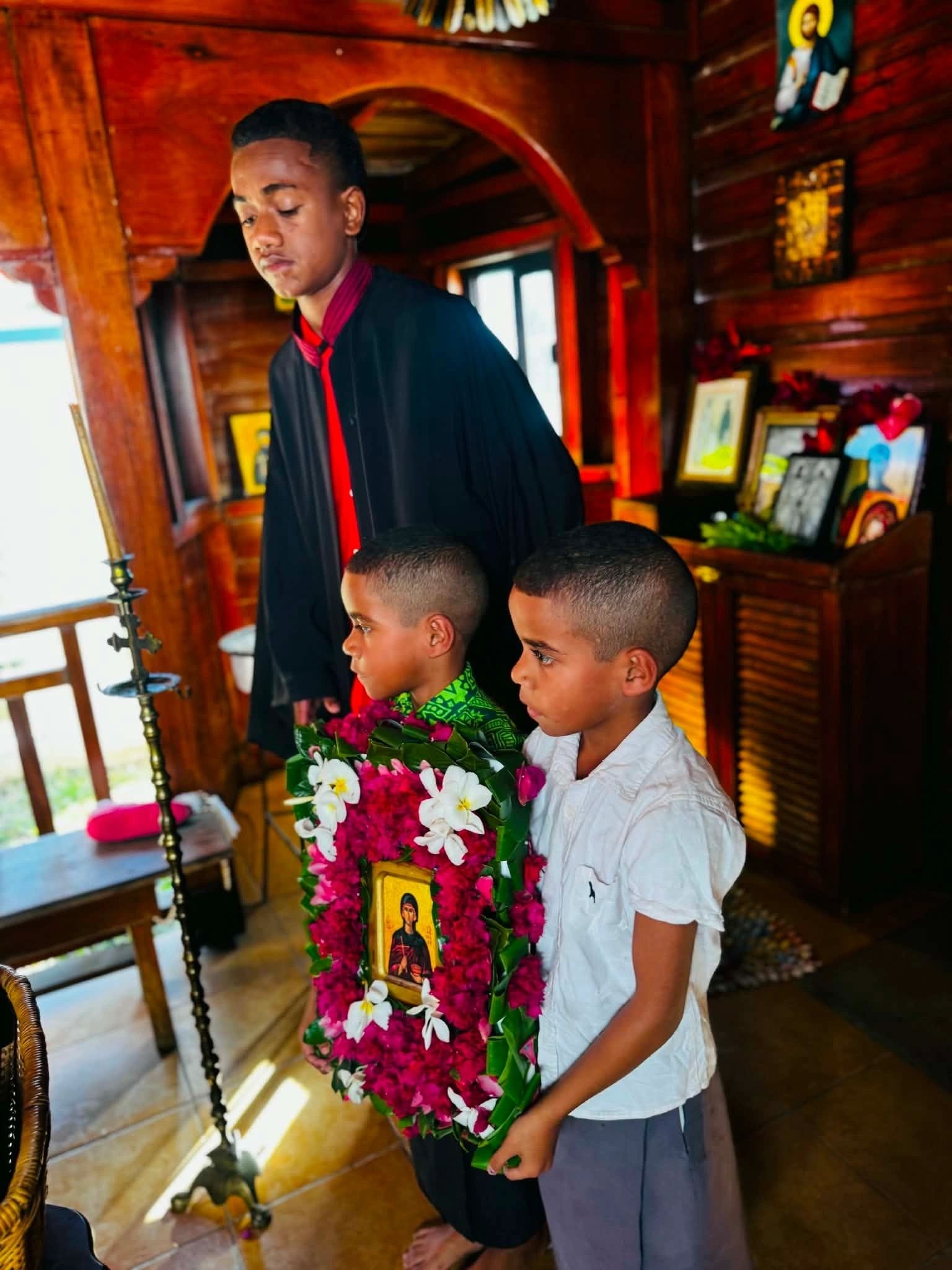
The feast of Saint Paraskevi, the Holy Virgin-Martyr, Great Martyr and Champion, was celebrated with ecclesiastical splendour and the participation of faithful from different parts of Fiji on Sunday, July 26, 2026, at the church dedicated to her in Sabeto, on the island of Viti Levu.
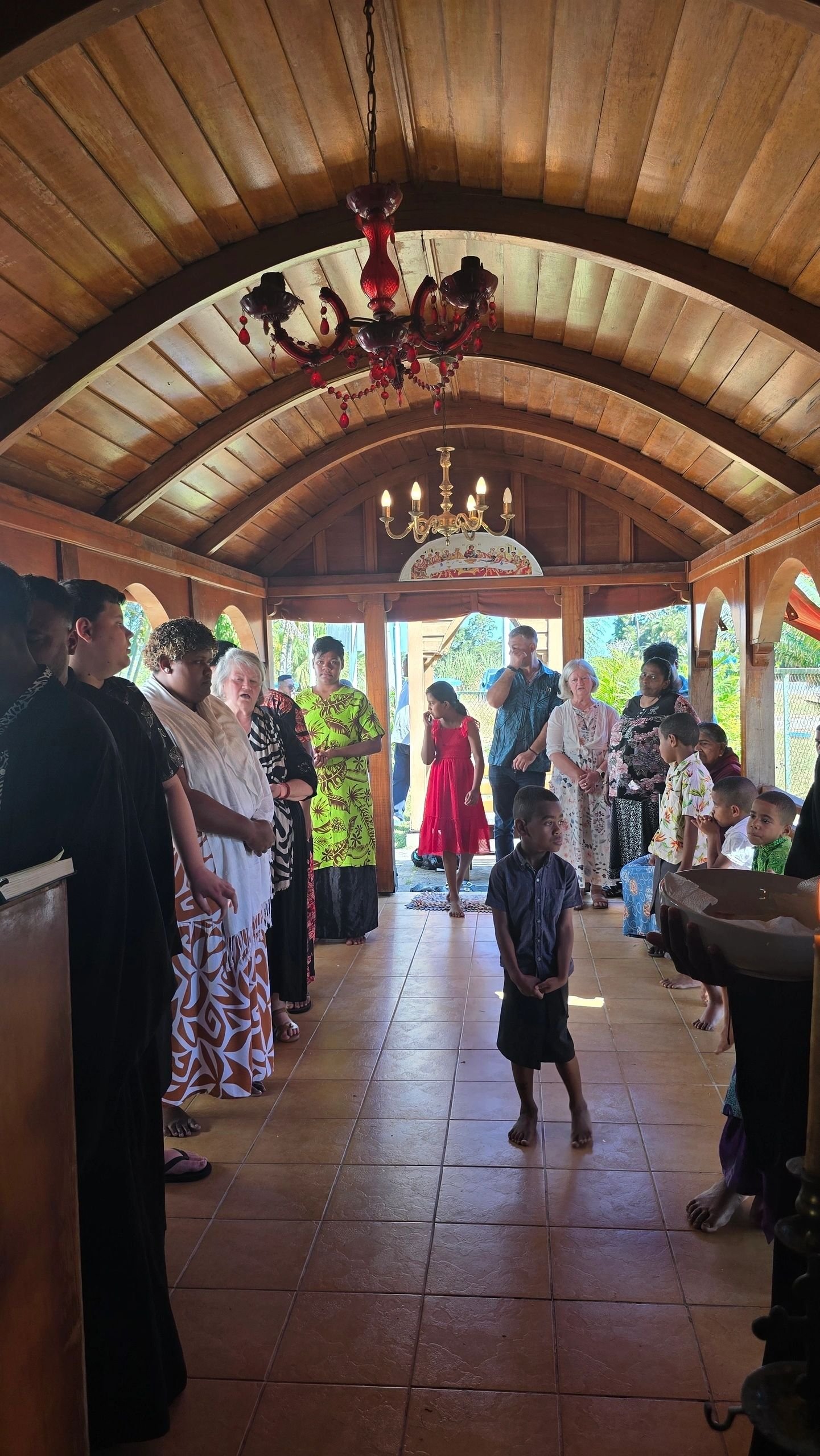
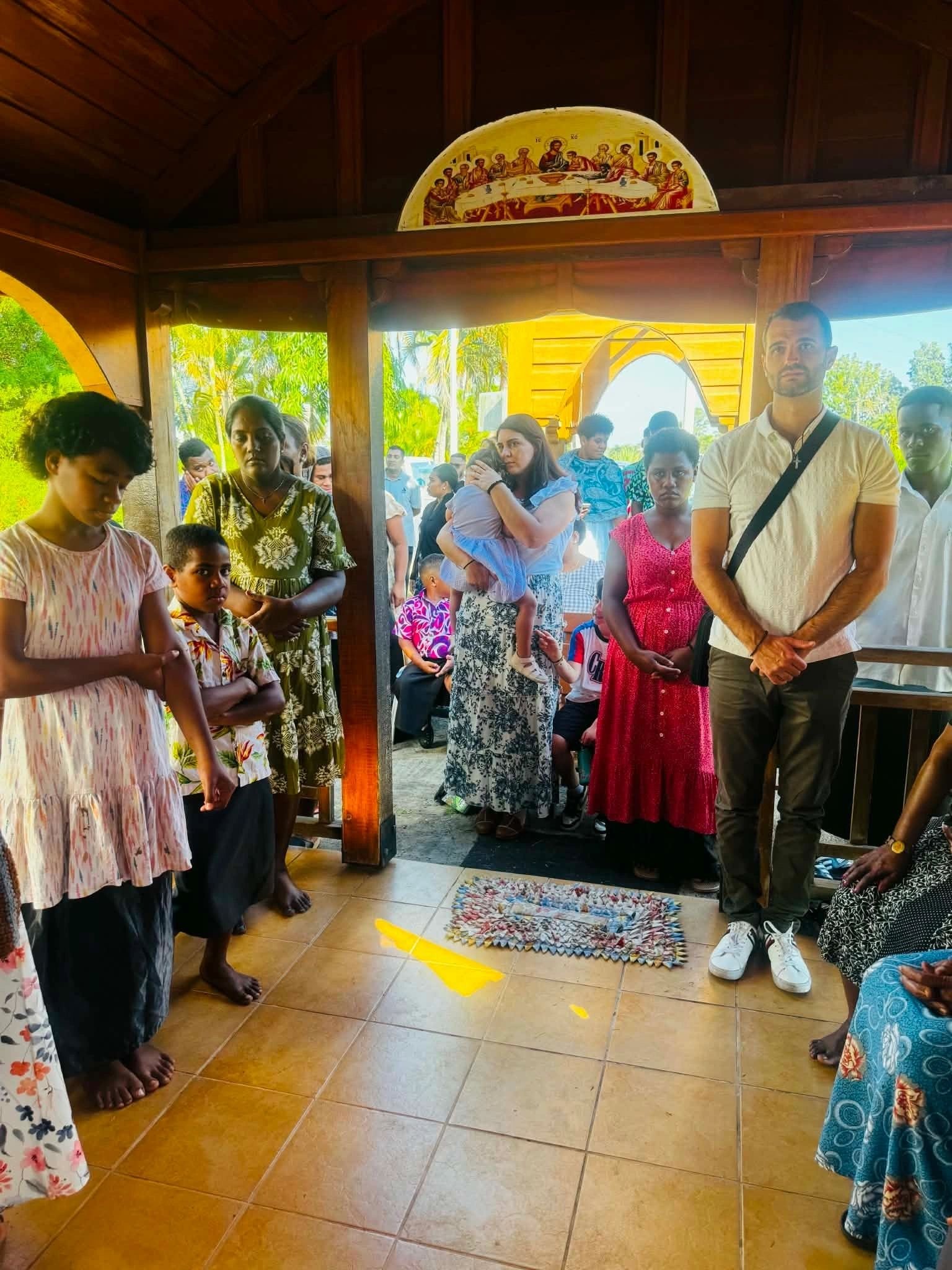
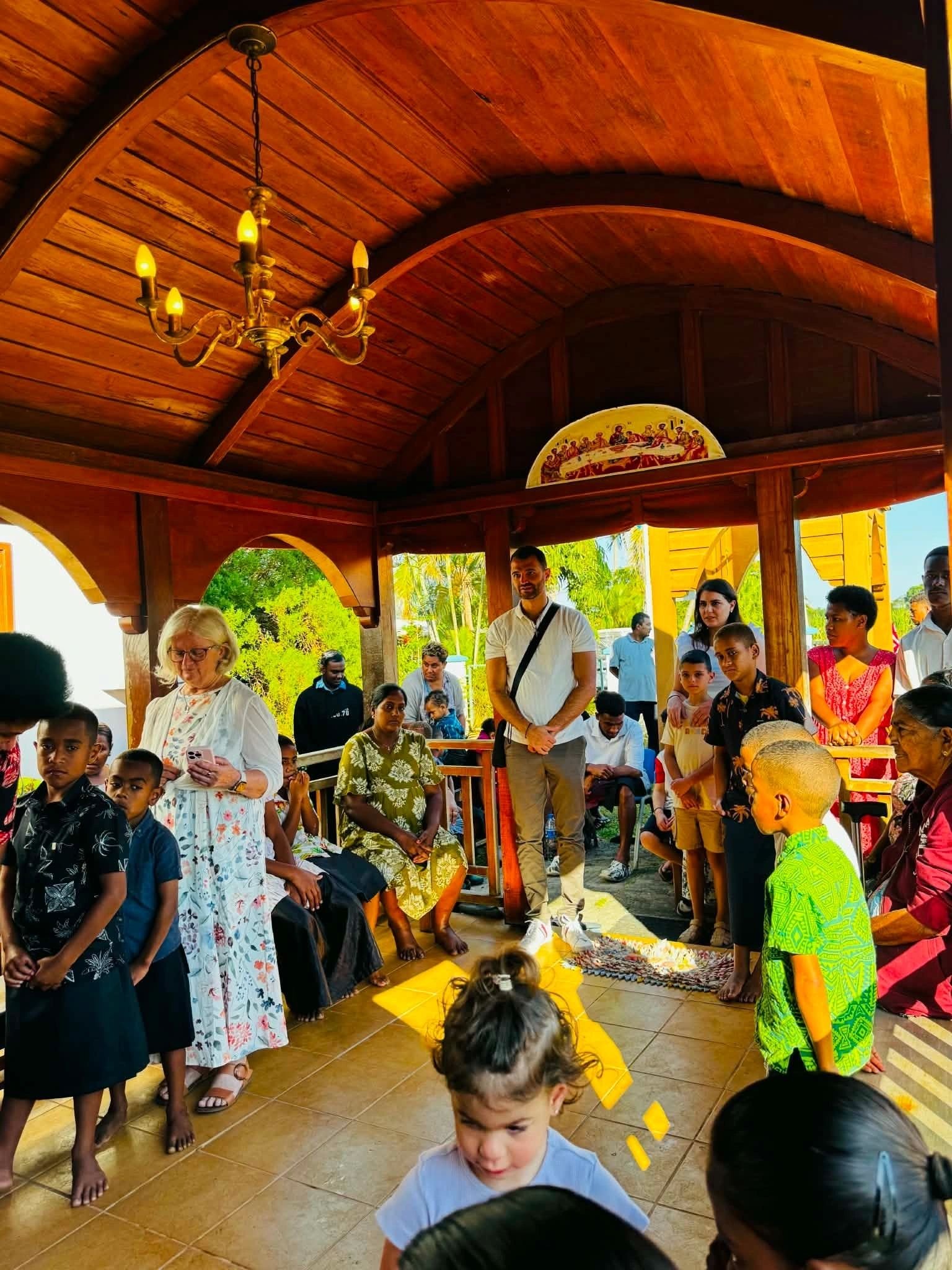
Parishioners from across the country attended the celebration, together with the children of the Saint Tabitha Orphanage in Saweni and two families from Australia who were visiting Fiji at the time.
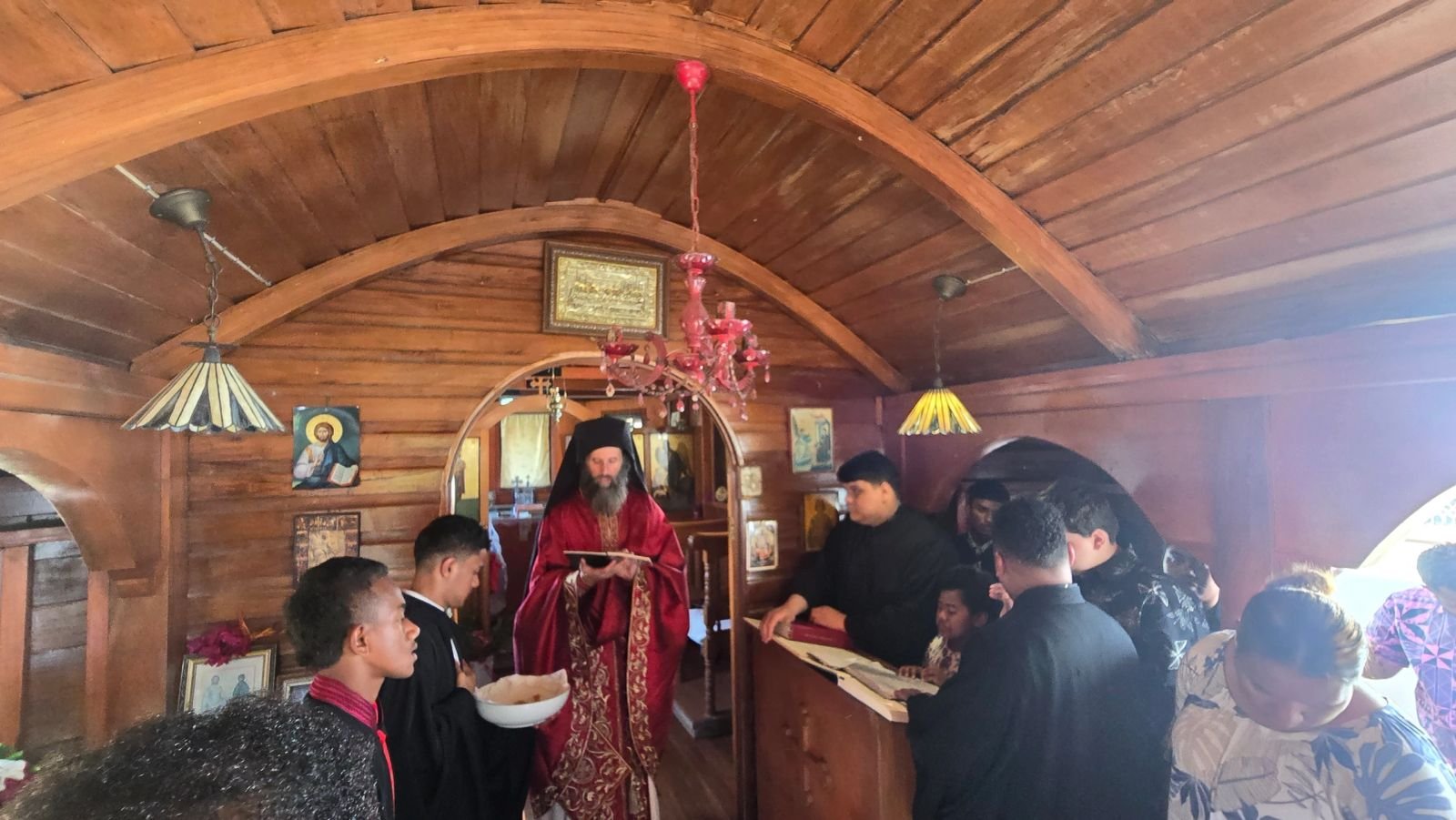
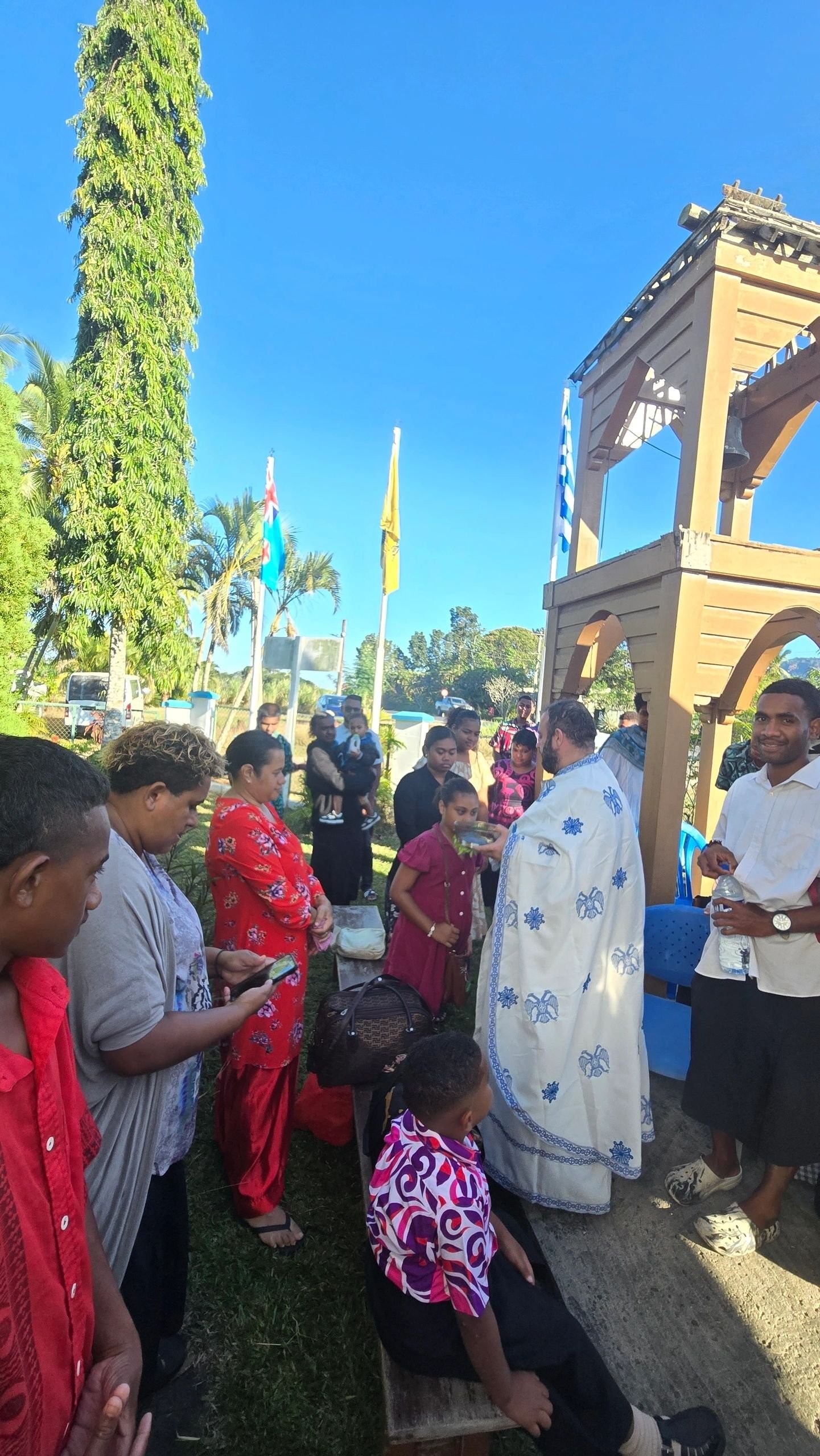
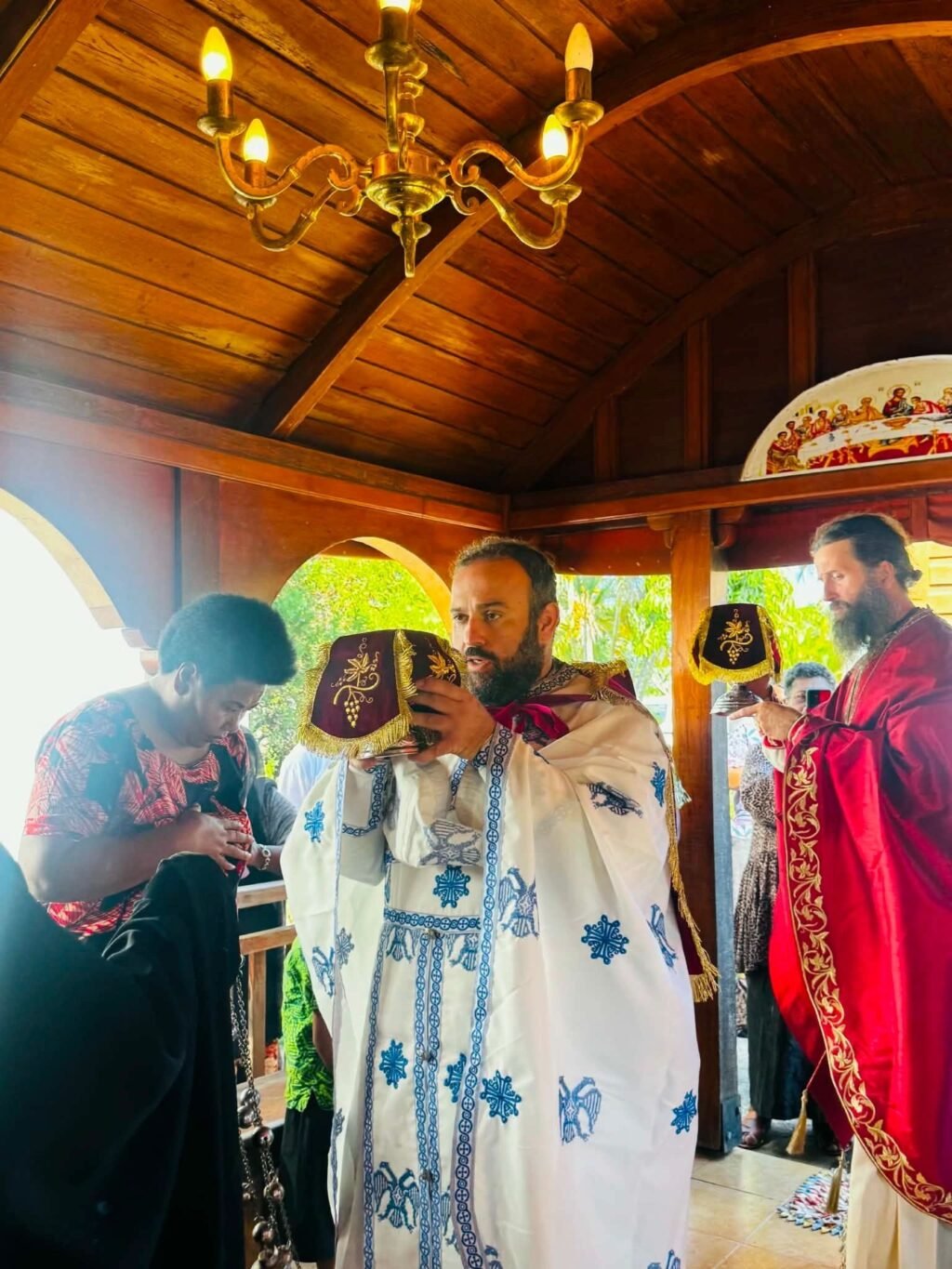
The Matins service, the Blessing of the Waters, the Artoklasia and the festal Divine Liturgy were presided over by Archimandrite Fr Meletios Pantits, Protosyncellus of the Holy Metropolis of New Zealand and priest responsible for the Orthodox Mission in the South Pacific.
Concelebrating with Fr Meletios was Fr Michael Psaromatis, parish priest of the Greek Orthodox Parish of Saint Demetrios in Salisbury, South Australia. Fr Timotheos Triantafyllou, parish priest of the Church of the Holy Trinity in Saweni, was also present in prayer.
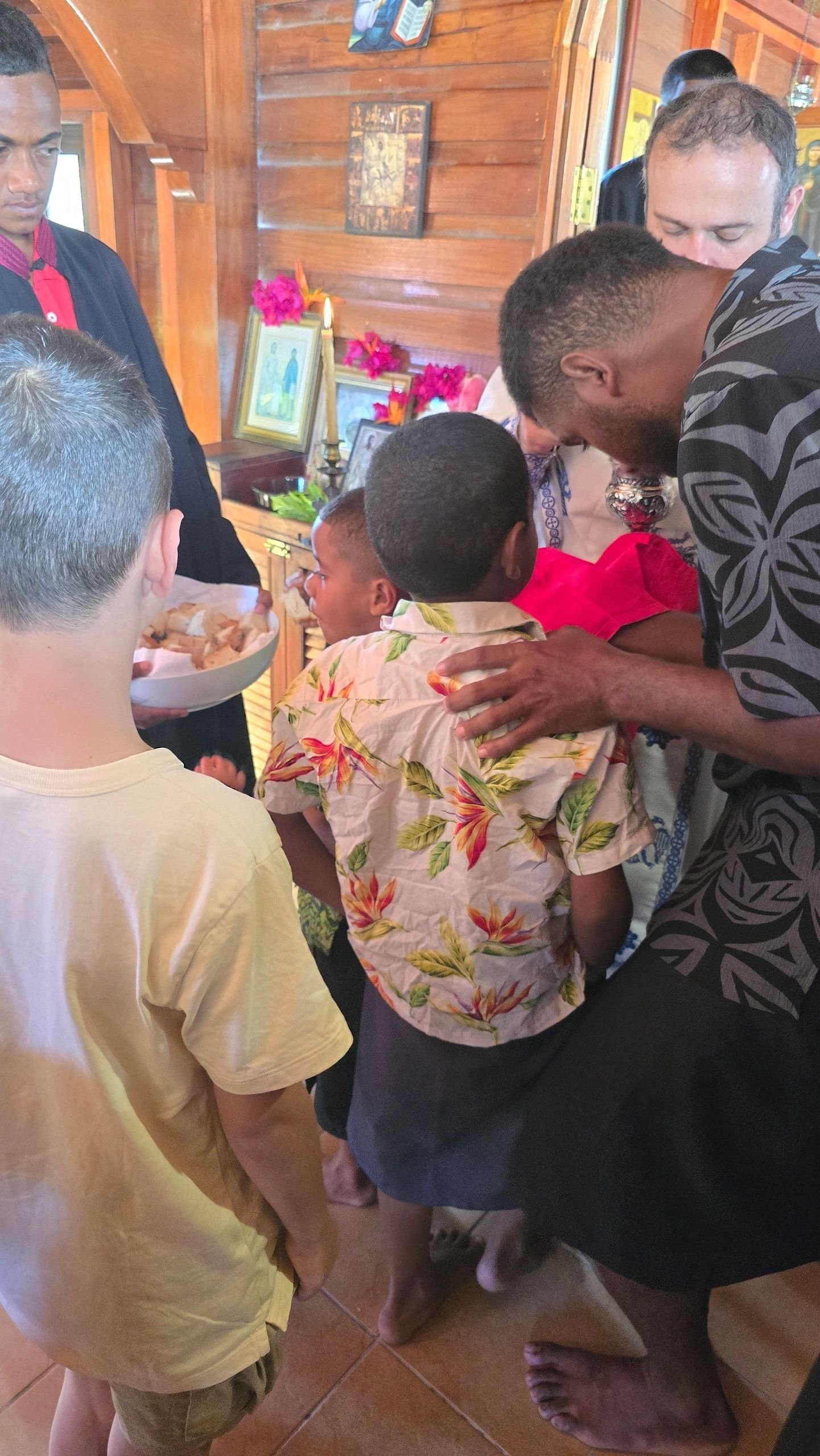
The faithful began gathering early at the church, which stands amid the lush tropical vegetation of Sabeto. During the Artoklasia, prayers were offered for the health and strengthening of the faithful, their families and all those who support the work of the Church throughout the Pacific islands.
The presence of the children from Saint Tabitha’s was particularly moving. They participated in the prayers and chanting, filling the historic church with their voices.
In his homily, Fr Meletios reflected on the Gospel reading of the day, which recounted the multiplication of the five loaves and two fish. He emphasised that Christ accepted the small offering, gave thanks to God, blessed it and multiplied it so that the entire multitude could be fed.
He connected the Gospel message with the life of Saint Paraskevi, who offered to Christ everything she had received from Him: her possessions, her gifts, her strength and, ultimately, her own life. As he stressed, genuine thanksgiving to God is not limited to words but is transformed into selfless giving and practical love for one’s neighbour.
The same message was expressed through the Artoklasia, during which the loaves were offered, blessed and then distributed among the faithful.
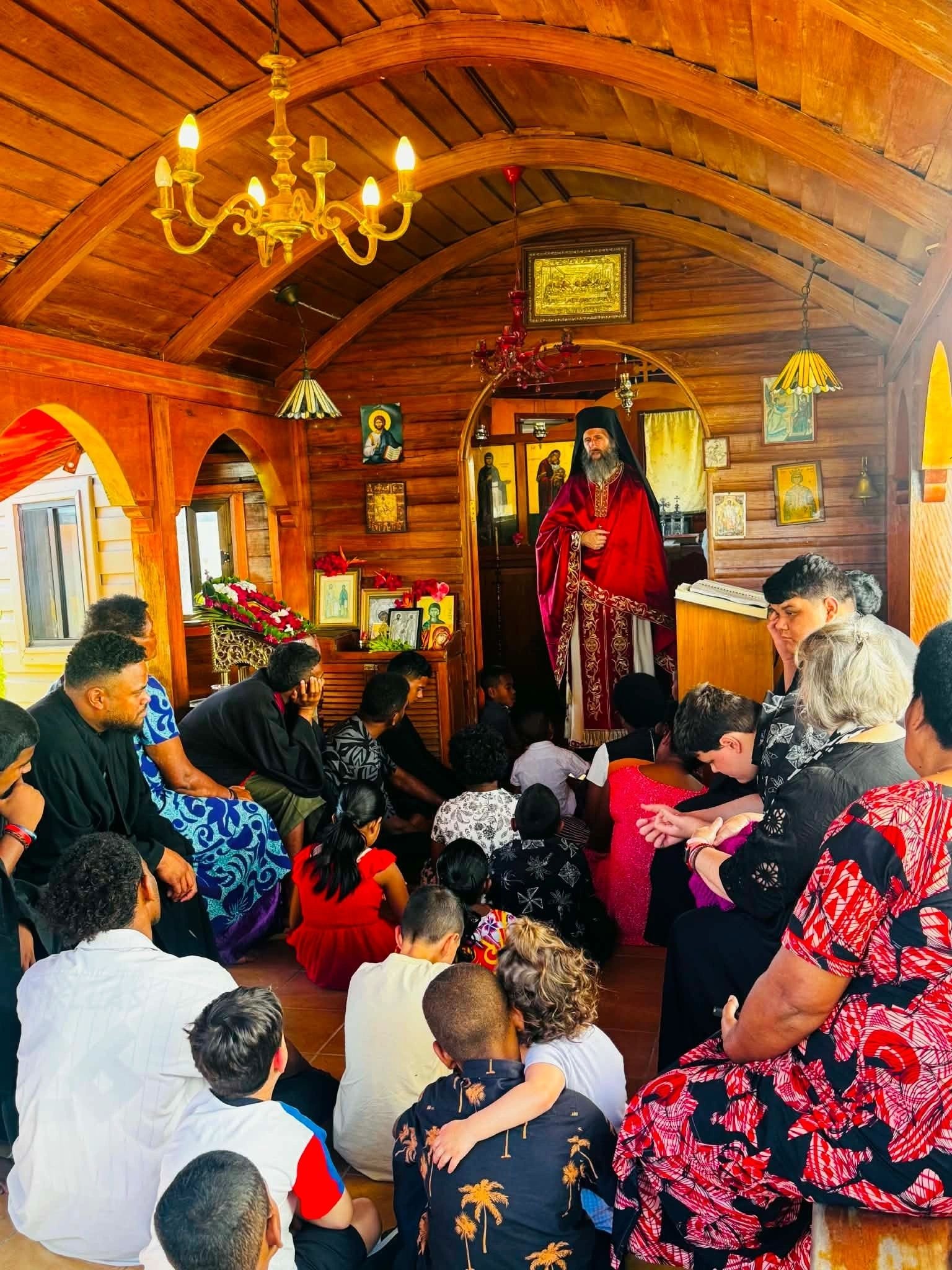
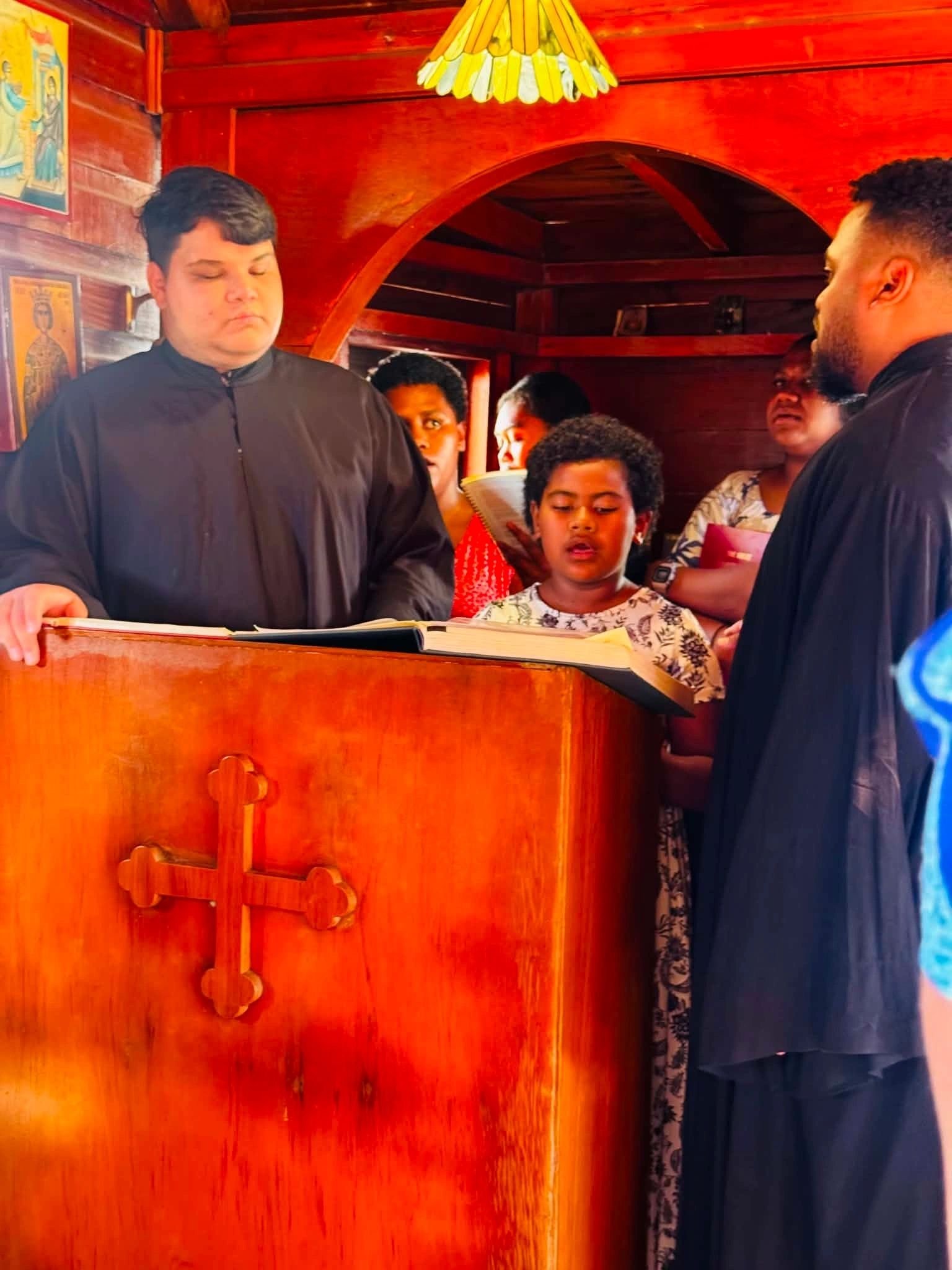
Fr Meletios also conveyed the paternal wishes and blessings of His Eminence Metropolitan Myron of New Zealand, whose pastoral jurisdiction also extends to the Pacific island nations of Fiji, Tonga and Samoa.
Saint Paraskevi was born in Rome to devout Christian parents and dedicated her entire life to Christ from an early age. Following the death of her parents, she distributed her inheritance among the poor and began preaching the Gospel. Despite the persecution and torture she endured, she remained steadfast in her confession of faith and ultimately sealed her witness through martyrdom.
The figure of Saint Paraskevi holds particular significance for the Orthodox Mission in Fiji. Her life unites the confession of faith with active love for humanity, prayer with service, and the preaching of the Gospel with care for the poor and those experiencing hardship.
The Church of Saint Paraskevi in Sabeto occupies a special place in the history of Orthodoxy in Fiji, as it was the first Orthodox church to be built in the country. From the earliest years of the mission, it became a place of Divine Liturgy, catechesis, prayer and encounter with the residents of the surrounding area.
The first people wishing to learn about the Orthodox faith, hear the Gospel and participate in the liturgical life of the Church began gathering around this church. Sabeto became one of the earliest permanent centres of the Orthodox presence in Fiji and was closely associated with the first steps in catechesis, Baptisms and the formation of what was then a small Orthodox community.
From those early years, the work of the Holy Metropolis of New Zealand gradually expanded to other parts of Fiji. This was followed by the growth of the Orthodox community in Labasa and the establishment of the Church of Saints Athanasios and Nicholas, and later by the foundation of the Holy Monastery of the Dormition of the Theotokos in Saweni.
During the same period, the Church of the Holy Trinity was constructed and the Saint Tabitha Orphanage was established, becoming one of the mission’s most important pastoral and charitable ministries. Today, liturgical life, catechesis and care for children and families continue to flourish around these institutions.
For this reason, the feast of Saint Paraskevi is more than the annual celebration of a church. It is a day of remembrance and thanksgiving for the first steps of the Orthodox Mission in the country, for the clergy and associates who served during its difficult early years, and for the faithful who continue to keep the Orthodox witness alive in Fiji today.
Following the Divine Liturgy, Fr Timotheos provided lunch for everyone in attendance. Clergy, families, young people and the children of Saint Tabitha’s gathered around the common table and continued the celebration in an atmosphere of joy, hospitality and fraternal fellowship.
This year’s celebration served as a reminder that Fiji’s first Orthodox church remains a living centre of faith and missionary service. In the place where the first Orthodox prayers and hymns began to be heard many years ago, the Church continues to gather people around the Holy Eucharist, through the intercessions of Saint Paraskevi, the Holy Virgin-Martyr, Great Martyr and Champion.