

By Eleftheria Tiliakou, No Filter
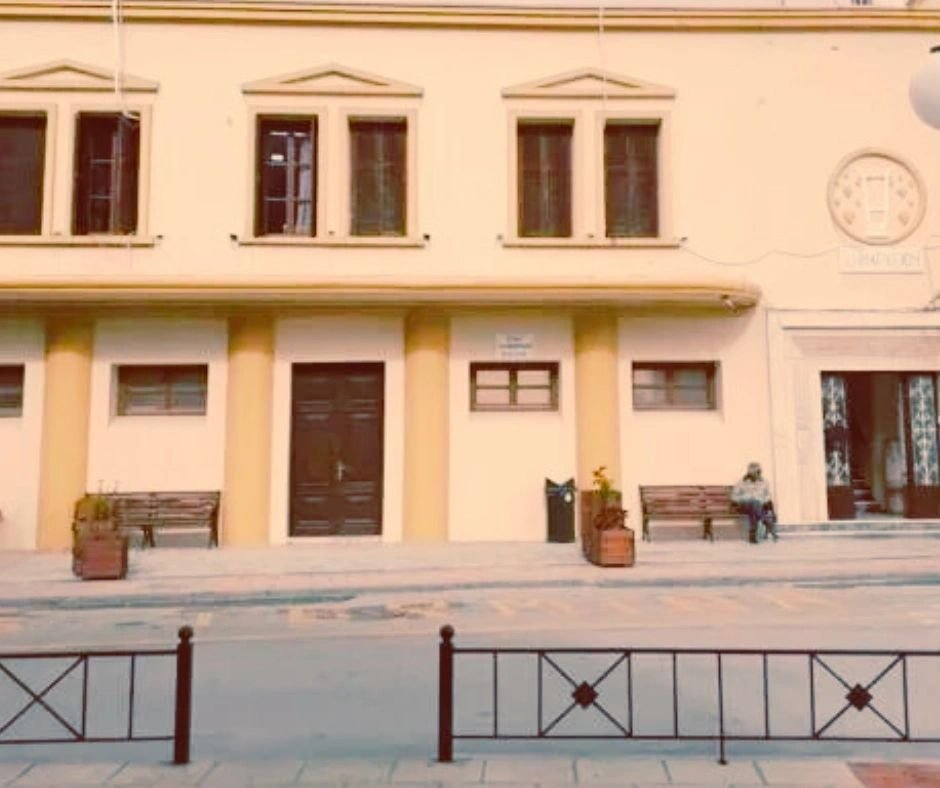
The Municipal Market is opening its doors again—an event that should feel like hearing a beloved old melody returning to the heart of the city. The citizens asked for it persistently, the municipal authority responded, and the iconic building comes back to life after years of silence. Yet the world it returns to bears little resemblance to the one it left behind.
The shopping landscape has changed profoundly. The age of the shop window has given way to the age of the “add to cart.” The resident who once stopped by “just to take a look” before deciding what to buy now compares prices across three continents with a single scroll. E-commerce—this quiet giant—has reshaped the habits of even the most traditional consumers. And now the Municipal Market is called to compete not only with major online retailers but also with the convenience that citizens became accustomed to during the years it remained closed.
At the same time, our own local challenges persist. For decades, producers and professionals on the island built informal, highly personalized networks of selling—almost ritualistic. Transactions happened directly, among stable groups of customers, relying on practices that worked precisely because everyone knew everyone. Such habits don’t easily migrate into a structured, institutional space like the Municipal Market. Every new beginning demands adaptation—and long-standing practices, no matter how deep their roots, often hesitate to move.
The goal, then, is not merely to reopen the Market. It is to restore the role it once had: to become a place of encounter, experiential shopping, and the discovery of new products; to cultivate a character that simply does not fit into a shipping box. In a world where everything seems digital, the Municipal Market has the potential to offer something no e-shop ever could: the feeling of the neighborhood, the closeness to the producer, the fragrance of fresh goods, the direct gaze of the person who makes what they sell.
To make this a reality, collaboration is essential. Producers need to see the Market not as a threat to their established habits but as an opportunity to broaden their audience. The municipality must create an environment that enables, rather than discourages. And the citizens—those who demanded its reopening for years—must offer the Market the time and support it needs to regain its footing.
The Municipal Market returns to a world transformed. This is not a disadvantage; it is a challenge. If it manages to blend tradition with contemporary needs, local identity with openness, it may not simply operate again—it may be reborn. And in this new landscape, we might rediscover that its true value was never just the products it housed, but the community it created.