
Plans discussed in Krapanj include a May 2027 meeting on Kalymnos and a beach clean-up in Masouri, with potential participation in the White Flag programme.
The shared sponge-diving heritage of Kalymnos and Krapanj, Croatia, took centre stage during meetings exploring further cooperation on marine protection and maritime culture. Plans discussed include a follow-up meeting on Kalymnos in May 2027 and a clean-up of Masouri beach.
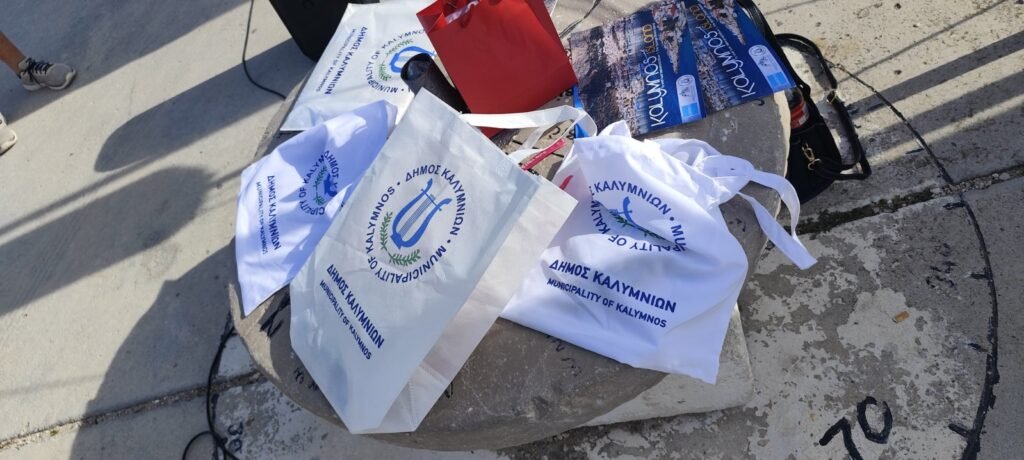
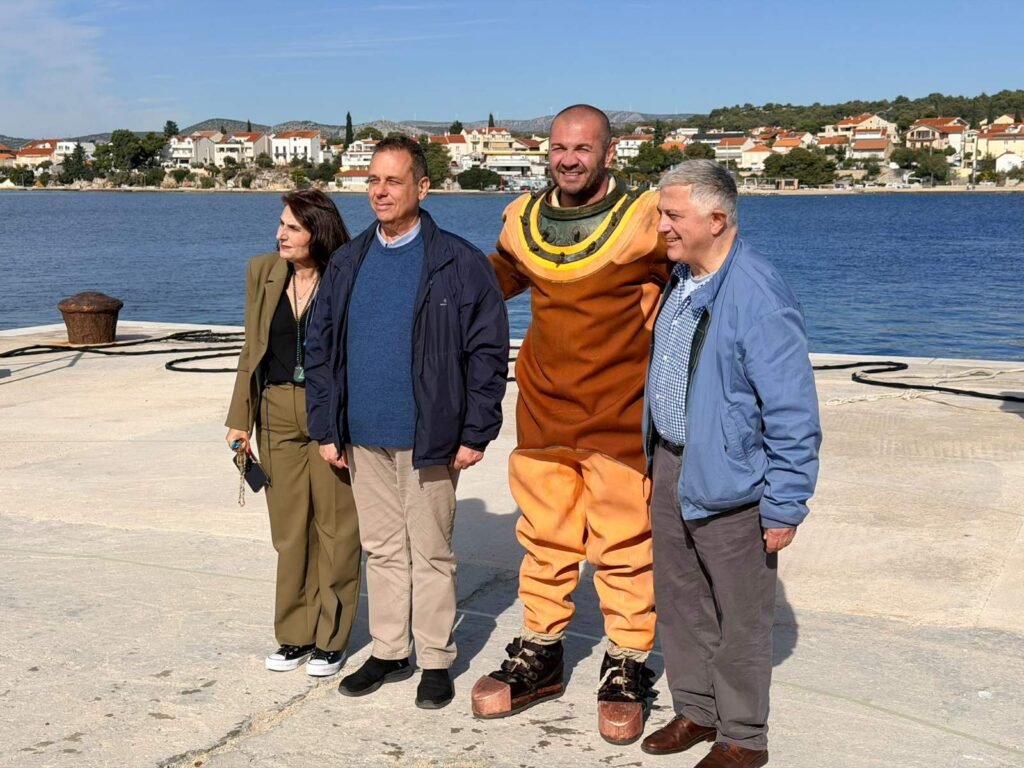
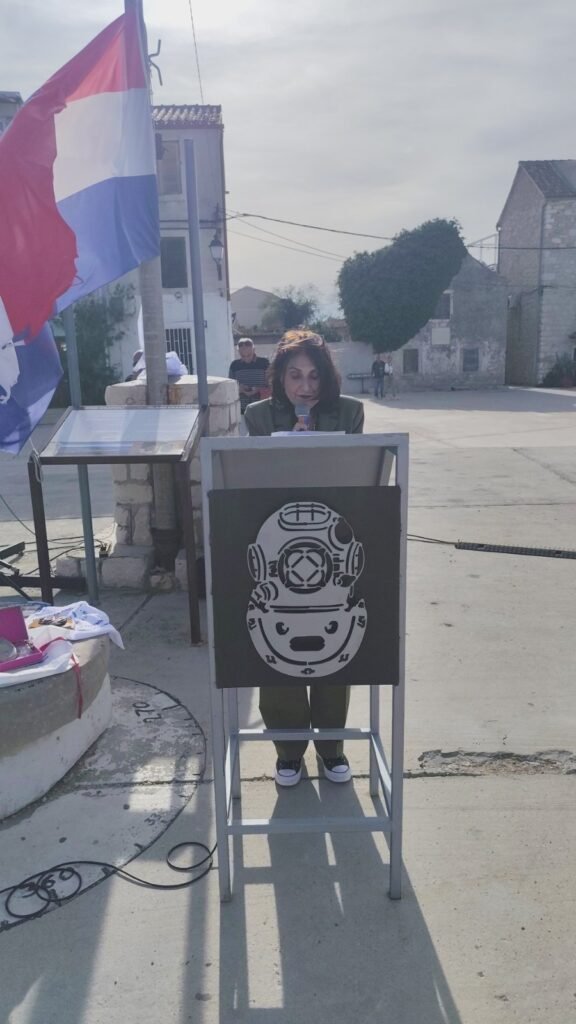
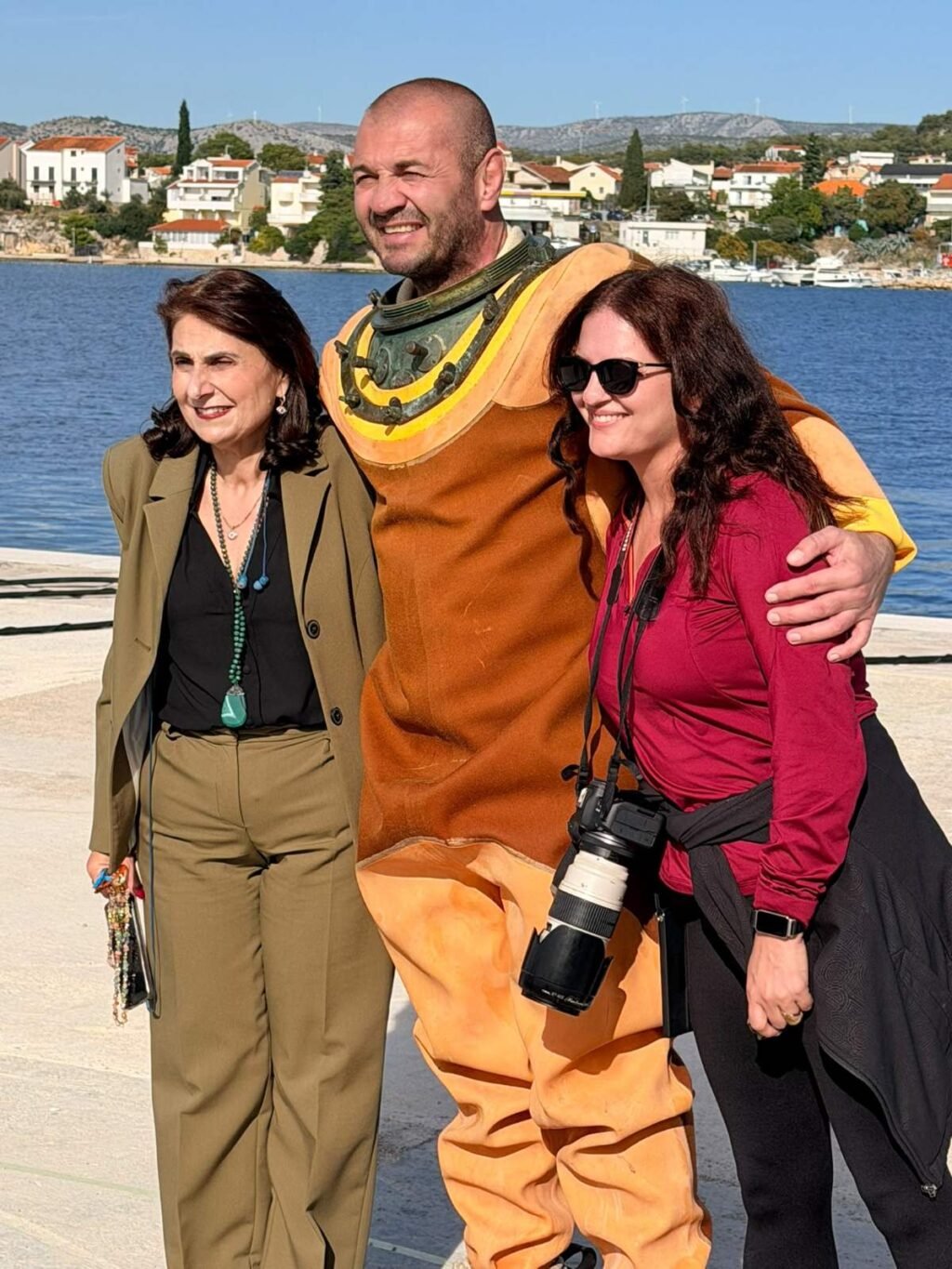
Kalliope Koutouzi–Vogelzang, Deputy Mayor for Tourism, Culture, Diaspora Affairs and Public Relations, represented the Municipality of Kalymnos and Mayor Ioannis Mastrokoukos at the events in Croatia.
According to the municipality’s announcement, the relationship between the two islands is rooted in generations of sponge fishing and diving. Kalymnian divers once harvested sponges in the surrounding waters and brought them back to Kalymnos. Commercial ties remain active today, with Kalymnian traders continuing to visit the Croatian island.
Krapanj is home to the base of Ocean Alliance Conservation, an organisation involved in protecting aquatic ecosystems and removing rubbish and plastic from the seabed. Discussions also focused on its White Flag programme, which is associated with initiatives to clean and protect waters.
A highlight of the events was an underwater endurance attempt by Croatian diver Kristijan Curavić. According to the municipal announcement, he remained submerged for three hours and fifteen minutes, using traditional diving equipment while collecting rubbish from the seabed. The dive was part of an attempt to secure a Guinness World Record; official recognition is still pending.
During the meetings, participants expressed their intention to continue the cooperation on Kalymnos. The proposed Masouri beach clean-up would highlight the area’s environmental value, with a view to its potential inclusion in the White Flag programme.
For the Municipality of Kalymnos, the partnership brings together the preservation of sponge-diving history, marine conservation and the development of alternative forms of tourism, giving the islands’ longstanding maritime ties a new purpose.