

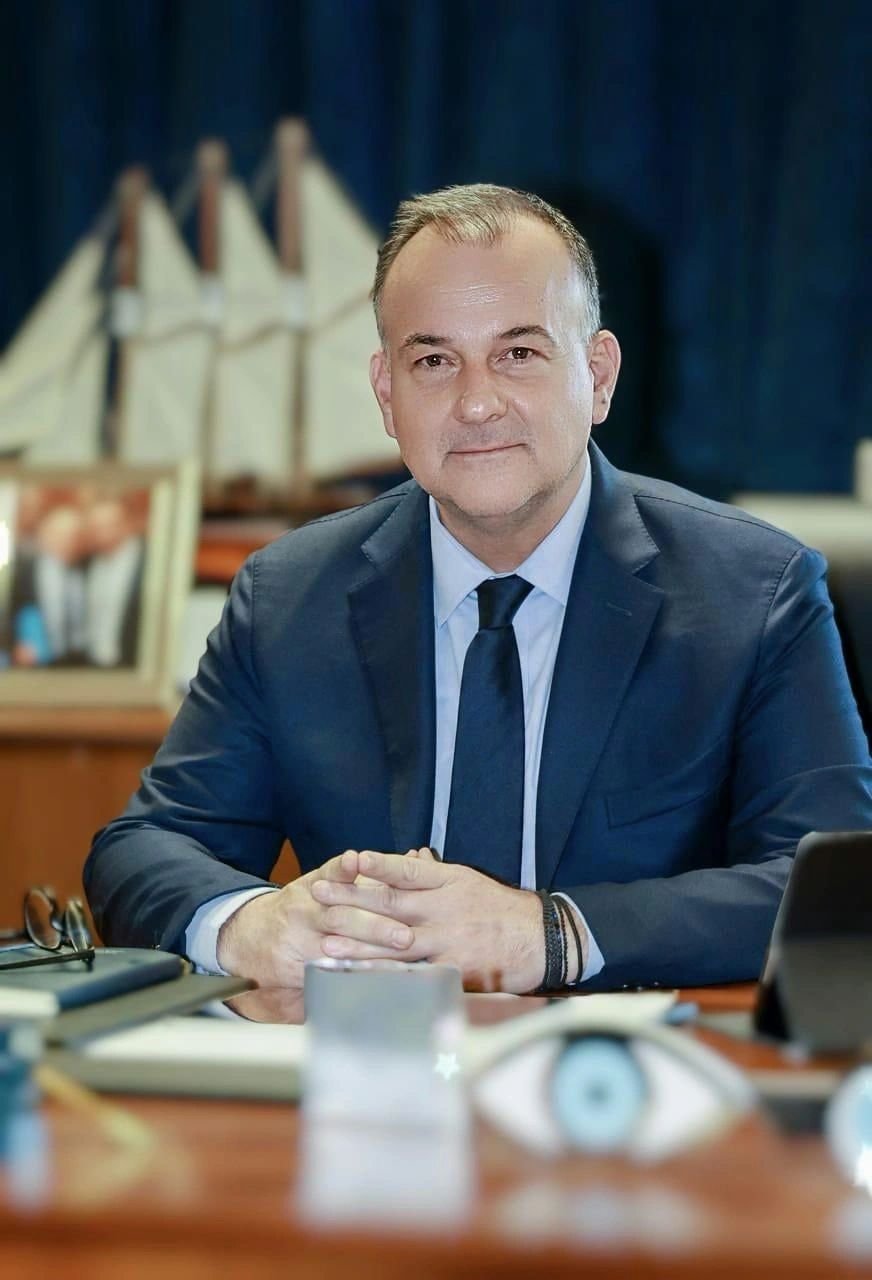
rticle published in the Sunday edition of Apogevmatini
Ioannis Pappas
Member of Parliament for the Dodecanese
New Democracy Party
Foreign policy is not a field for impressions. It cannot tolerate easy slogans, theatrics, impulsive outbursts, or momentary patriotism. It requires restraint, consistency, strategic planning, an understanding of geopolitical realities, and the ability to translate national positions into institutional outcomes. Above all, it demands seriousness. In matters of national interest, the real question is not who speaks the loudest, but who delivers results for the country.
This was clearly demonstrated during the NATO Summit. Greece arrived with a clear strategy, a well-defined position, solid arguments, and confidence. Most importantly, it demonstrated the seriousness expected of a country that knows what it seeks, where it seeks it, and how to secure it. Greece’s presence was neither defensive nor hesitant.
So, let us be a little more serious. Defending national interests is not accomplished through loud voices on television panels. It is achieved in councils, summits, regulations, agreements, defense procurement programs, alliances, and difficult negotiations.
Prime Minister Kyriakos Mitsotakis once again raised the issue of Turkey’s casus belli. He brought it before NATO’s highest decision-making level—and rightly so. It is inconceivable that, thirty years later, one NATO member state continues to maintain a threat of war against another member state. Likewise, Europe cannot pursue defense cooperation with a third country while that country continues to uphold an active threat. Europe’s security cannot be built on contradictions.
Greece’s position is straightforward and strong. As long as Turkey maintains the casus belli, there can be no basis for its participation in a European defense framework such as SAFE. Greece does not act out of fear. It does not reject dialogue, nor does it seek confrontation. The inclusion in the SAFE Regulation of the requirement for a bilateral agreement between the European Union and any third country represents a substantial diplomatic achievement. It is far more than a technical detail, as it secures the possibility of exercising a veto.
This is what patriotic policy looks like: building deterrence, strengthening alliances, making full use of Greece’s role within the European Union, and transforming national positions from political rhetoric into institutional provisions. Saying less while achieving more.
Greece does not need displays of pseudo-patriotic fervor. It needs a consistent national strategy, seriousness, and a policy that is prepared to stand firm when necessary while also knowing how to secure victories without unnecessary noise. In foreign policy, strength is not measured by the intensity of declarations, but by the impact of decisions.
Today, Greece is moving forward with a clear plan. It is safeguarding its national rights and raising critical issues where decisions are actually made.