
Nikitiadis to Theodorikakos: Unanswered Questions on Price Gouging Fines and Legislative Failures of the ND Government
New Parliamentary Question Submitted to the Minister of Development
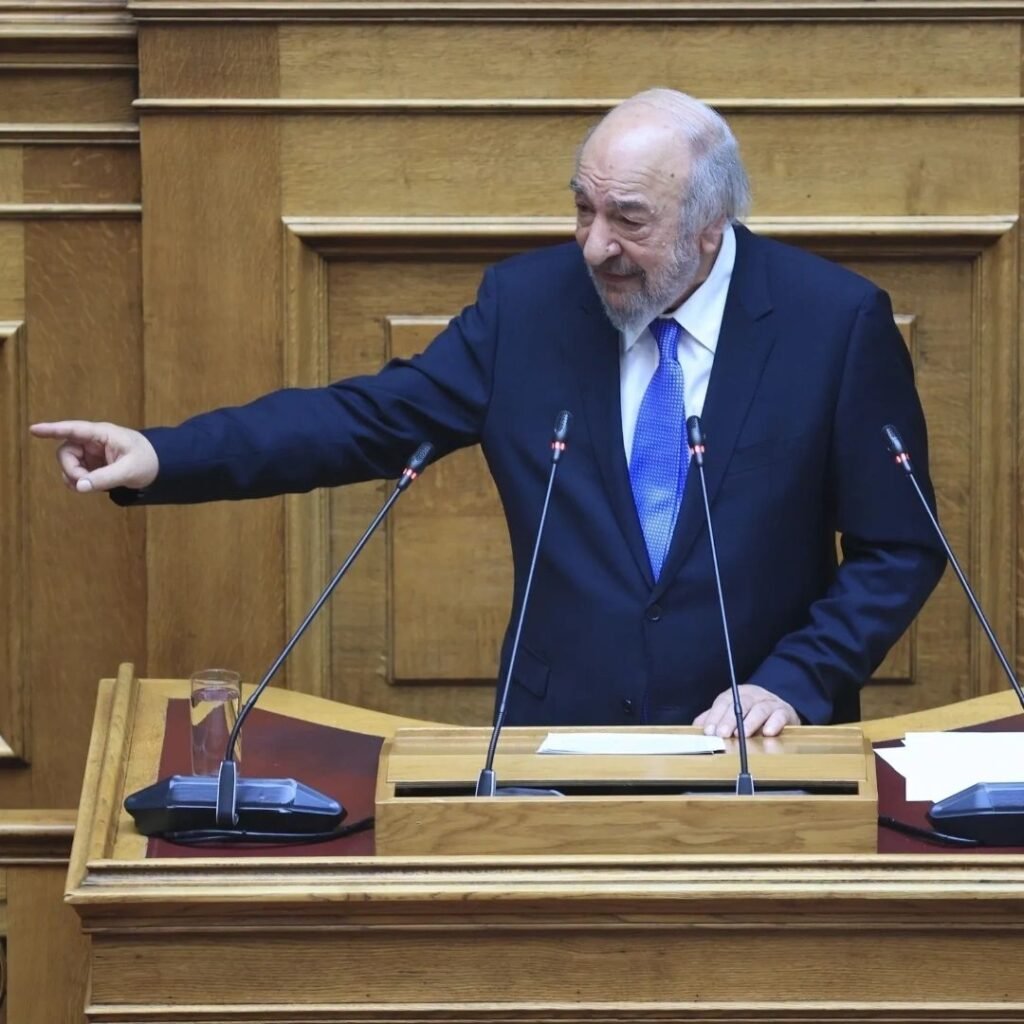
PASOK MP for the Dodecanese and Development Sector Coordinator, Giorgos Nikitiadis, has submitted a new question to Minister of Development Mr. Takis Theodorikakos, highlighting persistent legislative shortcomings in New Democracy’s laws aimed at curbing excessive profiteering. These gaps have left legal “loopholes” that enabled the annulment of fines by the judiciary.
The new question was deemed necessary following the Ministry’s failure to respond—within or beyond the timeframe mandated by parliamentary regulations—to Nikitiadis’ previous question submitted in November 2024, despite ongoing inflation seriously affecting Greek households.
According to the latest submission, Law 4818/2021, intended to combat profiteering in essential goods and services—such as food, housing, transport, and safety—was severely lacking in specificity. For a long period, it failed to clearly define the categories of goods subject to profit margin restrictions.
As a result, the Administrative Court of Thessaloniki deemed the relevant provision vague and annulled fines issued under its framework due to the lack of clearly designated protected products. Ministerial Decision 27585/2022, which was supposed to clarify the law and correct these flaws, failed to include many basic goods meant to fall within the regulatory scope.
An attempt to fix this ambiguity came only in March 2023, two years later, with a new Ministerial Decision. However, that decision also failed to fully specify protected products related to consumer health and safety—leaving room for continued profiteering.
Mr. Nikitiadis emphasizes that even with the introduction of Law 5045/2023—intended to expand protections to items like school supplies, heating, and hot water products—the definitions remained narrow, and the regulatory framework incomplete. “The government claims to fight profiteering, yet its legislative approach raises serious concerns about the intent and effectiveness of its measures,” he notes.
Nikitiadis asks Minister Theodorikakos the following:
- Has this regulation had any measurable results? What percentage drop in prices has been recorded where fines were imposed?
- Why was there a delay in specifying the essential goods, resulting in a law open to violations and unpunished profiteering?
- Could the inability to define the list of essential goods stem from the fact that the legal foundation of the regulation contradicts competition law? What is the Competition Commission’s stance on the regulation’s effectiveness?
- What is the total value of fines imposed under these regulations from the enactment of Law 4818/2021 until the 2023 Ministerial Decision that clarified the applicable goods?
- What has happened to the fines issued between the two Ministerial Decisions? How much has been collected, how much remains outstanding, and what actions have been taken to recover them?
- Why have essential goods related to health and safety not been clearly defined to this day?
- What legal measures will be taken to ensure the validity and enforceability of future fines, particularly from a legal standpoint, to avoid potential court annulments?
- How will the government respond to court decisions and previously imposed fines under this legislation? Is there a plan for the Greek State to pursue appropriate legal actions against such rulings—both current and future?