
Where Christ Steps Ashore:
The Gospel of Belonging in the Islands of Fiji
By Fr. Michael Psarommatēs
The small open boat climbed a wave and plunged into its hollow with a shudder. The island had disappeared from view; around them stretched grey sky and restless sea. Between clenched teeth rose the quiet prayer of Jesus: “Lord Jesus Christ, have mercy on me.” The larger vessel that had carried the missionaries from island to island was now far behind. In its place was this small skiff, rising and falling among the swells as if suspended between sky and water.
The wind tugged at clothing and hair. Salt burned the eyes. Each dive of the bow sent a rush of water across the deck. Then the boat would rise again, as though lifted by an unseen hand. In moments like these, human certainty felt small, while the cry of the heart opened wide. The bishop prayed aloud, entrusting the journey to Christ and the Mother of God. The Fijian crew made the sign of the Cross with the quiet confidence of people who understand the ways of the sea. The storm went on, and through the grey a dark line slowly appeared: land.
As the boat drew closer, shapes resolved into trees and shoreline. When they finally stepped onto the sand, the village welcomed them with songs, garlands, and open embraces. Children ran to meet them. The voyage through dangerous waters and the warmth of the reception revealed a truth: human life moves within forces greater than our own and is held by a love deeper than fear.
The modern world moves much like ocean waves. It offers abundance, stimulation, and endless activity, and yet many hearts carry a quiet exhaustion. In pastoral life this appears when people speak of scattered prayer, restless nights, and burdens multiplying faster than the soul can bear. Some describe having everything they once wanted yet feeling an inner emptiness that leaves them unsettled. Stretch the heart beyond its limits and it cannot hold everything; it begins to overflow, but not with grace.

Christ speaks directly into this hidden fatigue when He blesses the poor in spirit:
“Blessed are the poor in spirit, for theirs is the Kingdom of heaven” (Matt. 5:3).
This poverty is an inner spaciousness—the awareness that the heart blossoms when it receives rather than grasps, when it remains open rather than overloaded. The Fathers liken the heart to a vessel shaped to carry divine life. St. Isaac the Syrian teaches that grace dwells in the heart when a person loosens their reliance on their own strength and rests in God. St. Basil the Great teaches that desire for holiness increases when the heart is freed from unnecessary attachments. And Christ Himself calls: “Come to Me, all who labour and are heavy laden, and I will give you rest” (Matt. 11:28). He fills the space humility opens.
Zacchaeus embodies this freedom. He climbs the sycamore tree to see without drawing near (cf. Luke 19:1–10). Christ calls him down:
“Zacchaeus, hurry and come down; for today I must stay at your house.”
That descent becomes his salvation. Zacchaeus comes down from the tree, opens his home, and the Lord enters. The beatitude of the poor in spirit becomes tangible reality. The Kingdom approaches the one who descends from his own sycamore.
The Mother of God herself teaches this readiness. Her words—“Let it be to me according to your word” (Luke 1:38)—reveal the posture of an open heart. She offers no strategy, only availability. Her humanity becomes the vessel through which God enters the world. When the missionaries prayed in that small boat, they turned toward her, as Christians have for centuries, asking for strength born of trust. Wherever Orthodox mission is alive, her quiet “let it be” is echoed in the lives of simple people who open their homes, their time, and their wounds to Christ.
Christ reveals the same truth in other Gospel scenes. The land of a rich man yields abundantly (cf. Luke 12:16–21). He enlarges his barns but neglects the life of his soul. His days overflow with accumulation, yet the deeper chambers of his heart remain untouched by grace. Many societies mirror this pattern: life brims with activity but starves for inner stillness. Until the divine word is heard:
“Fool! This night your soul is required of you.”
The rich man shows how intoxication with material gain deprives the soul of grace.
Another scene, the paralytic of Capernaum (cf. Mark 2:1–12), reveals the same inner condition in a different way. He descends through the roof with the help of friends. His healing begins with surrender. Christ first speaks forgiveness: “Child, your sins are forgiven.” The Fathers teach that forgiveness straightens the soul where sin has bent it. The hole in the roof becomes an opening to grace. St. Gregory Palamas explains that God sometimes allows upheaval so that hidden wounds can be reached by divine healing. The paralytic shows what happens when the heart ceases to lift itself by its own strength and instead looks to Christ to raise it.
These Scriptures reflect the experience of many today. People climb invisible ladders seeking stability, only to feel more divided the higher they go. Time becomes something to guard rather than share. Life feels like a performance rather than a gift. St. Paul speaks of a world pressing its shape onto the mind and urges: “Do not be conformed to this world, but be transformed by the renewing of your mind” (Rom. 12:2). In the Pacific Islands, this invitation to resist conformity and embrace transformation takes a concrete form.
Orthodox Life and Mission in the Pacific
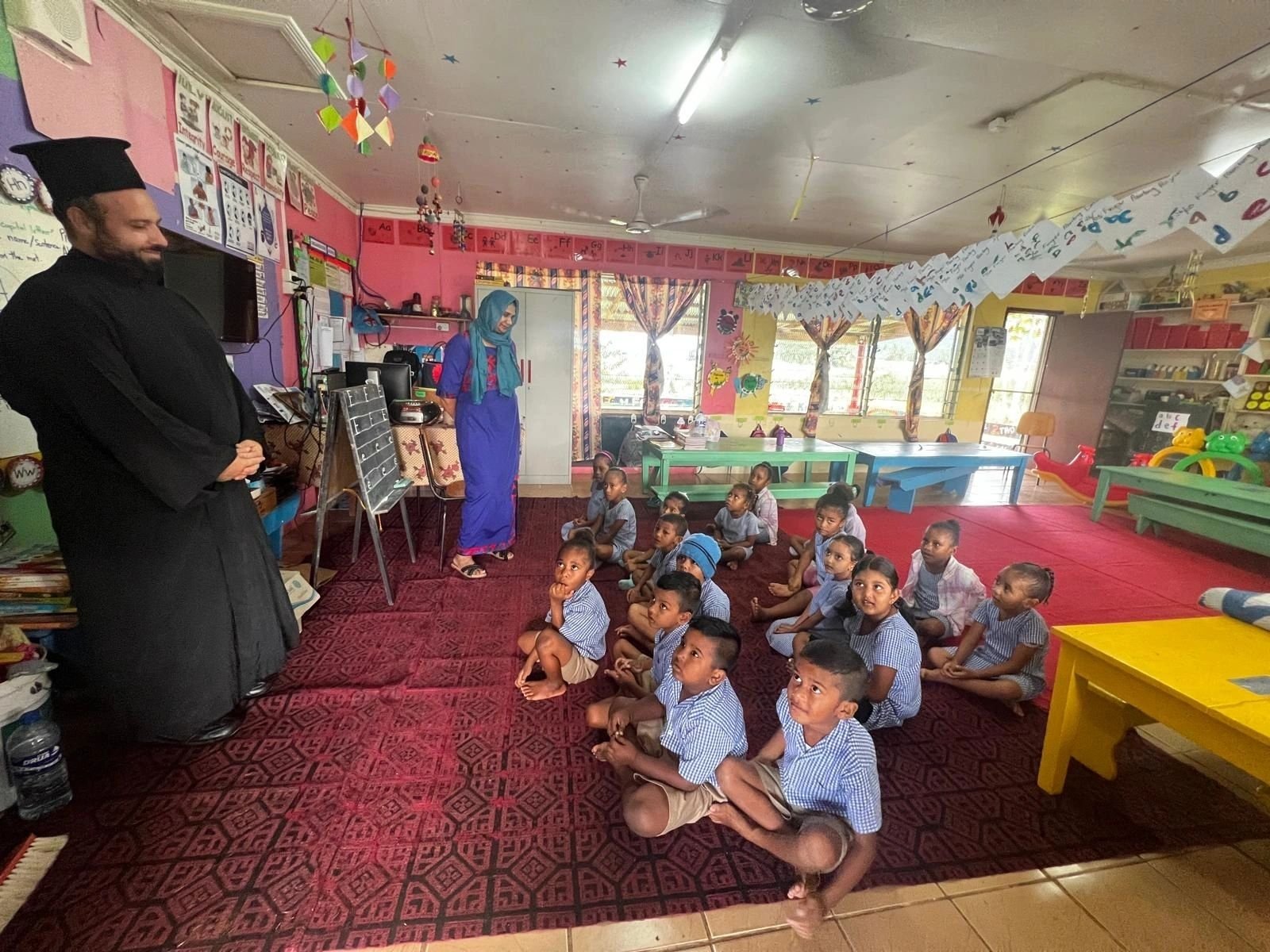
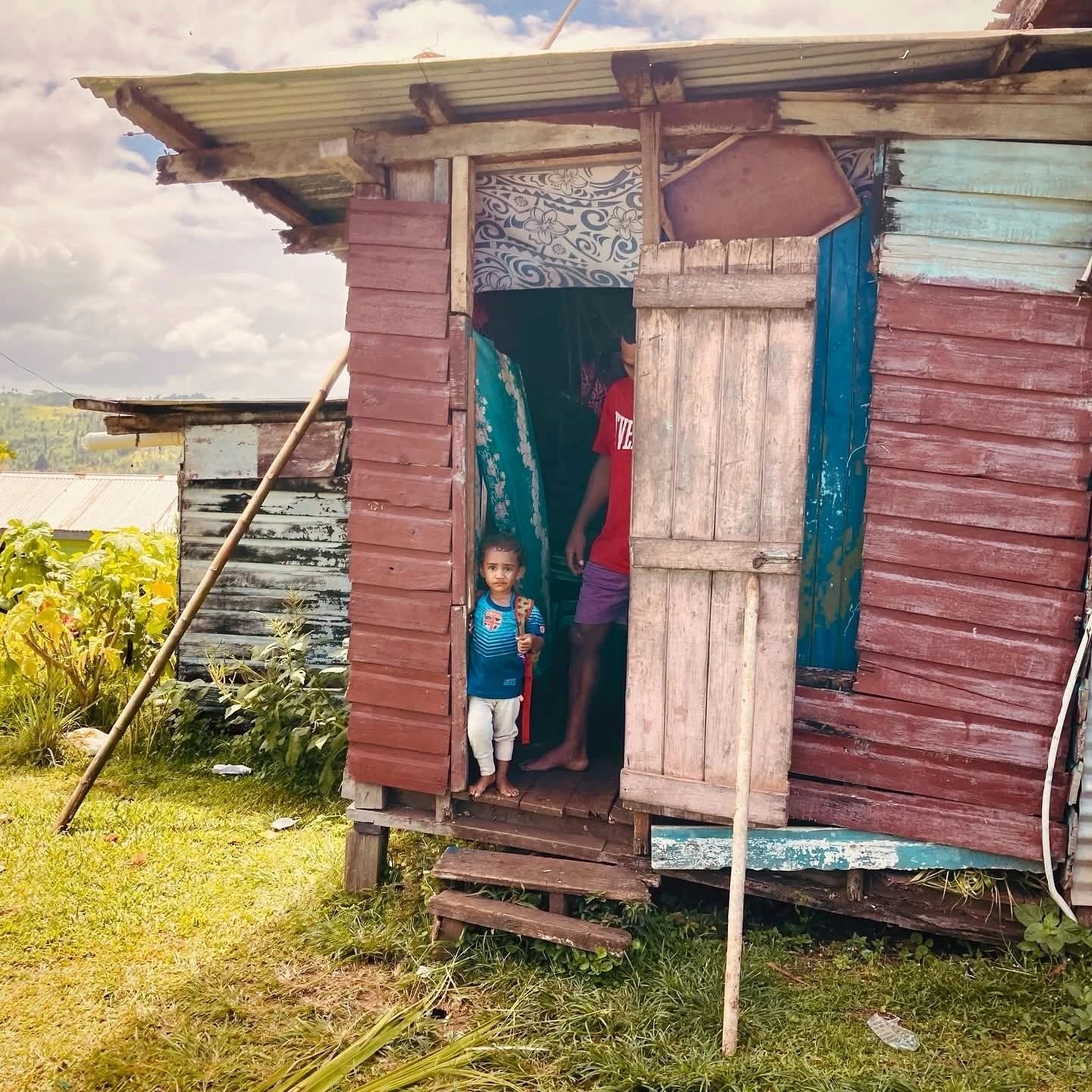
Within this setting, Orthodox mission in Fiji reveals a different rhythm. Life unfolds in the villages with simplicity and depth. Homes are modest, yet hearts open. Visitors are welcomed with gratitude rooted in relationship, not abundance. Time is shared rather than guarded. Identity arises from belonging. Personhood grows in communion.
Here, the Fijian concept of vanua—the unity of people, land, and story—echoes the Christian understanding of the Church. One discovers who one is through relationships that culminate in belonging to Christ and His Body. “You are the Body of Christ, and individually members of it” (1 Cor. 12:27). Belonging becomes the atmosphere of life.
An early experience of the mission reveals this with striking clarity. The storm in the small boat, the whispered prayers, the trust in the Mother of God, and then the welcome on the shore of Sofronia’s village—all showed that life is held within a communion greater than our plans. The journey required risk, labour, and trust. The final stretch was not by large boat but by that humble skiff wrestling waves and wind. The missionaries saw how fragile their efforts were. Yet when they arrived, the village was ready, their songs already rising. It was as if the Gospel had reached the vanua before the missionaries and waited for their footsteps in the sand.
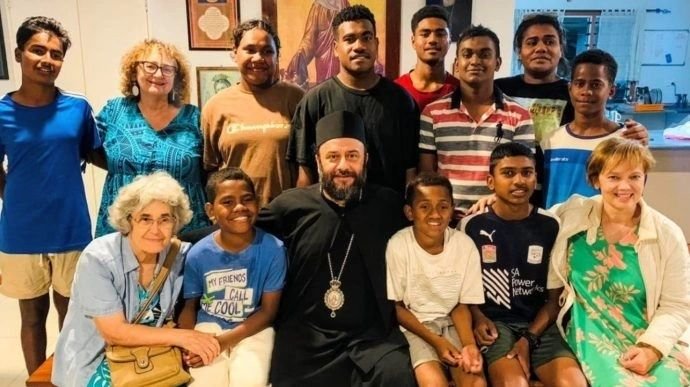
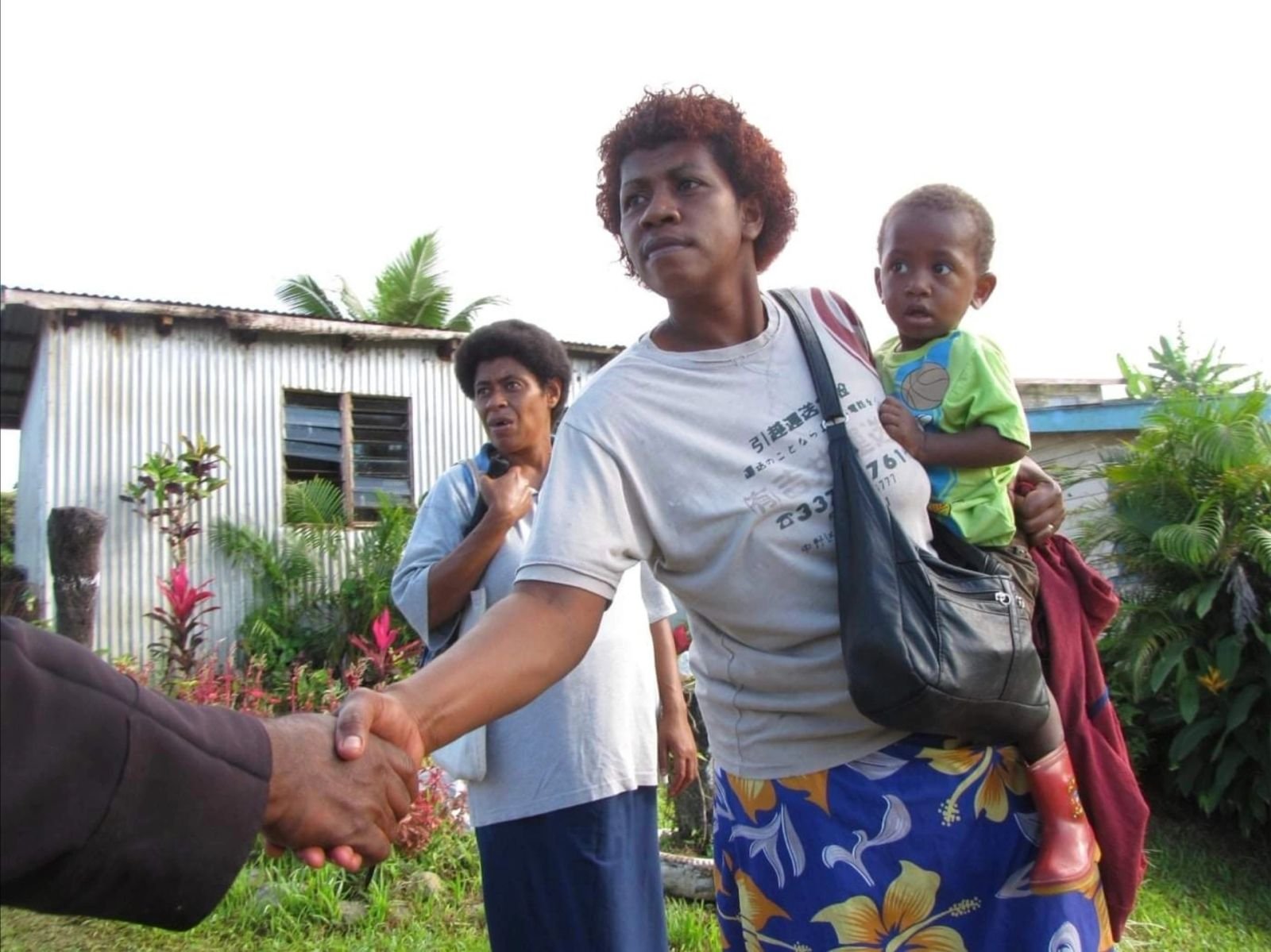
This anthropology of relationship and belonging saturates the mission. In Savudrodro, the team once walked a road searching for a small Orthodox family. Before they could call out, a voice came from the hillside: “Father Michael!” and Phanourios ran barefoot, tears streaming. The embrace was not merely emotional; it was ecclesial. St. Paul’s teaching that the faithful are “fellow citizens with the saints and members of the household of God” (Eph. 2:19) became visible in that moment. Mission revealed itself as family recognizing family, as veiwekani (kinship) restored in Christ.
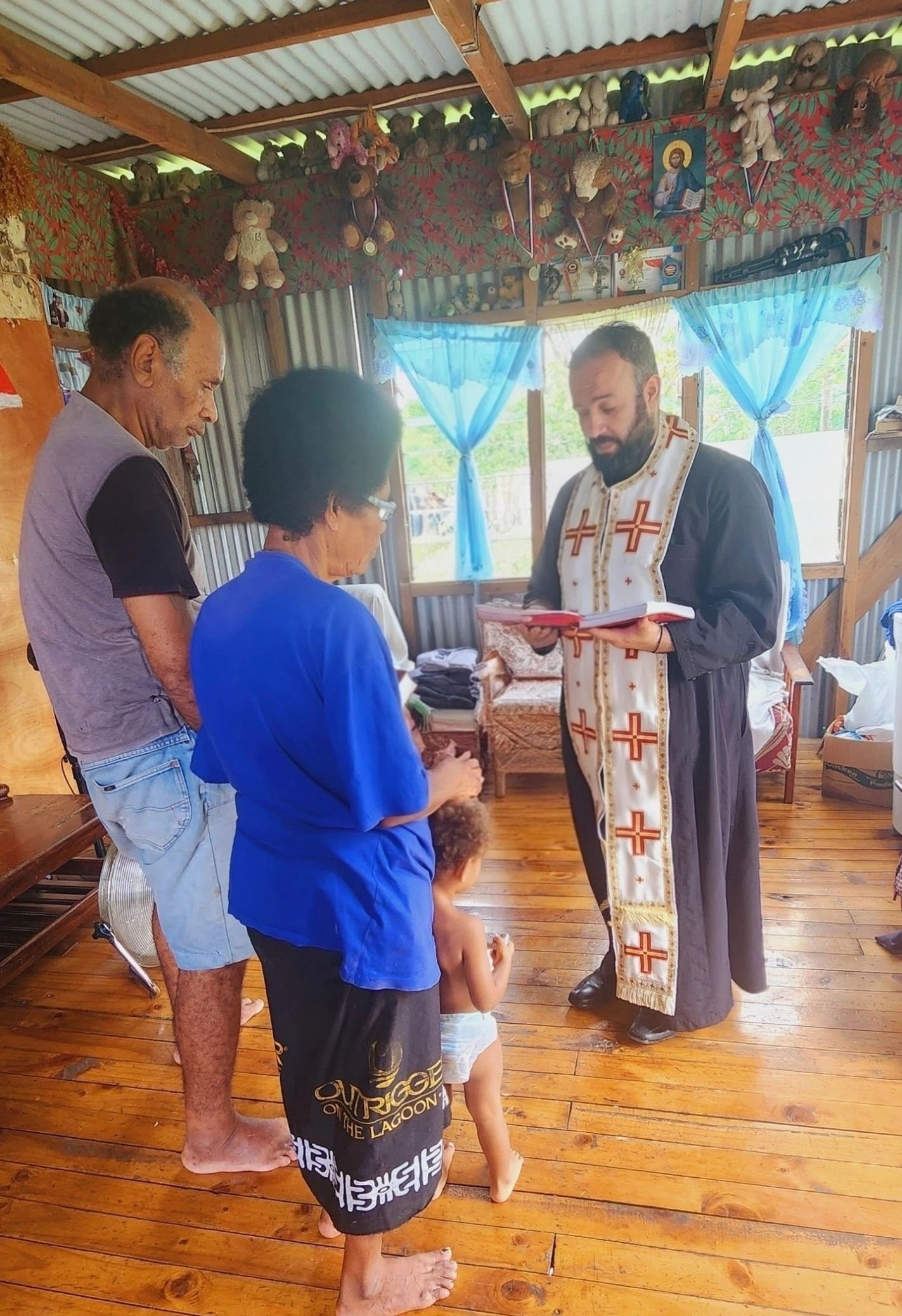
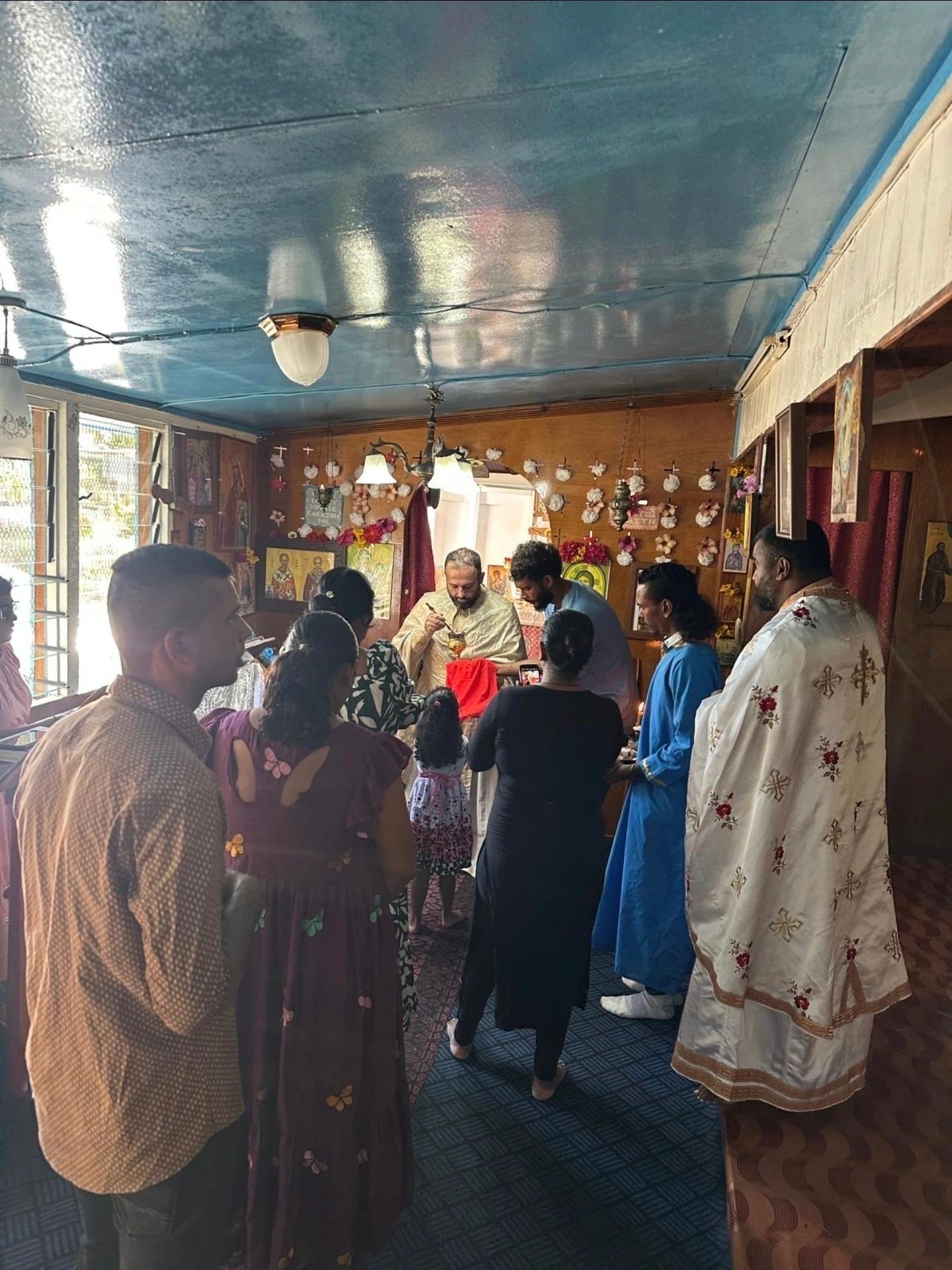
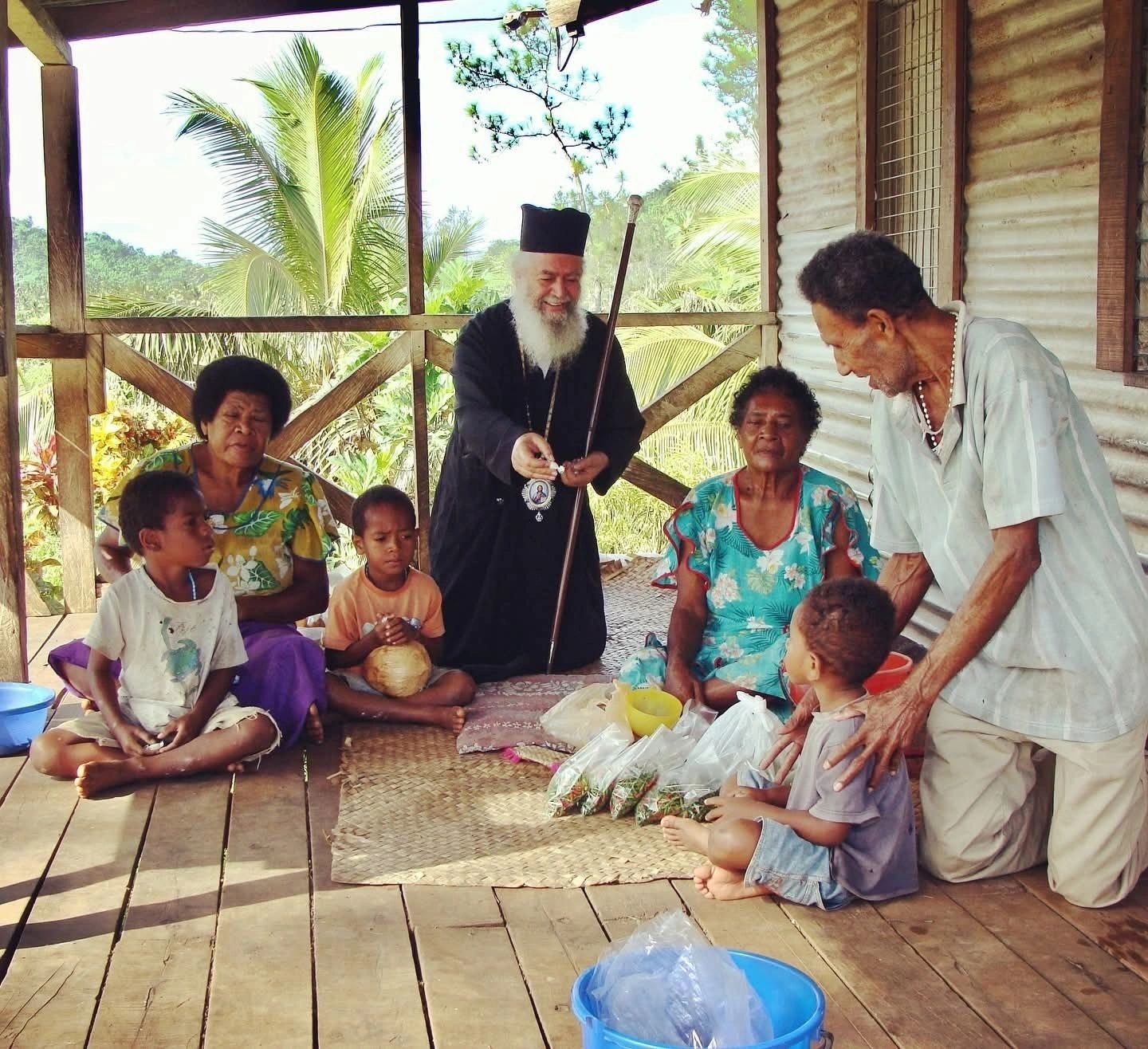
Near Labasa, another scene unfolded. Chairs arranged in a soft semicircle, a table draped with a cloth, a candle, a simple icon, hibiscus petals arranged with care. No message had confirmed the time; the family simply rose early in faith. After the prayers, the father said:
“This morning I asked God to visit our home. When you arrived, I knew He had answered.”
His words revealed a heart ready for Christ, echoing St. Paul’s prayer that “Christ may dwell in your hearts through faith” (Eph. 3:17).
Many Western homes offer space but not rest. People share the same roof yet feel distant. Houses grow larger while their rooms fill with screens and schedules. One may move from bedroom to car to office to living room without ever feeling truly home.
Fijian homes are different. Presence fills the rooms. The home becomes a place of shared life, prayer, and hospitality. The vanua enters the house, and the house rises toward God. When a family prays, its yalo—its inner life—is not hidden or private; it is woven into the life of the village and the Church.
This shared life shines especially during trials. When strong winds damaged homes, villagers gathered the next morning. Men secured roofs, children carried wood, mothers cooked for everyone, elders prayed. They moved as one body. St. Paul’s call to “bear one another’s burdens” (Gal. 6:2) was already a way of life. It echoed the earliest Christians who “had all things in common” and “took food with gladness and simplicity of heart” (Acts 2:44–46).
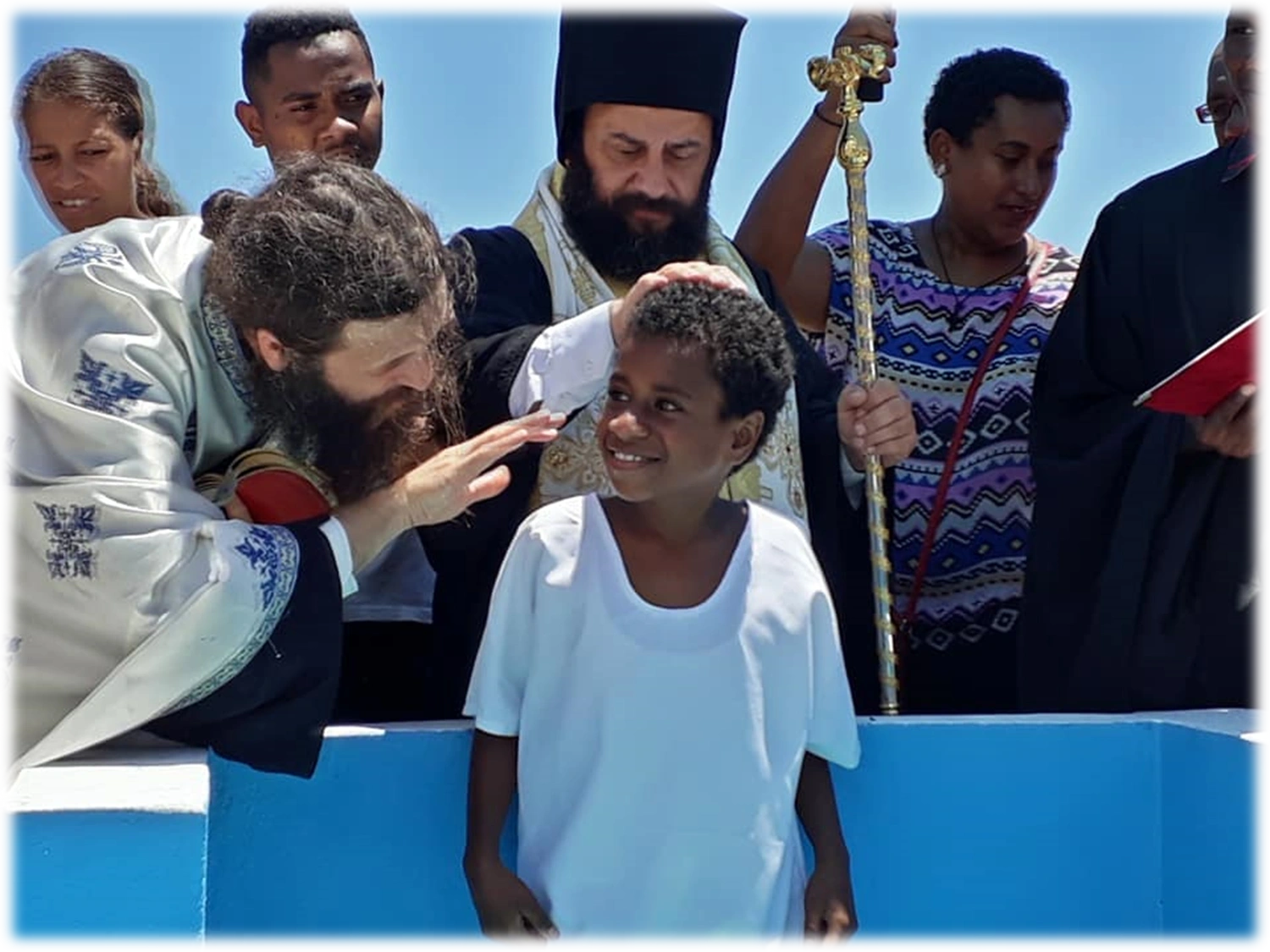
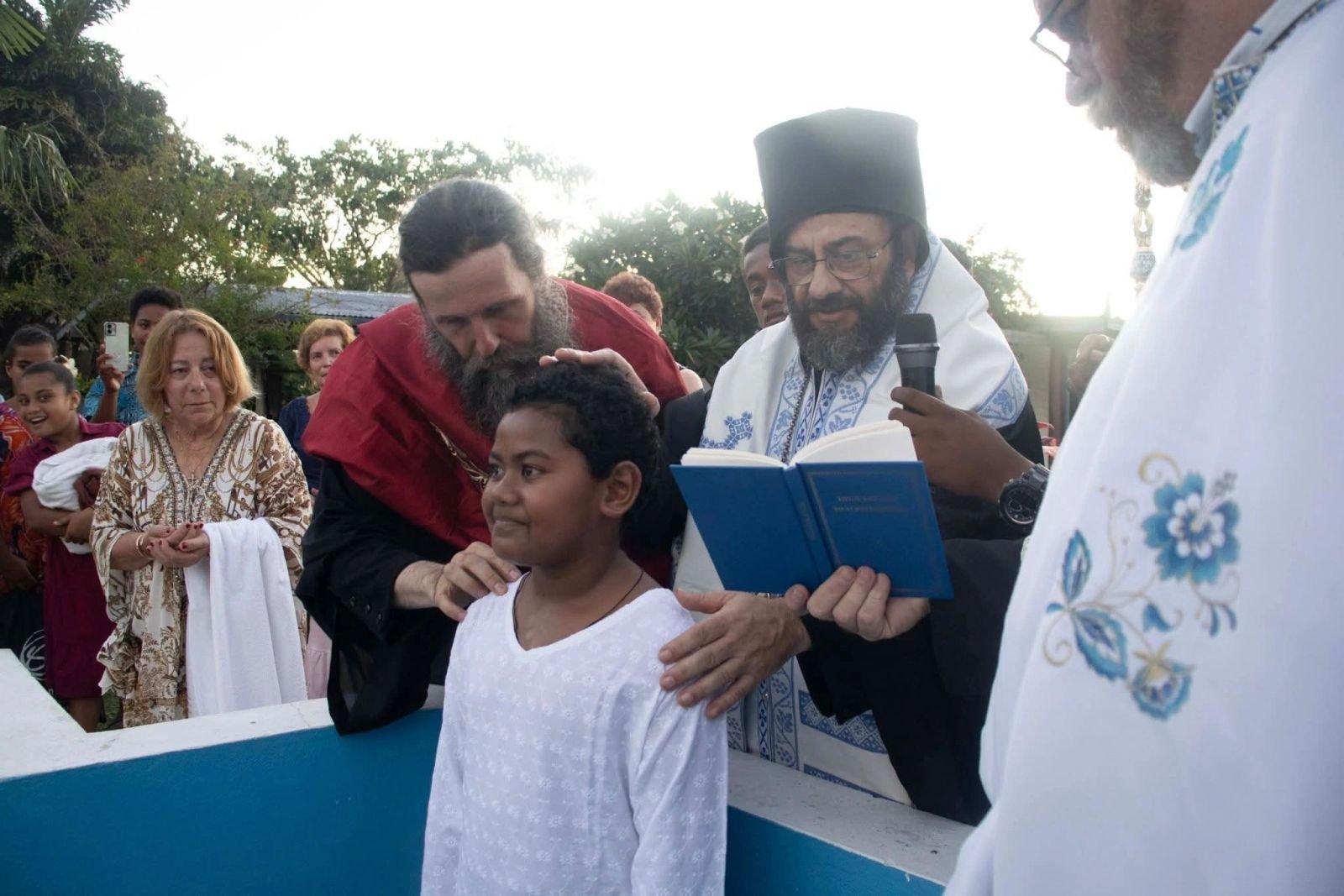
Within such a setting, sacramental life is not an addition to daily life but its heart. Baptisms take place in simple fonts, sometimes under the open sky where water reflects clouds and light. Those rising from the water do not merely join an institution; they begin to live from a new center. They know they are children of God and members of a communion stretching far beyond their village, encompassing saints and faithful in every land. Their vakabauta (faith) becomes woven into a vast veilomani (mutual love) that extends from their koro to the universal Church.
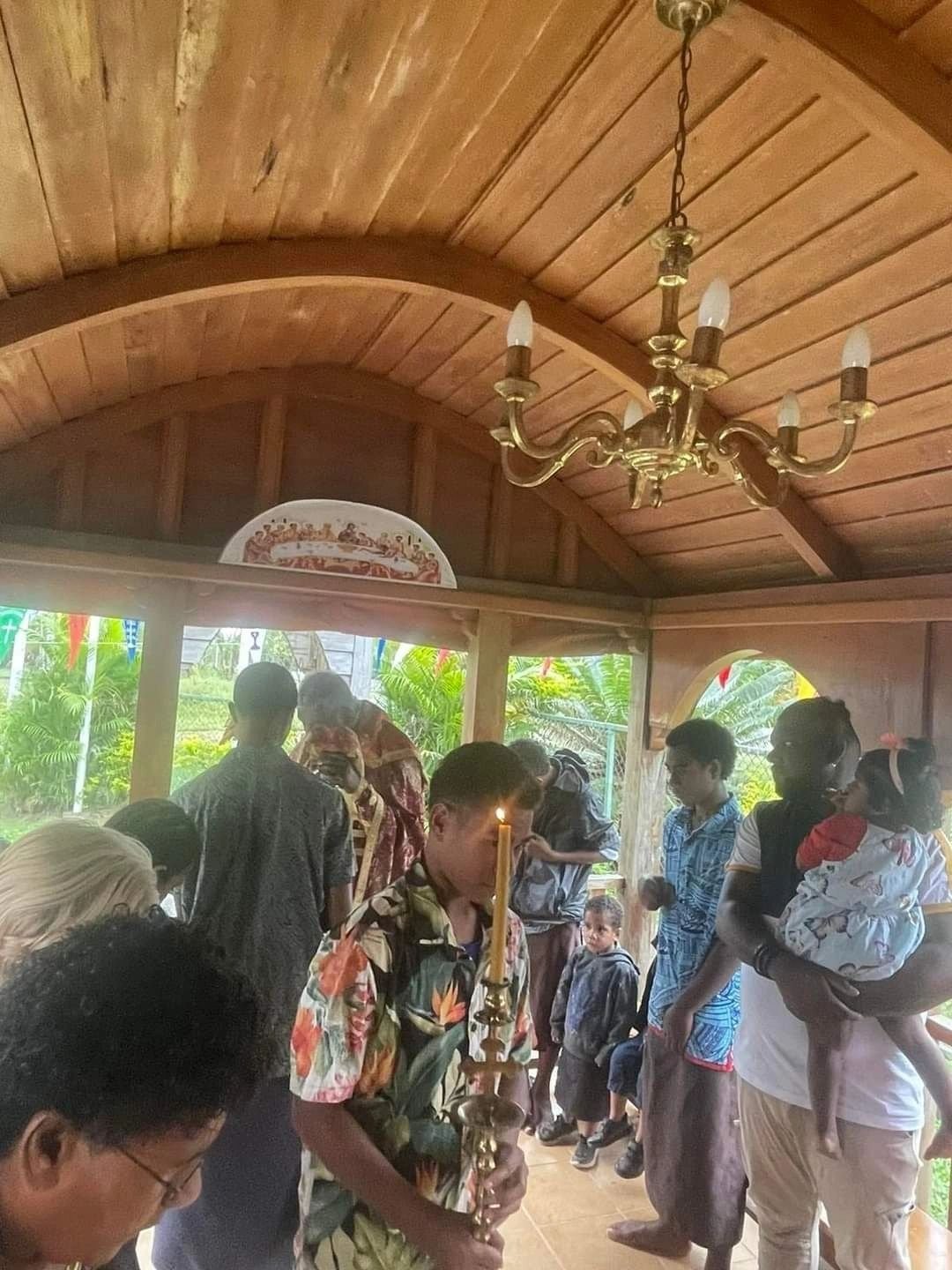
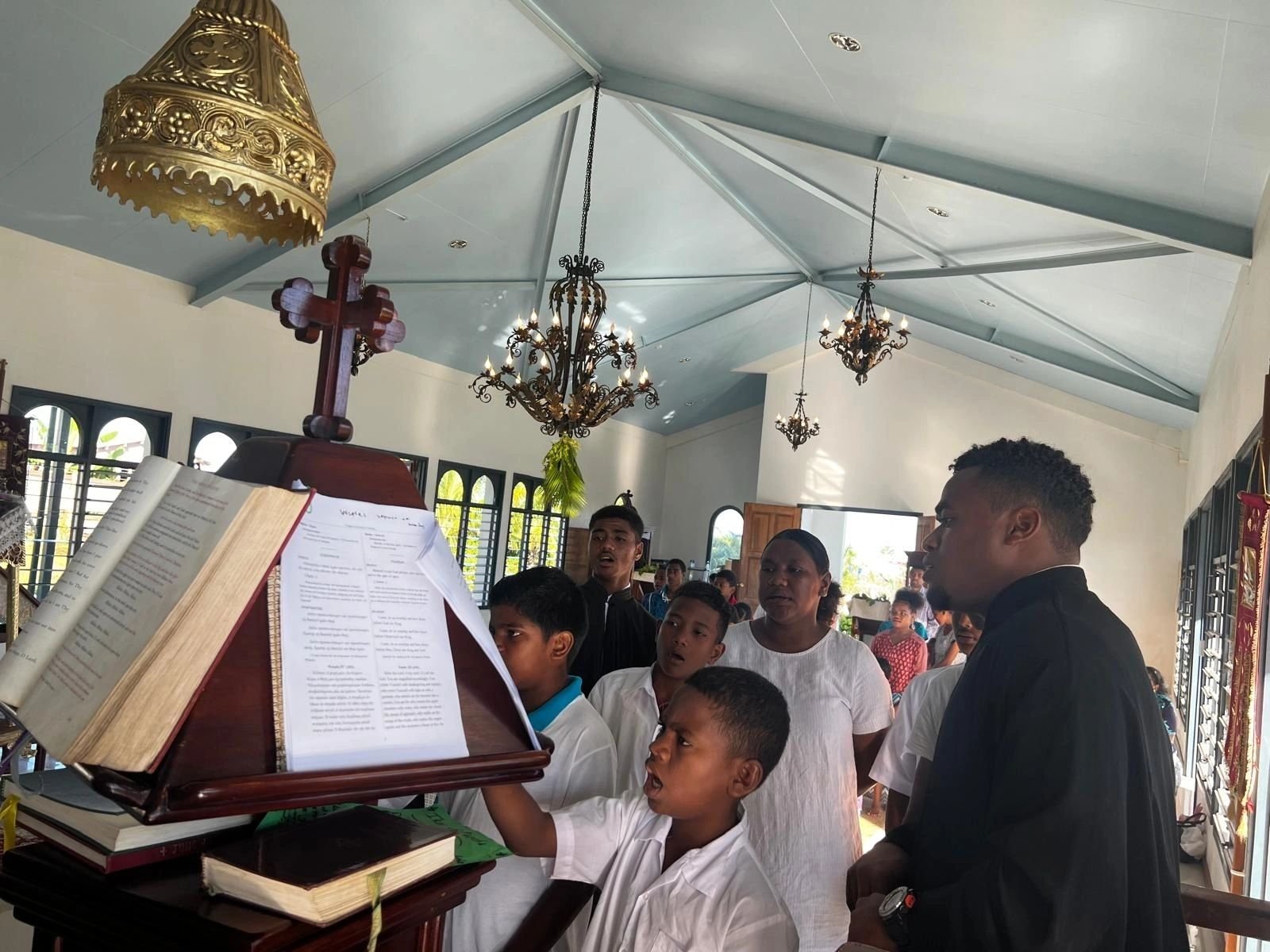
The Divine Liturgy mirrors this reality. In chapels of wood and tin, or in small churches built through countless quiet sacrifices, the people gather without display. Children watch their parents cross themselves. Young men stand quietly or help at the chant stand. Women chant with gentle strength. The singing may not be technically perfect, but it rises from sincere hearts. The silence before Communion has a depth beyond words. People approach the Chalice knowing Christ is not symbol but Presence.
St. Nicholas Cabasilas teaches that through the holy Mysteries—especially the Eucharist—the image of God in the believer is renewed and perfected. In Fiji, this restoration is visible in the faces of those returning from the Chalice: softened expressions, loosened tension, eyes more transparent. The Fathers say the heart is a small place yet can contain God. St. Macarius of Egypt writes that within the heart dwell lions and dragons, yet also God and the angels. In these village churches, the teaching becomes reality. The heart becomes a place where heaven and earth meet. The vessel of the heart receives Christ, and in time overflows His peace to others.
Confession, too, takes on a unique character. Often it happens under a tree, by a river, or in a quiet corner away from others. A father may speak of anger, financial pressure, fear for his children. He may confess becoming harsh at home, unsure how to carry everything alone. The Fijian talanoa—deep, honest conversation—becomes prayer. When absolution is given, he may say a weight has lifted. St. John Chrysostom describes repentance as removing the load that crushes the soul. In the Pacific, the link between repentance and freedom is not analyzed—it is lived.
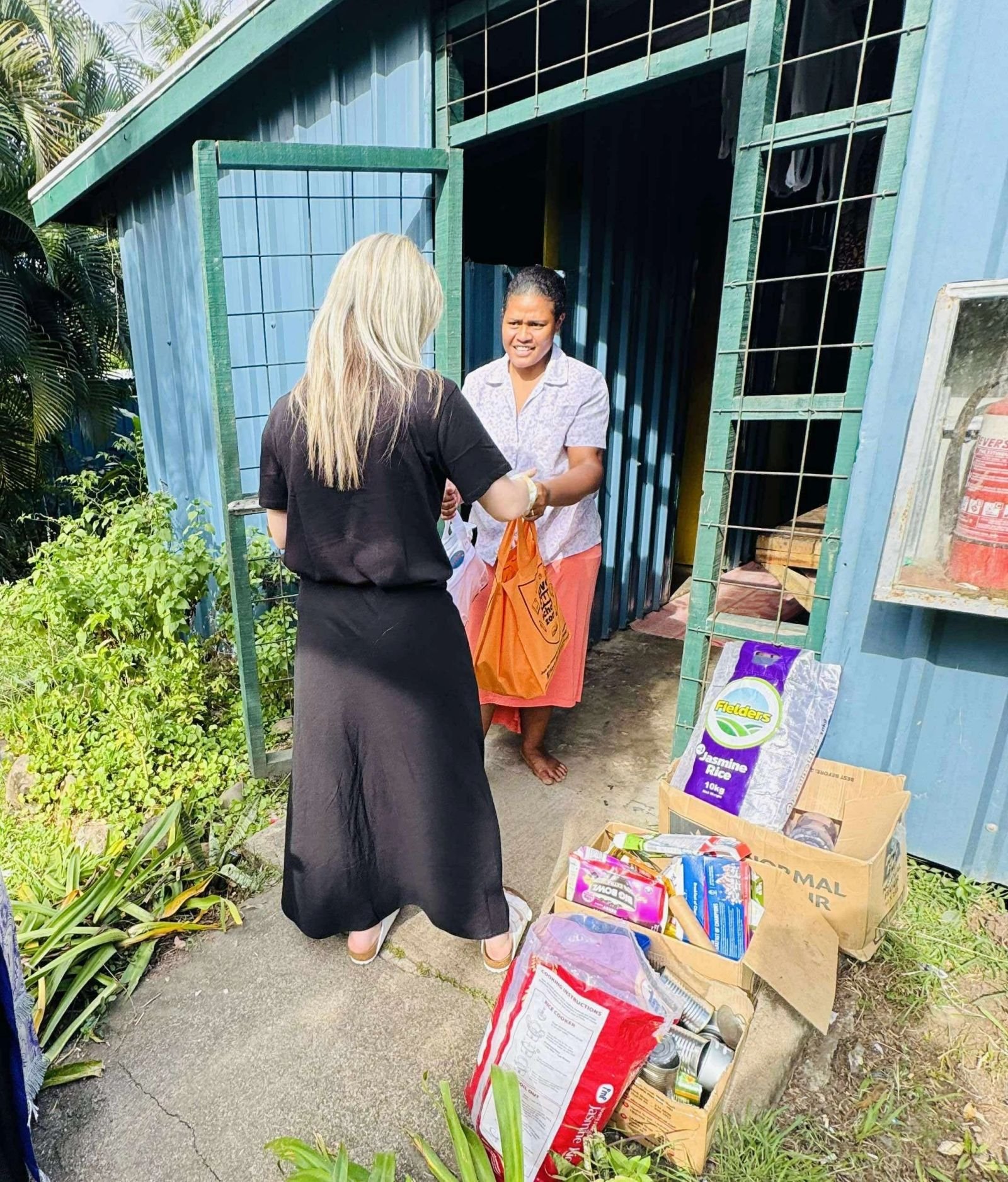
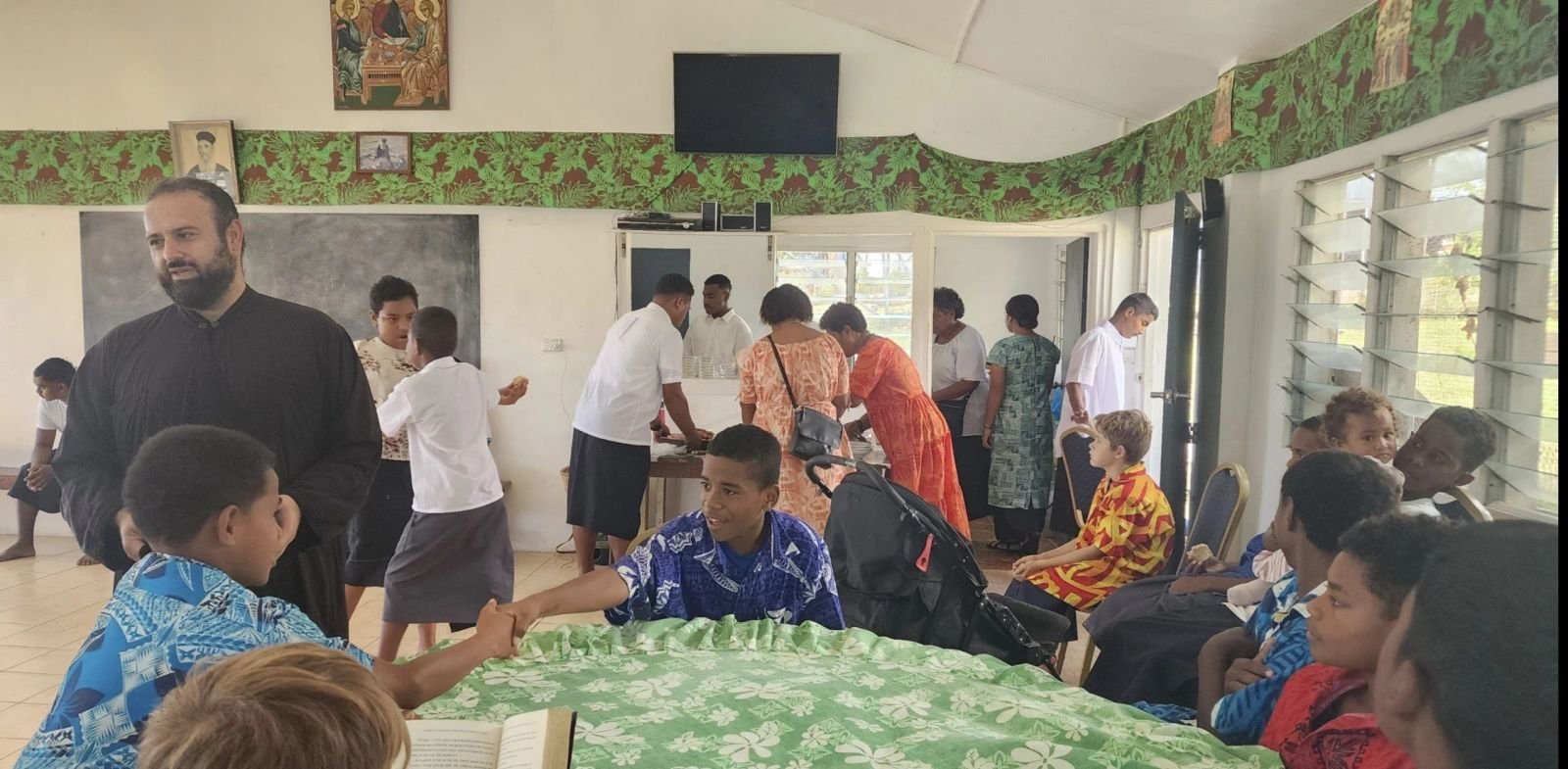
From this sacramental center, mission flows naturally. The Gospel spreads not through strategies or slogans but from person to person, like flame passed from candle to candle in the silence of Pascha night. Families who have received mercy become merciful. Homes that have known blessing become places of rest for others. A grandmother reading the Psalter at night brings her household into a gentle awareness of God’s presence. A young man who learned to chant teaches the younger boys—not because assigned, but because it feels right. The vessel receives; then it overflows.
This reveals how the Gospel shapes human identity. In many Western societies the self is imagined as an isolated center of choice, tasked with inventing its own meaning. In the Pacific, the self is discovered through belonging—family, village, land, and now Church. When Orthodoxy enters such a culture, it does not extinguish this sense of belonging; it fulfills it. It reveals the deepest community to be the Body of Christ, and every village Liturgy to be in communion with the Liturgy of the whole Church. The vanua finds its true horizon in the Kingdom.
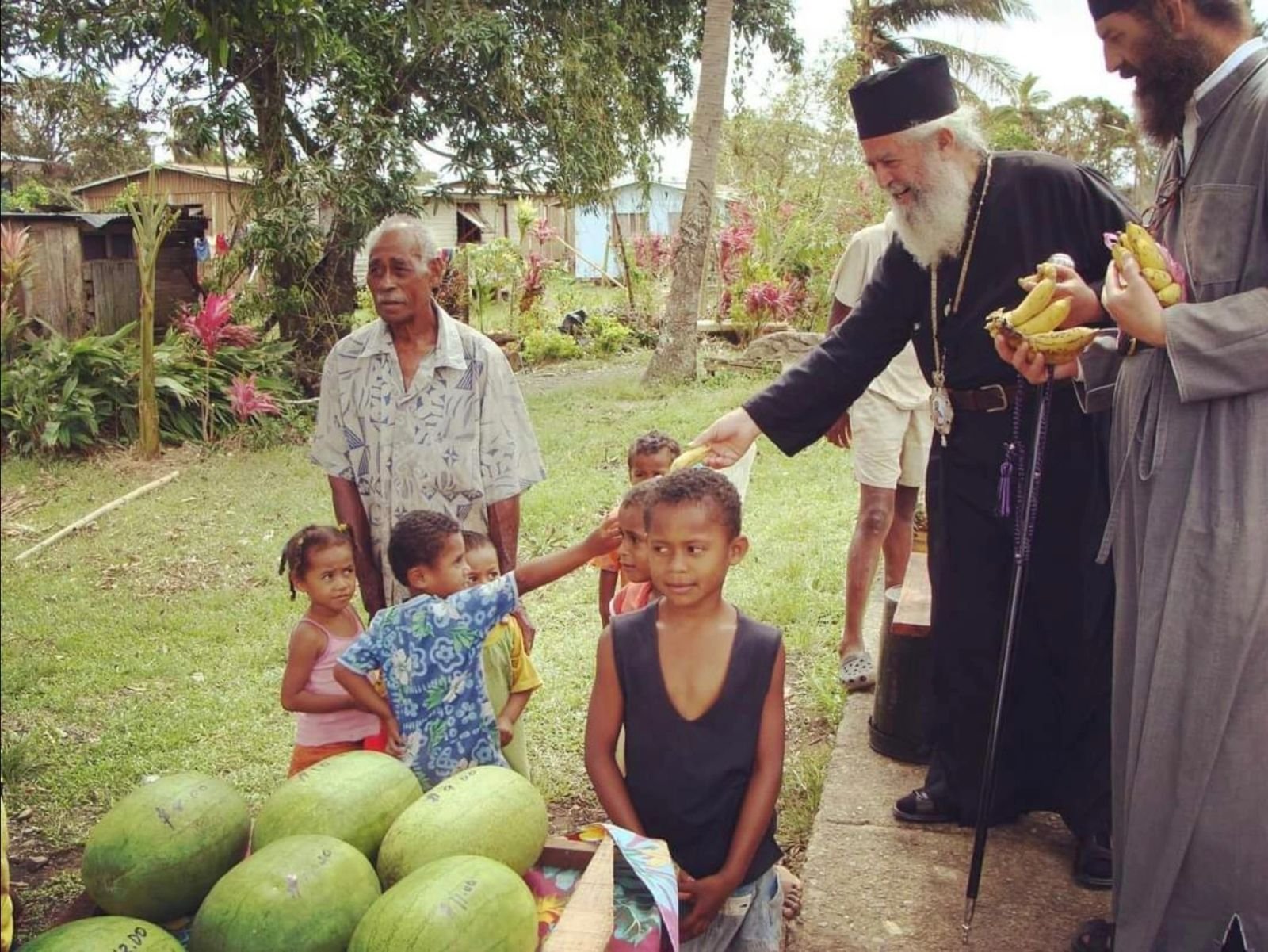
The early Orthodox communities in Fiji illustrate this. When Elder Metropolitan Amphilochios first traveled there, he met people like Pantelis Baravilala and Sofronia, whose hearts were already open to Christ. Their journey entailed risk, labour, and trust. Again, the final leg was not by a large boat but a small open vessel battling wind and wave. The missionaries saw the fragility of their plans. Yet when they arrived, the community was ready to receive the Gospel as something long awaited, something that completed what already lived within their vanua, their relationship with land and with each other.
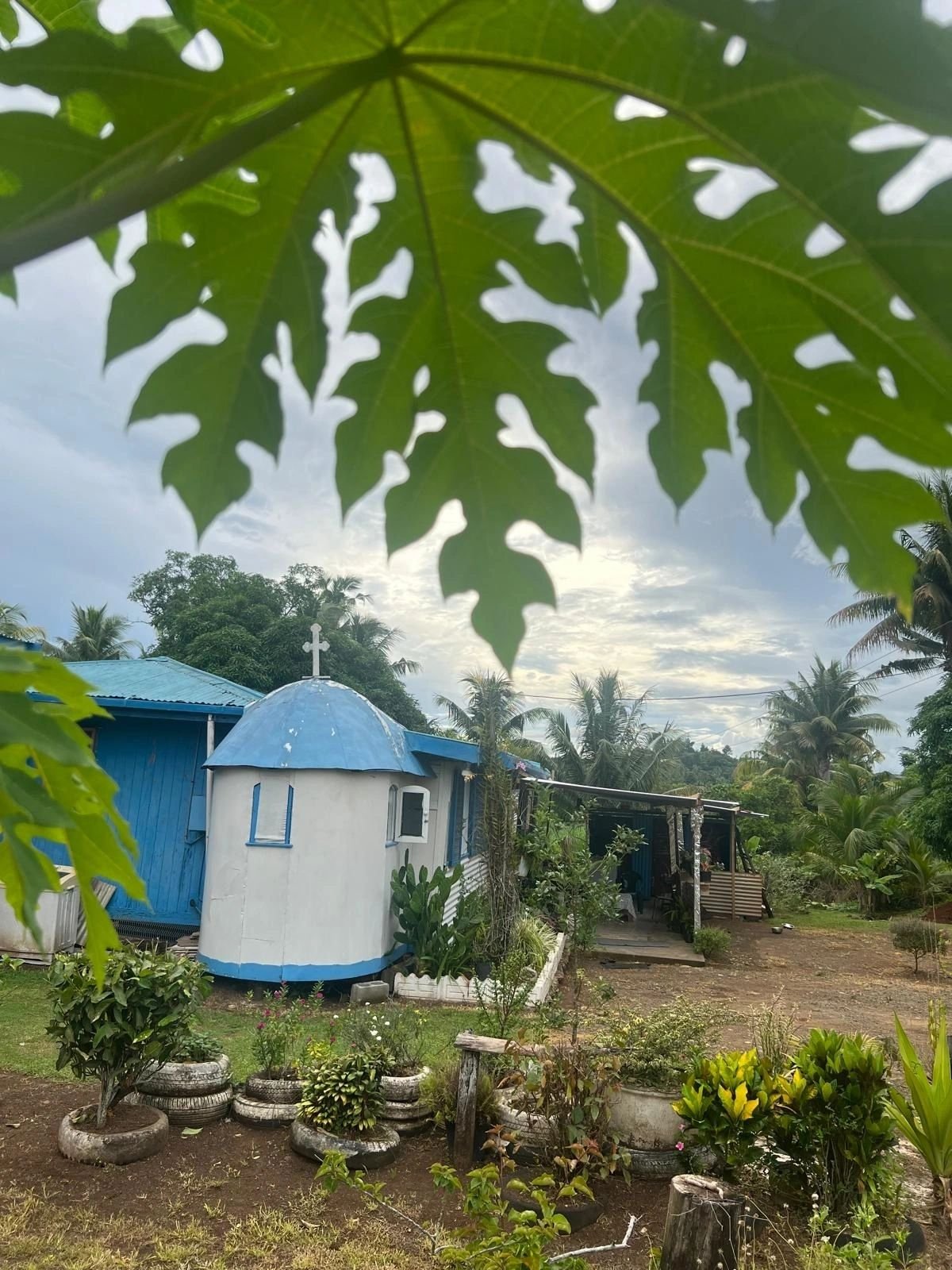
In Labasa, the small church of Saints Athanasios and Nicholas began as a humble chapel. It became a center of faith where families travelled long distances to gather with joy. Their veilomani—their love—grew at the Chalice and shaped their lives.
In all these examples, the heart is not forced to carry everything alone. Life is lifted by many shoulders. This reshapes how people experience God. When a mother in Fiji prays for her children, she knows others pray with her. When a young person struggles, he does not turn inward alone; he seeks his priest, his elders, the faithful. The heart learns openness because it has not been trained in isolation.
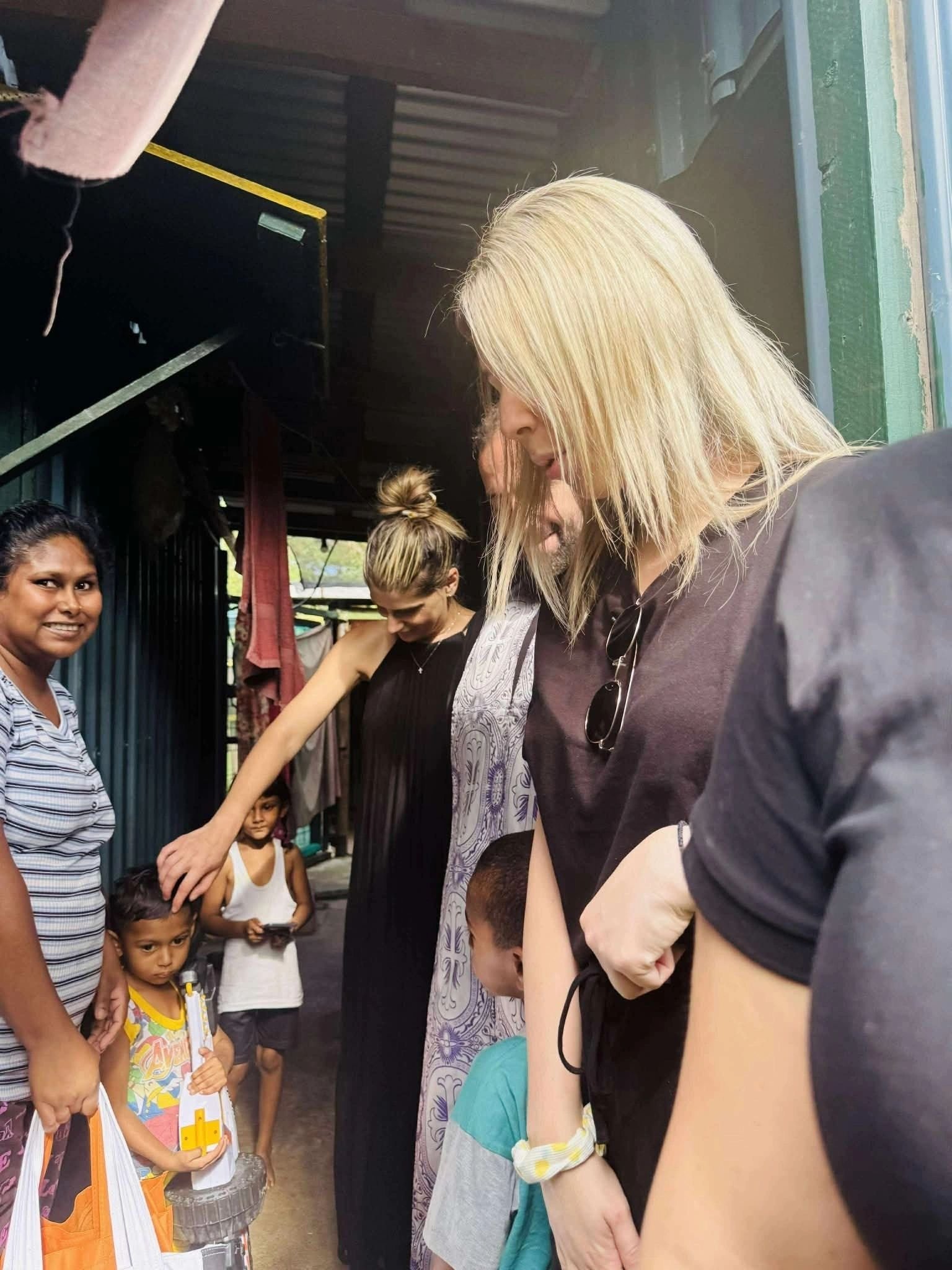
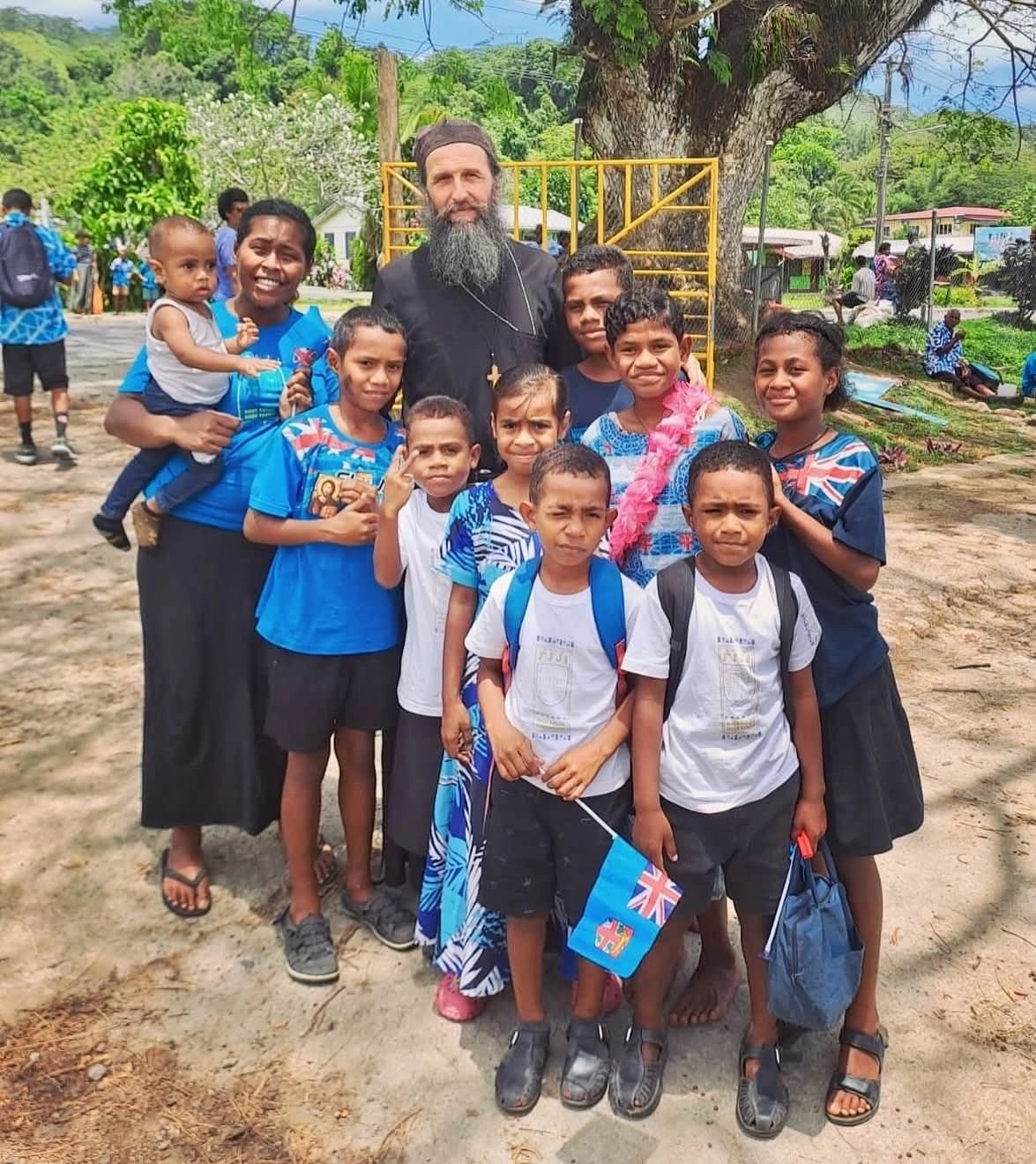
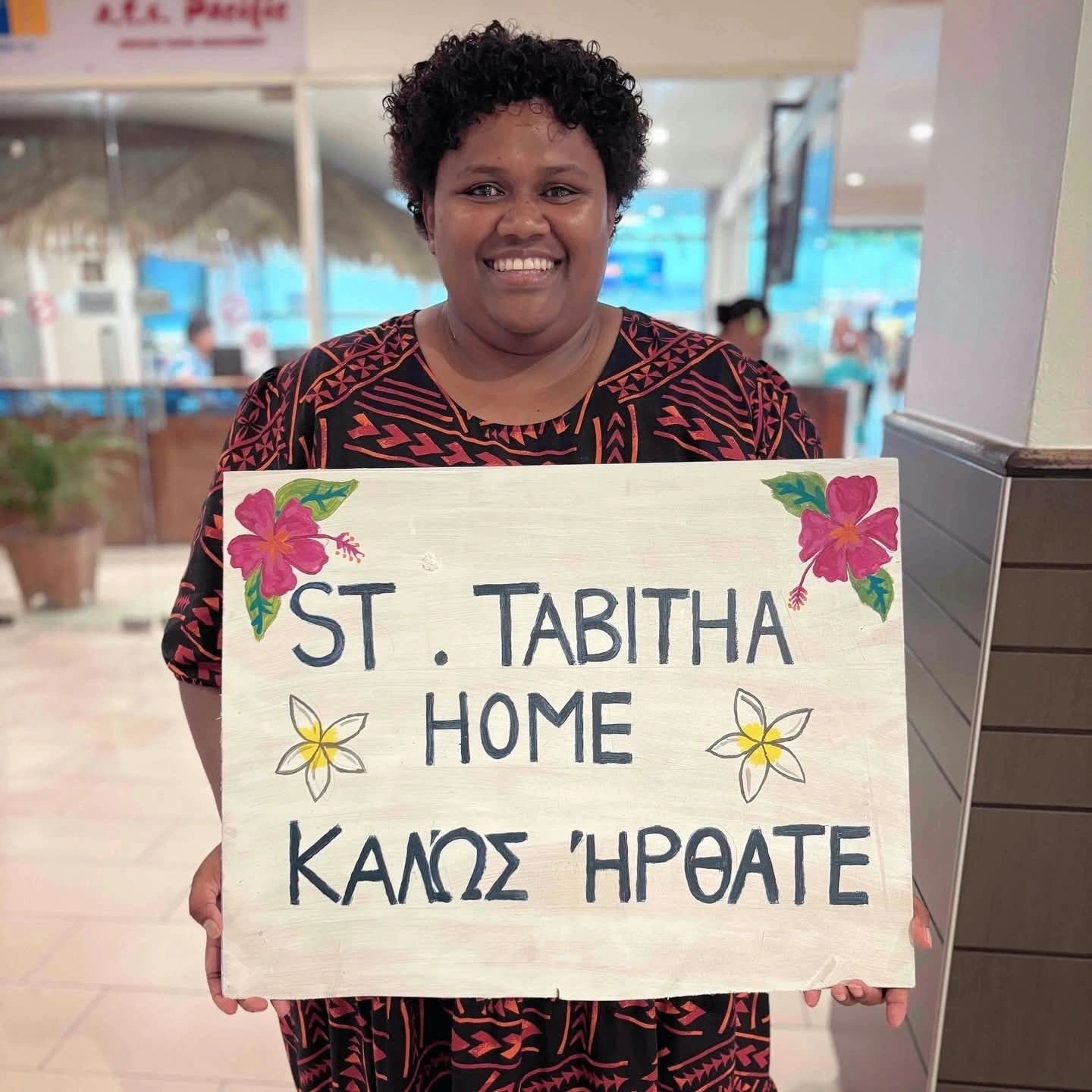
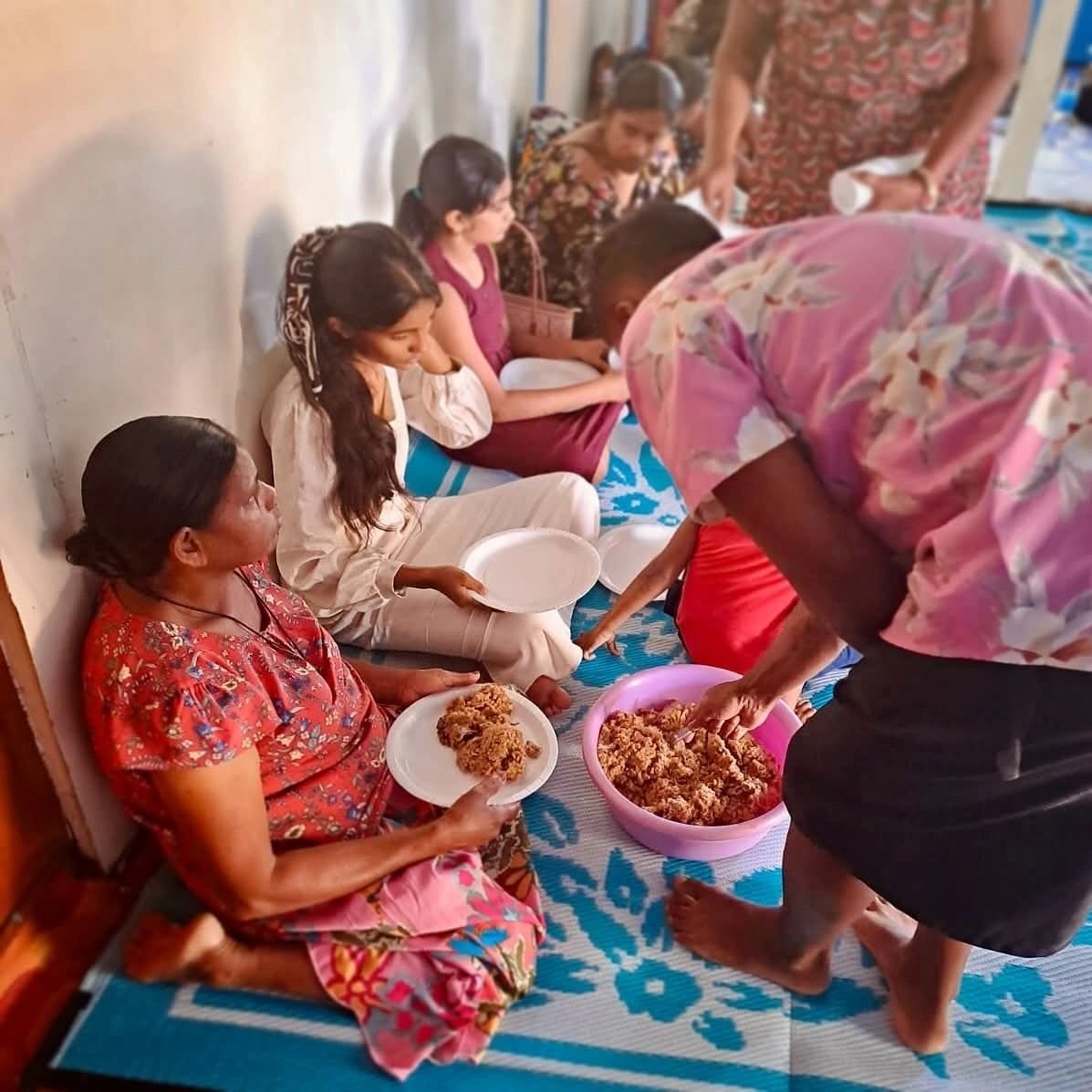
This is why joy remains one of the most compelling signs of the Gospel in the Pacific. Not emotional excitement, but steady, quiet joy—“the fragrance of a soul visited by the Holy Spirit.” It appears in children chanting eagerly, elders bowing with dignity, families gathering after long days to give thanks, the songs of the children of St. Tabitha’s orphanage dancing with gratitude under the evening sky. This joy does not ignore pain; it coexists with it and even grows through it. It is the joy of those who know they are not alone, that Christ has entered their homes, and His Presence brings peace. It echoes His promise:
“That My joy may be in you, and that your joy may be full” (John 15:11).
The Gospel of Belonging in the Modern World
You may never visit Fiji. Your daily life may unfold in a city far from the Pacific, in an apartment above a noisy street, or in a home that feels more like a station than a hearth. Yet the same Gospel speaks to you. The same Christ waits at the door of your heart. Practices formed in a koro can quietly shape life anywhere.
A small corner of a room can become a place of prayer.
A simple candle before an icon of Christ or His Mother can remind a family that its true center is not a screen but the altar of the heart.
A shared meal with another family.
A few minutes of family prayer each evening.
A word of forgiveness before sleep.
These become ways the heart empties itself of fear, anxiety, and pride, and fills with grace.
Orthodox mission in Fiji, Tonga, and Samoa shows that the Gospel does not require ideal conditions—it seeks open hearts. It thrives where people allow their sense of self to be renewed by Christ, where time is offered rather than hoarded, where homes become places of prayer and hospitality. The Pacific teaches that poverty of spirit is not weakness but freedom. It frees the heart from the illusion that it must hold everything itself. It teaches the soul to echo the Mother of God: “Let it be to me according to Your word.” Whispered in a hut beneath palm trees or in an apartment in a busy city, the same grace descends.
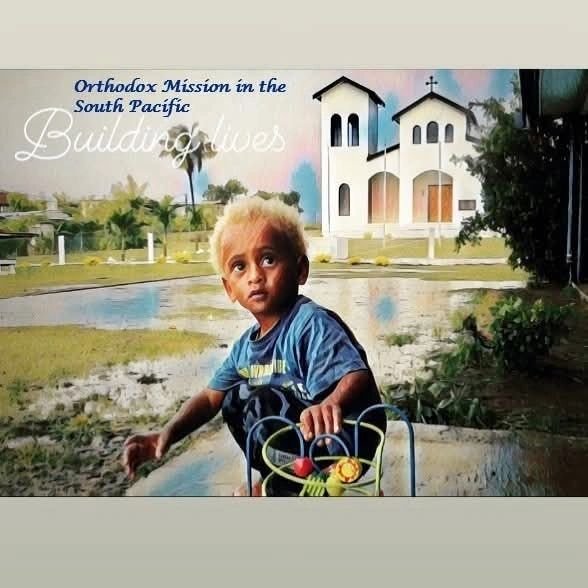
In a world that often turns people into isolated individuals with overloaded hearts, the Pacific offers another testimony. It shows that true human existence is found in communion, that the heart becomes itself when it learns to belong, and that mission is not a program but the overflow of a Eucharistic life. The vessel receives and then overflows. The more it empties of fear, pride, and self-sovereignty, the more it fills with Christ. From this fullness, grace flows outward—to children, families, villages—and beyond the islands to every place where people thirst for peace.
The world continues to hunger for such witness. The Church is called to offer it with humility and love. Where Christ is received in this way, salvation follows—not only as an external event, but as a quiet, deep transformation of the human heart and of how people live together. Beneath the Southern Cross and in every land, the same Lord waits to be welcomed. The same Christ who calmed the storm on the Sea of Galilee watches over the small boats of the Pacific—and over the hidden storms of the human heart. The vessel of the heart need only open, and He will enter.
Note:
The Orthodox Mission in the islands of Fiji, Tonga, and Samoa operates under the Holy Metropolis of New Zealand of the Ecumenical Patriarchate, currently guided by His Eminence Metropolitan Myron. Founded by Metropolitan Amphilochios (Tsoukos), the mission continues to nurture vibrant Orthodox communities across the Pacific through the Holy Trinity Church in Saweni, the Monastery of the Dormition, and St. Tabitha’s orphanage.