
€381 Million for Electrification, Greener Vessels and Port Infrastructure
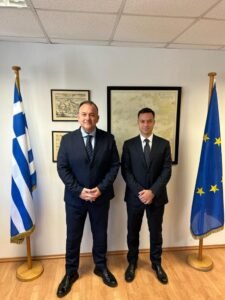
Important developments concerning the renewal and green transition of Greece’s coastal shipping sector have emerged from a written response by Minister of Maritime Affairs and Insular Policy Vassilis Kikilias to a parliamentary intervention by Dodecanese MP Manos Konsolas.
According to the response received by Mr Konsolas, the government intends to establish a state-aid framework that would support the renewal of the country’s coastal shipping fleet through the construction or acquisition of new vessels, as well as the conversion of existing ships to operate on newer, more affordable and environmentally friendly fuels.
Greece and the Ministry of Maritime Affairs are currently negotiating the proposed framework with the European Union’s competent competition authorities.
At the same time, a funding programme worth €181 million is being advanced to support the electrification of small coastal craft and ferry vessels.
A further call for proposals has already been issued under a separate €200 million programme. The funding will support the development of shore-side electricity infrastructure at ports, along with the installation of systems on vessels required for the use of alternative fuels.
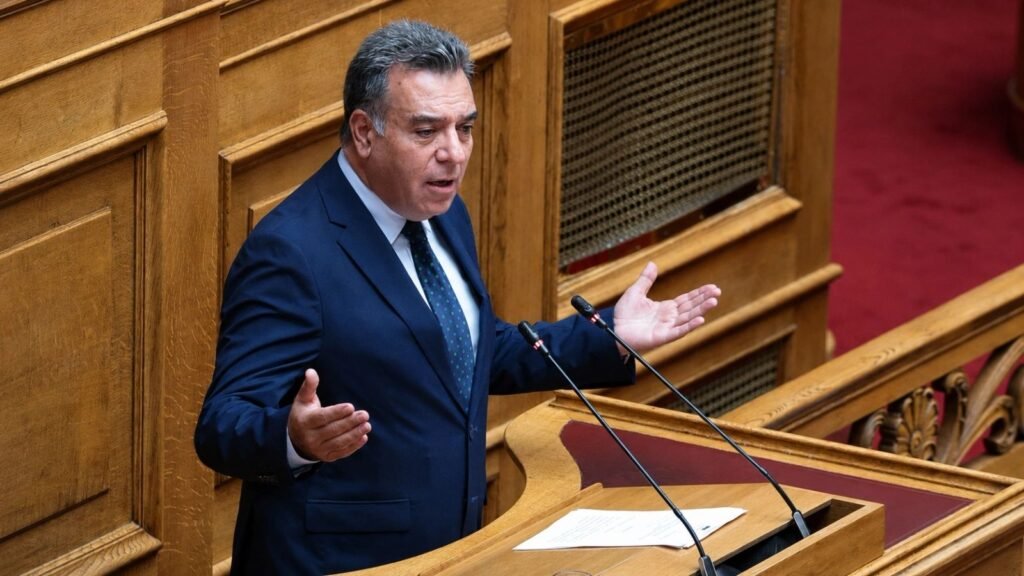
In his parliamentary intervention, Manos Konsolas stressed that the transition towards a modern and greener coastal shipping sector is not solely an environmental objective. It is also directly linked to reducing vessels’ operating costs and, consequently, helping make ferry fares more affordable — an issue of particular importance to island residents.
He also highlighted the urgent need to modernise the fleet, noting that most vessels currently serving Greece’s coastal routes are more than 30 years old.
The Dodecanese MP identified three main priorities: activating national and European funding for the conversion of ships to environmentally friendly fuels, approving and certifying alternative fuels for maritime transport, and establishing dedicated financing programmes for fleet renewal during the new EU programming period.
These initiatives could mark an important step towards safer, more affordable and environmentally sustainable maritime transport, with particular significance for the Dodecanese and Greece’s island communities as a whole.