

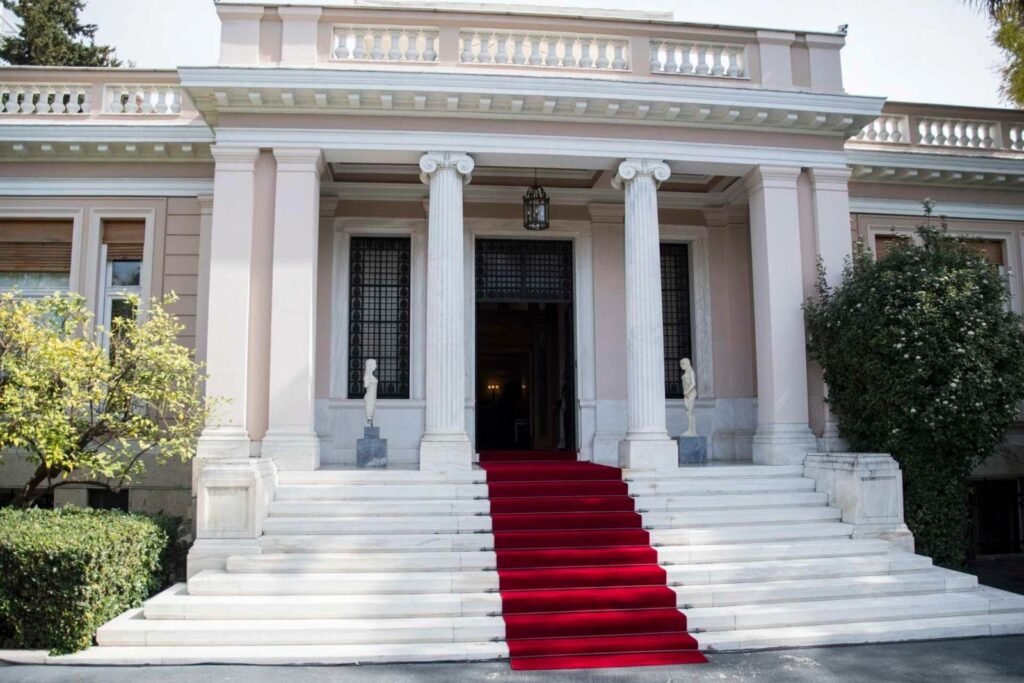
With nearly one in five voters still undecided, the government is seeking ways to boost support by focusing on implementing announced measures—such as tax reforms expected in January—and closing pending issues, including farmer subsidies. At the same time, speculation over a cabinet reshuffle is growing, with early 2026 considered the most likely timing, potentially the last before the next election.
Internal tensions exist within the ruling New Democracy party, including backlash over the planned closure of ELTA branches and differing views on whether to revisit the electoral law. Prime Minister Kyriakos Mitsotakis, who prefers targeted rather than sweeping reshuffles, is expected to refresh the government mainly at the level of deputy ministers and involve more MPs from regional constituencies.
Meanwhile, Mitsotakis is increasing direct contact with MPs in an effort to maintain party unity. The government continues to dismiss rumors of early elections, insisting the next vote will take place in spring 2027—most likely in April, with a possible runoff in May. However, a snap election in late 2026 cannot be entirely ruled out.