
Leros Welcomed Leading Scholars at the 24th Dodecanese Cultural Symposium
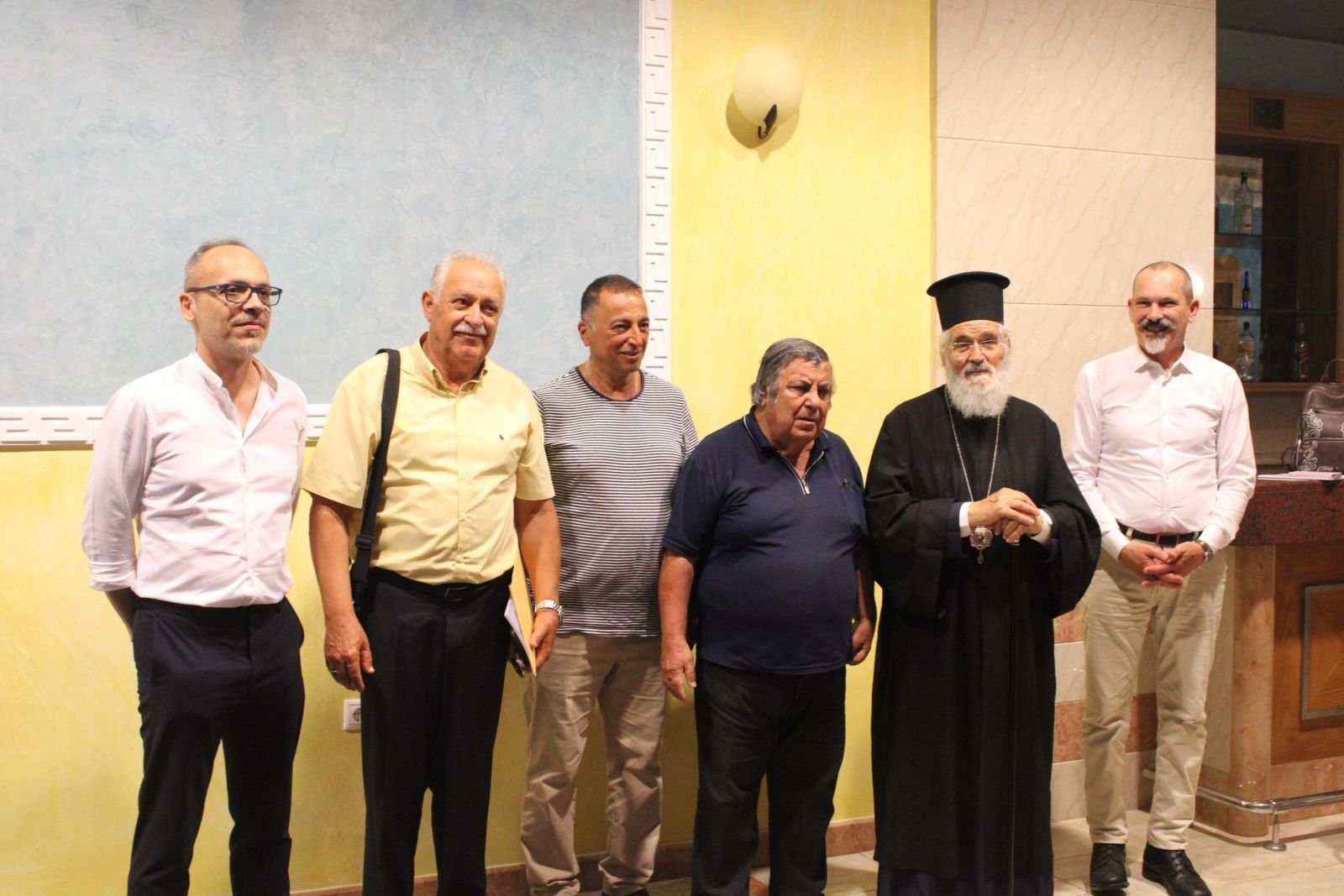
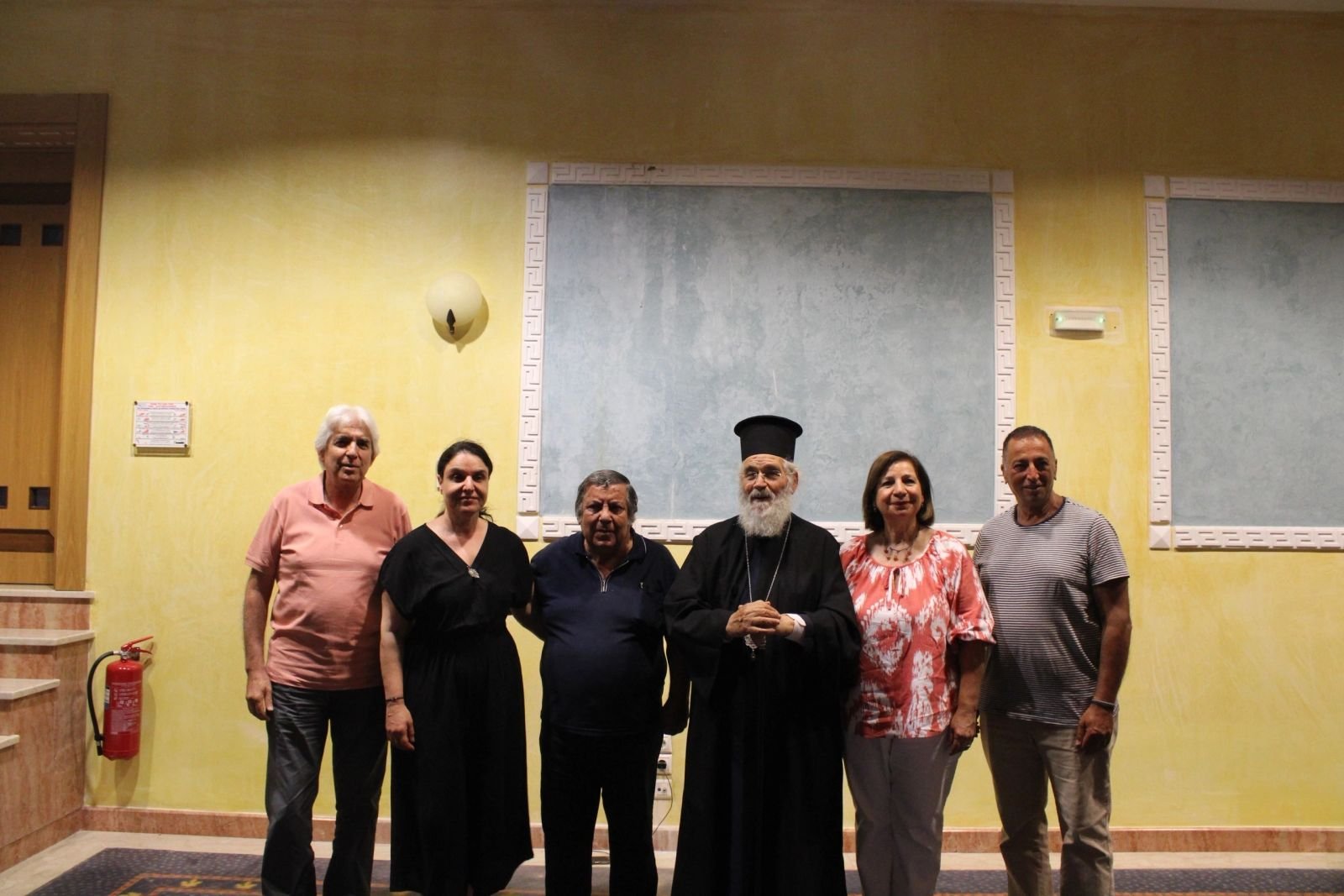
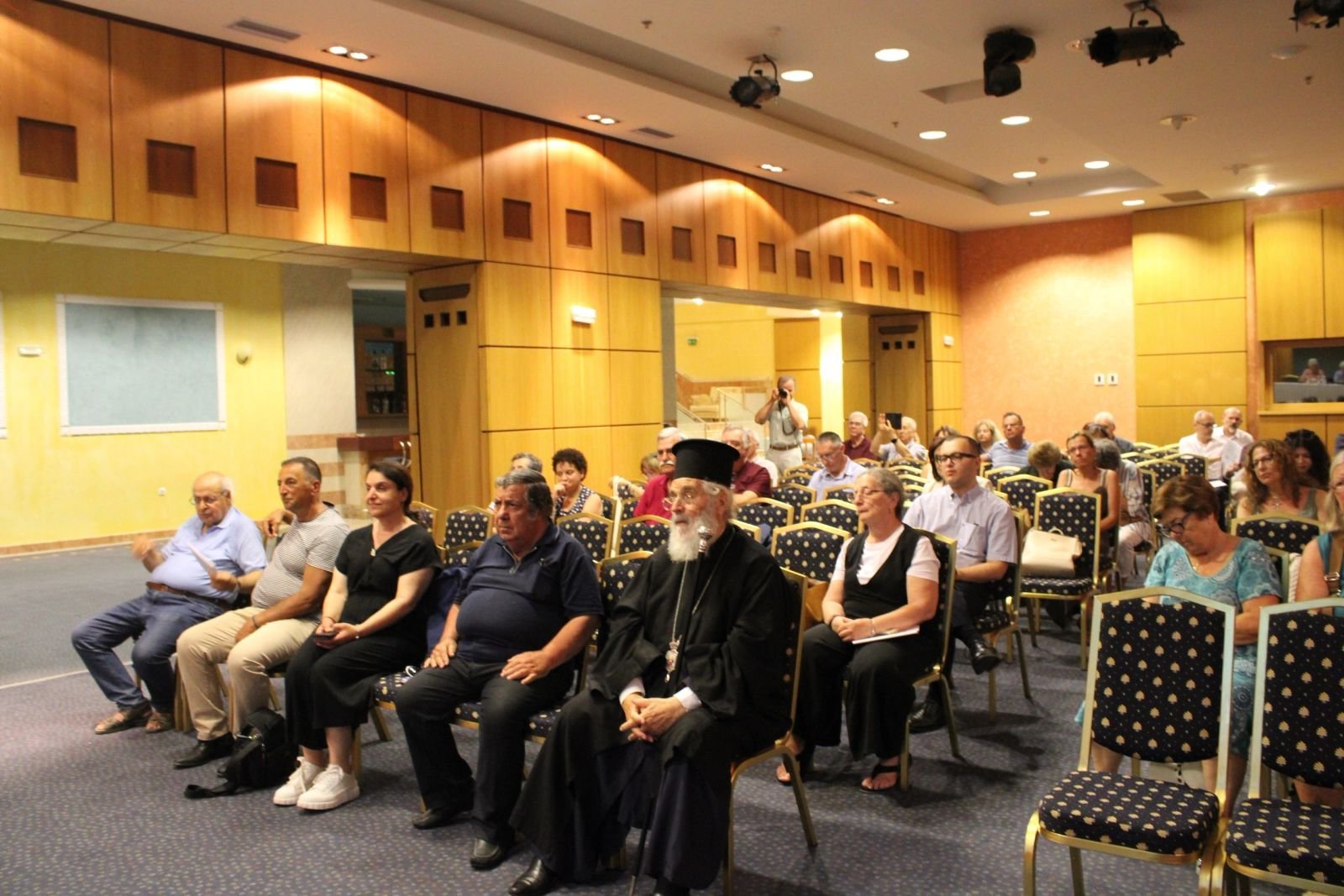
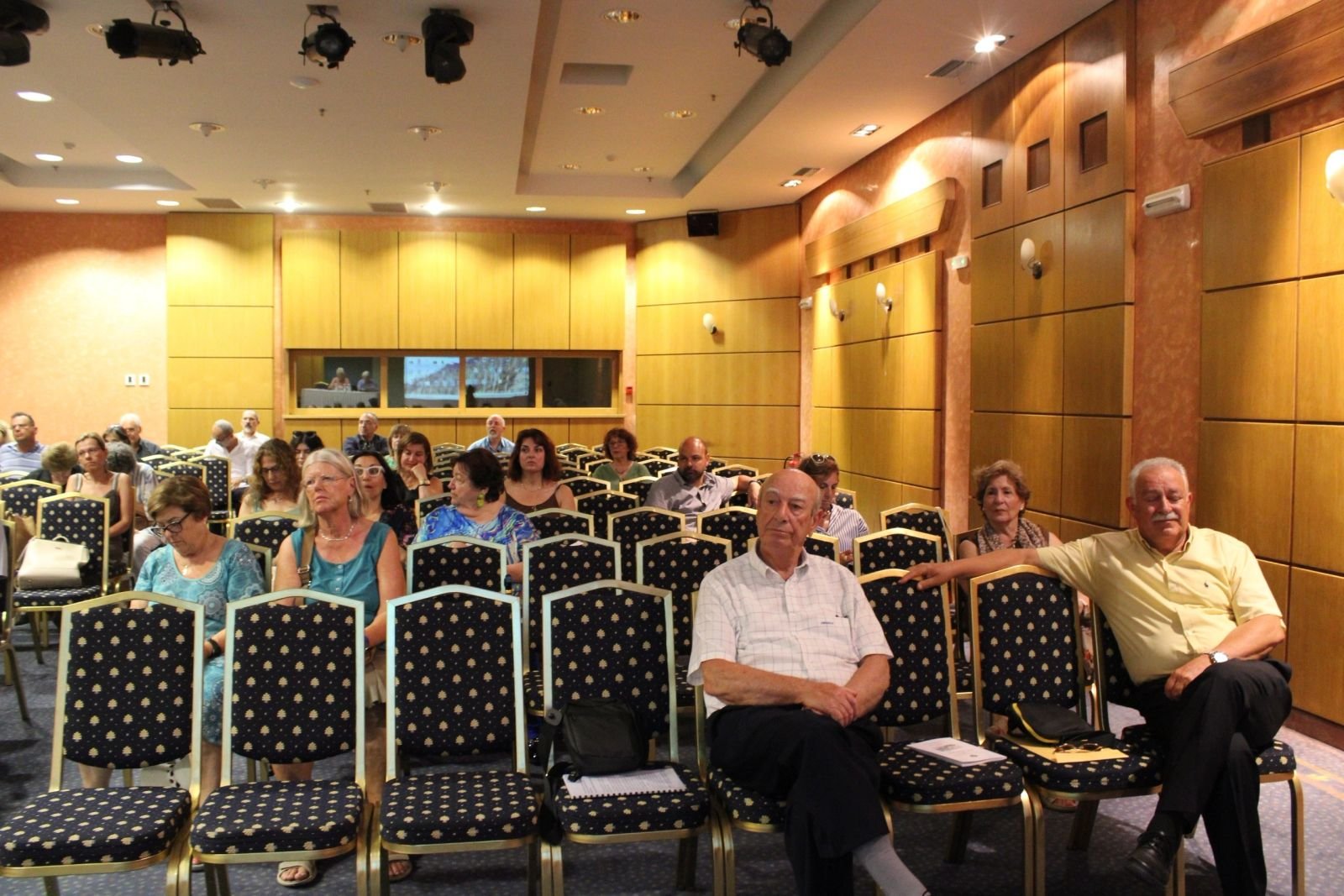
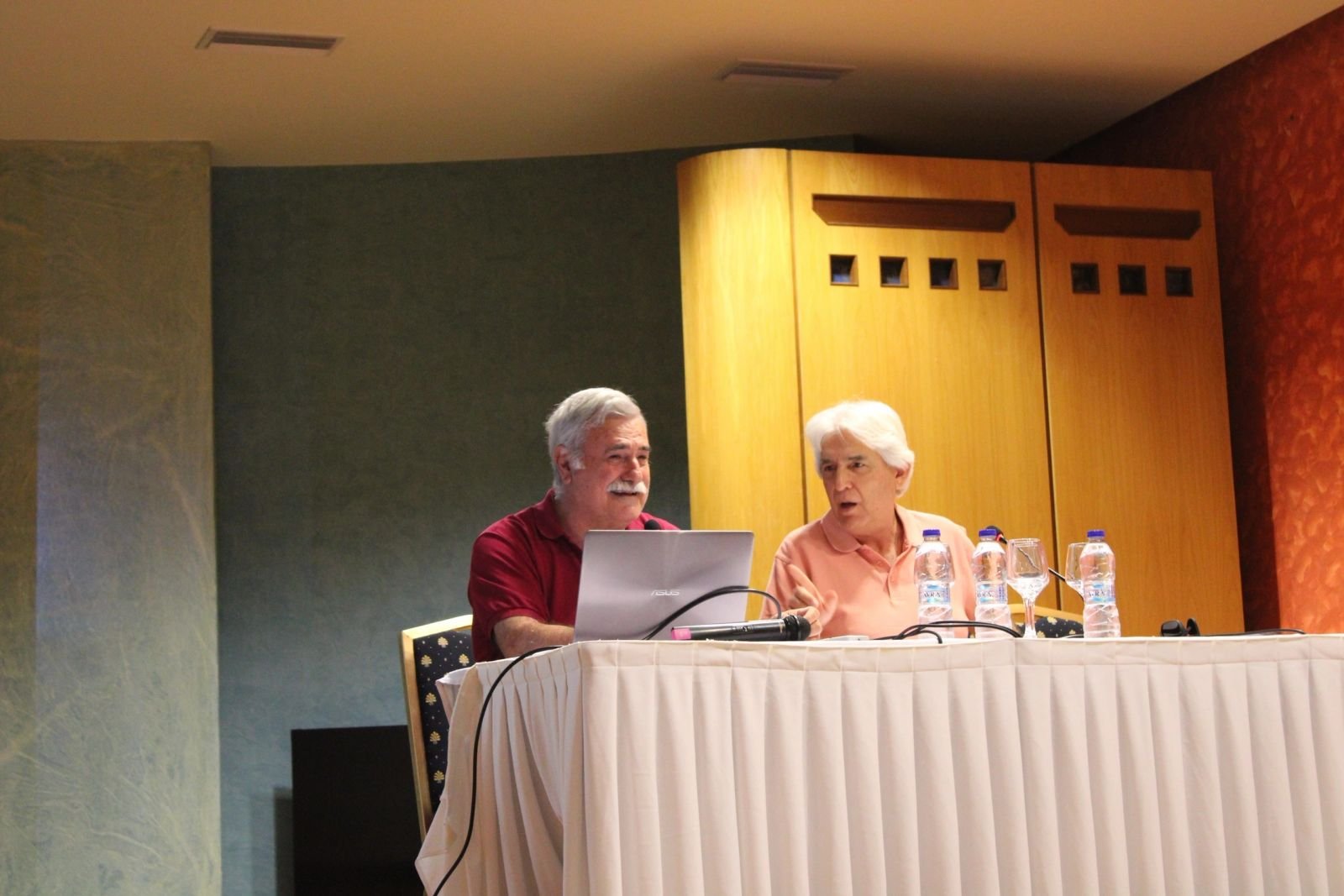
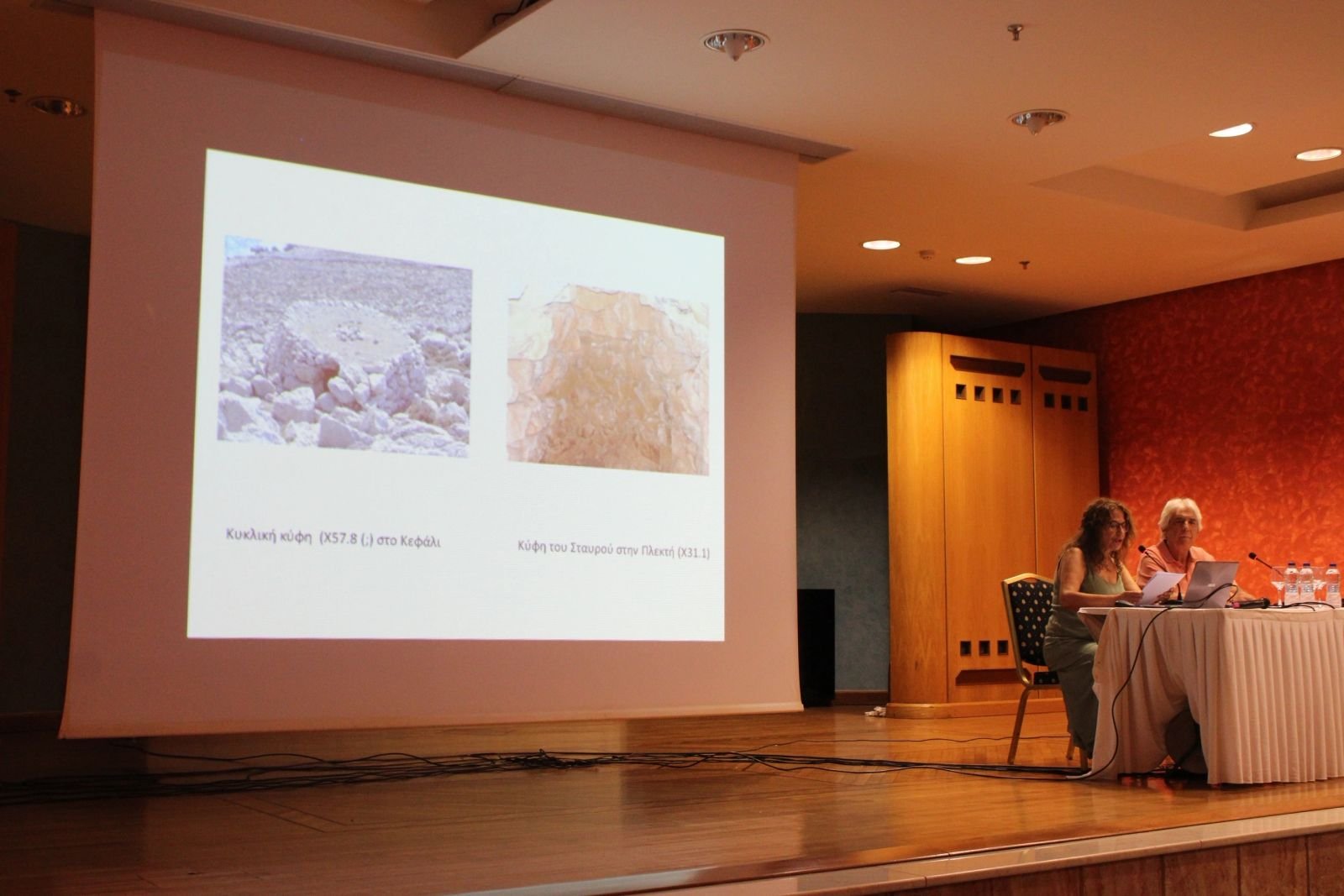
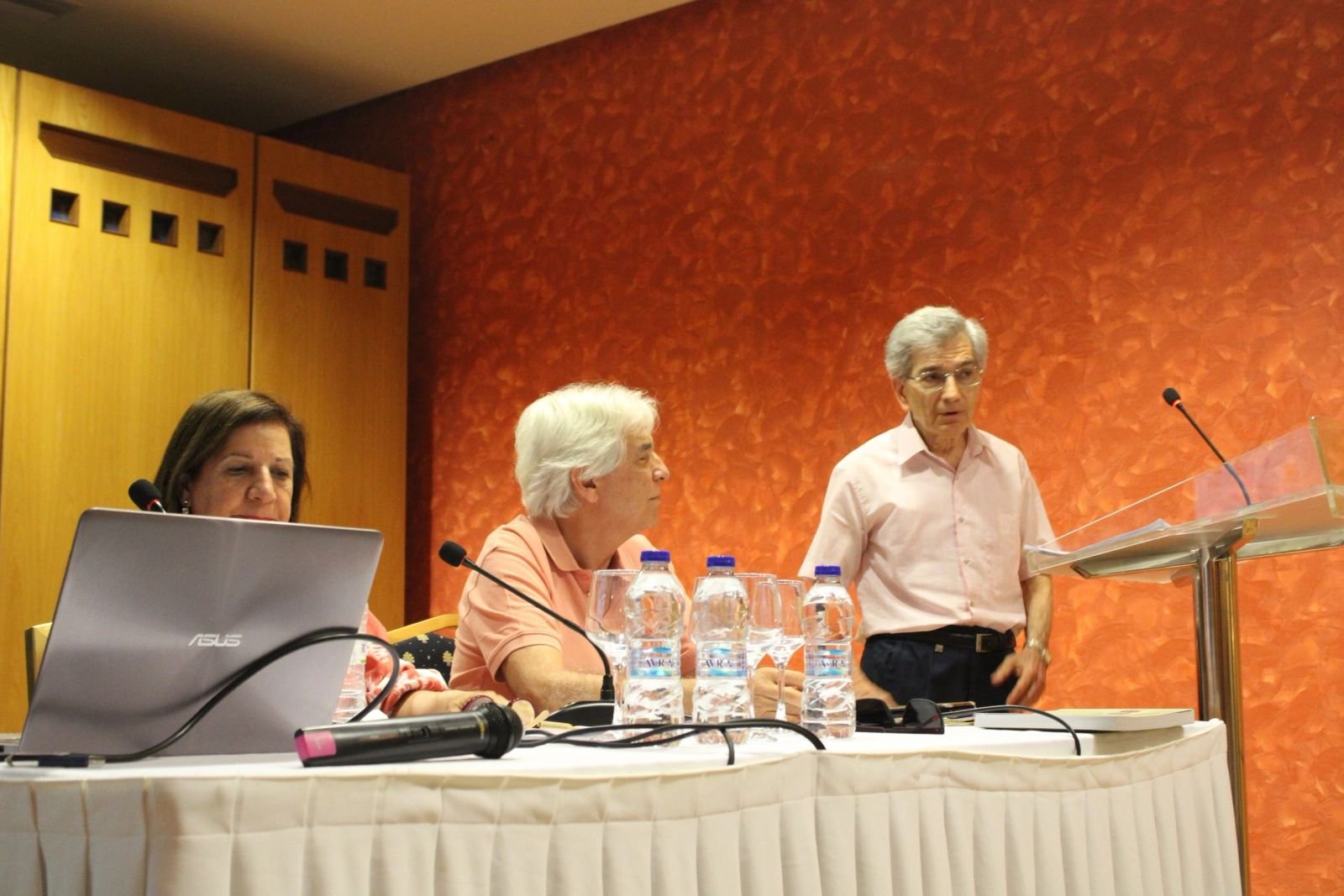
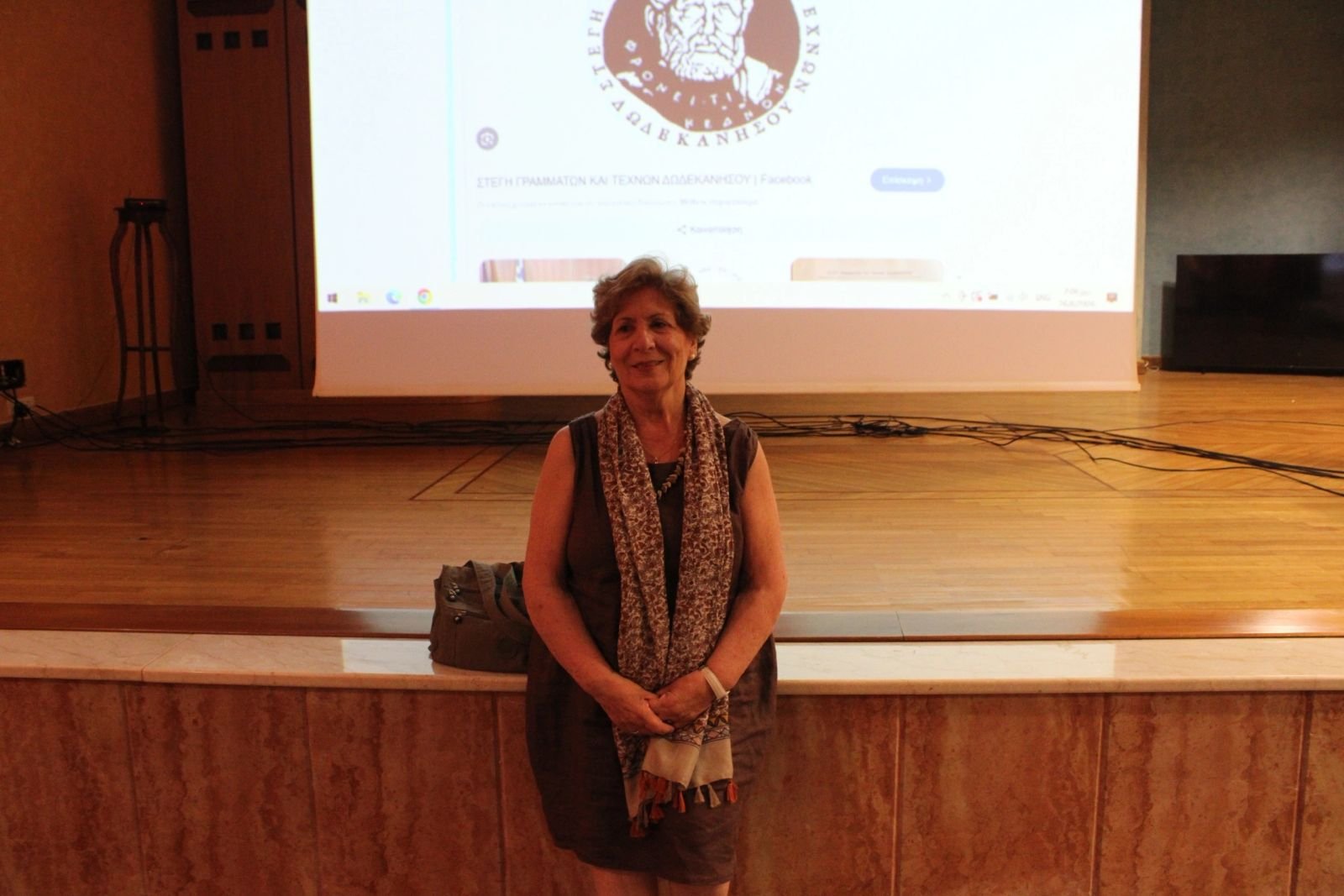
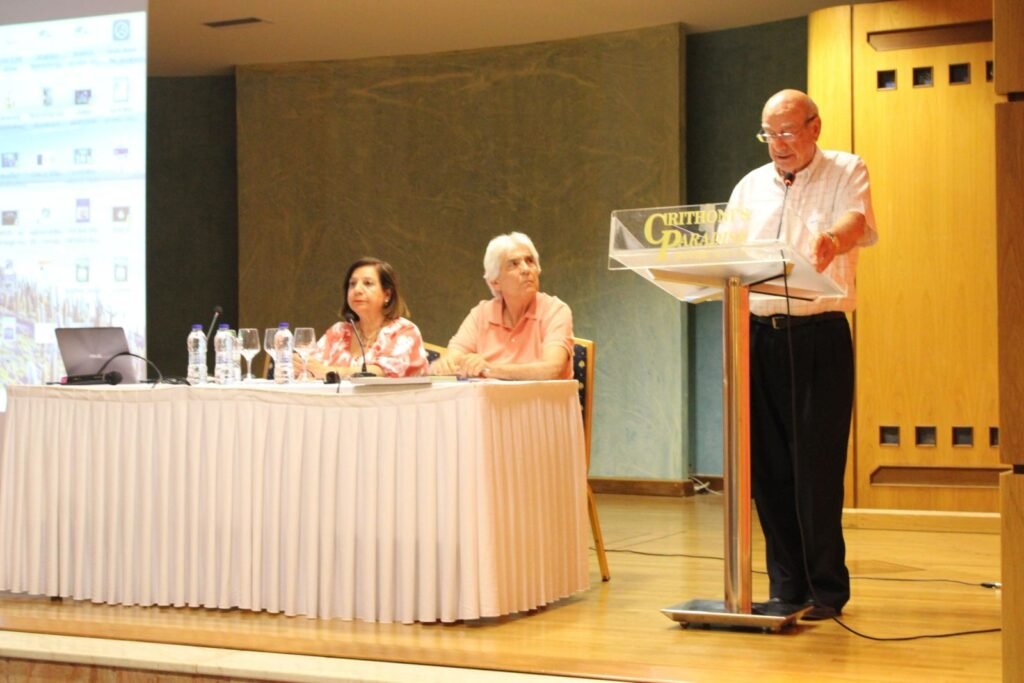
Leros welcomed scholars, researchers, academics, writers, and cultural figures from across Greece and abroad for the 24th Dodecanese Cultural Symposium, held from 25 to 27 June 2026 at the Conference Centre of the Crithoni’s Paradise Hotel.
Organized by the Dodecanese Society of Letters and Arts, this prestigious cultural event showcased the history, traditions, folklore, archaeology, literature, and contemporary cultural heritage of the Dodecanese through dozens of original presentations and academic papers.
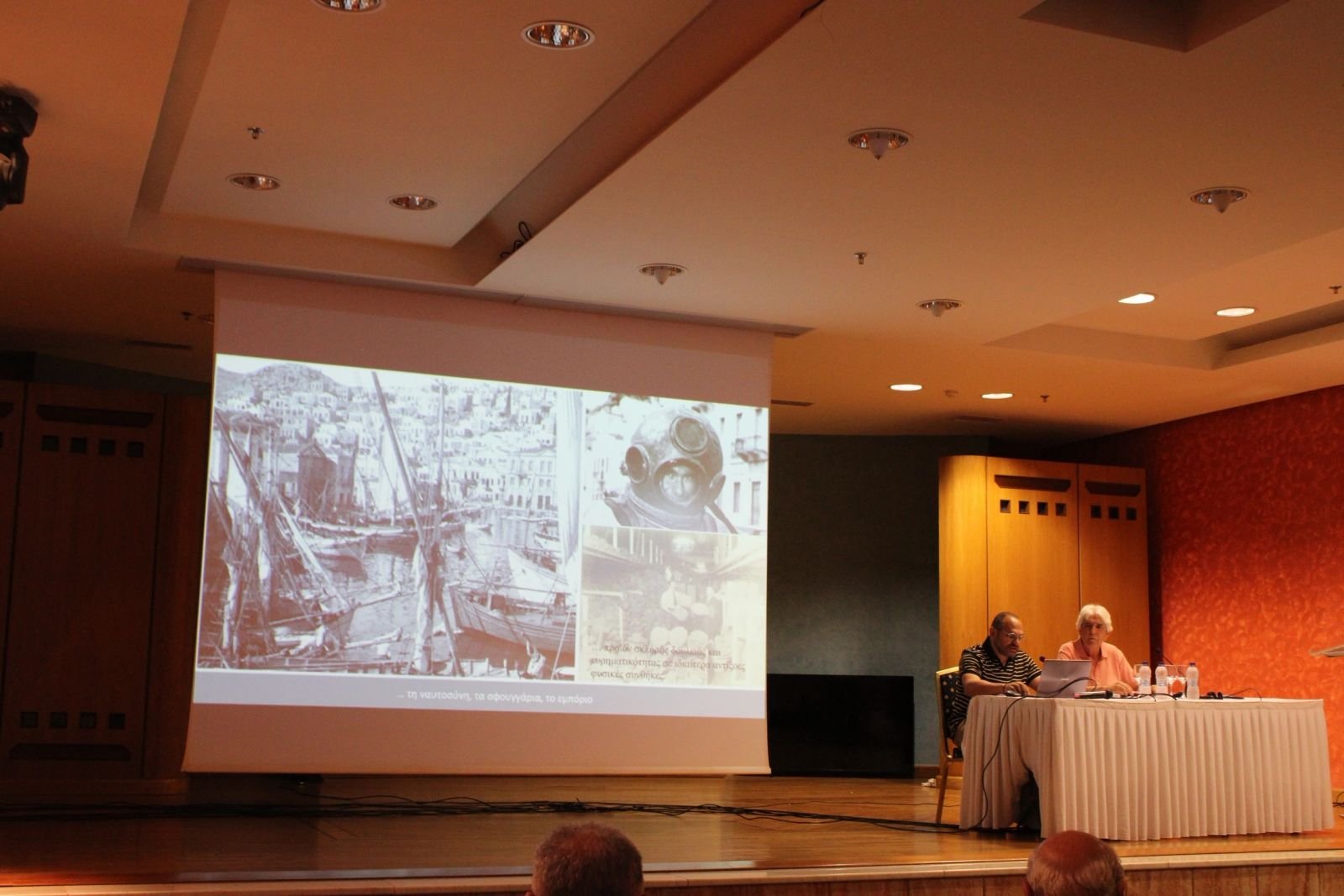
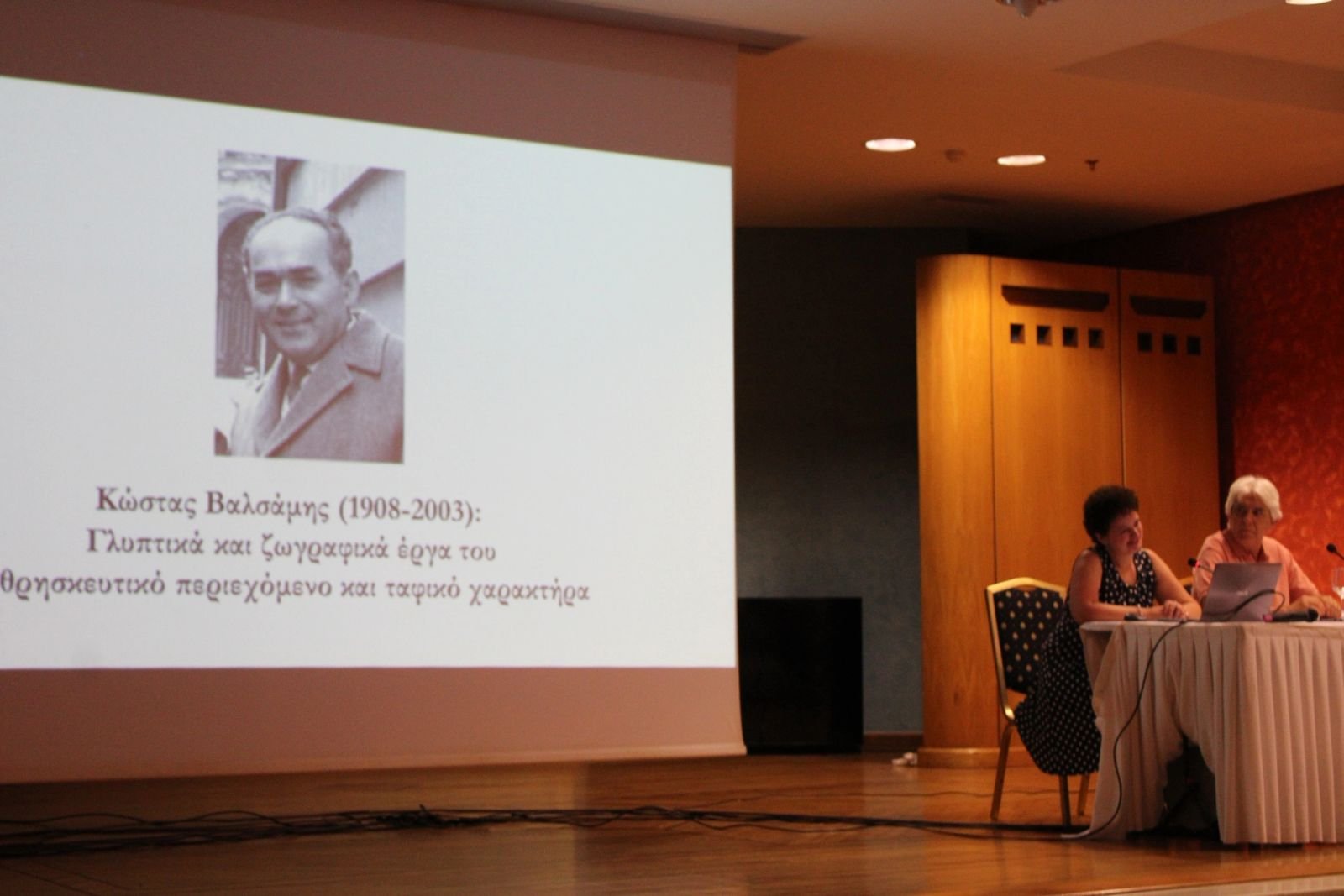
Over the course of the three-day symposium, speakers presented research focusing on Leros, Kalymnos, Kos, Rhodes, Patmos, Halki, Karpathos, and other islands of the Dodecanese, shedding light on lesser-known aspects of their history, society, and cultural legacy. Our newspaper is committed to publishing several of the presentations that generated significant interest among symposium participants.
Presenters from Kalymnos, in the order of their appearance at the symposium, were:
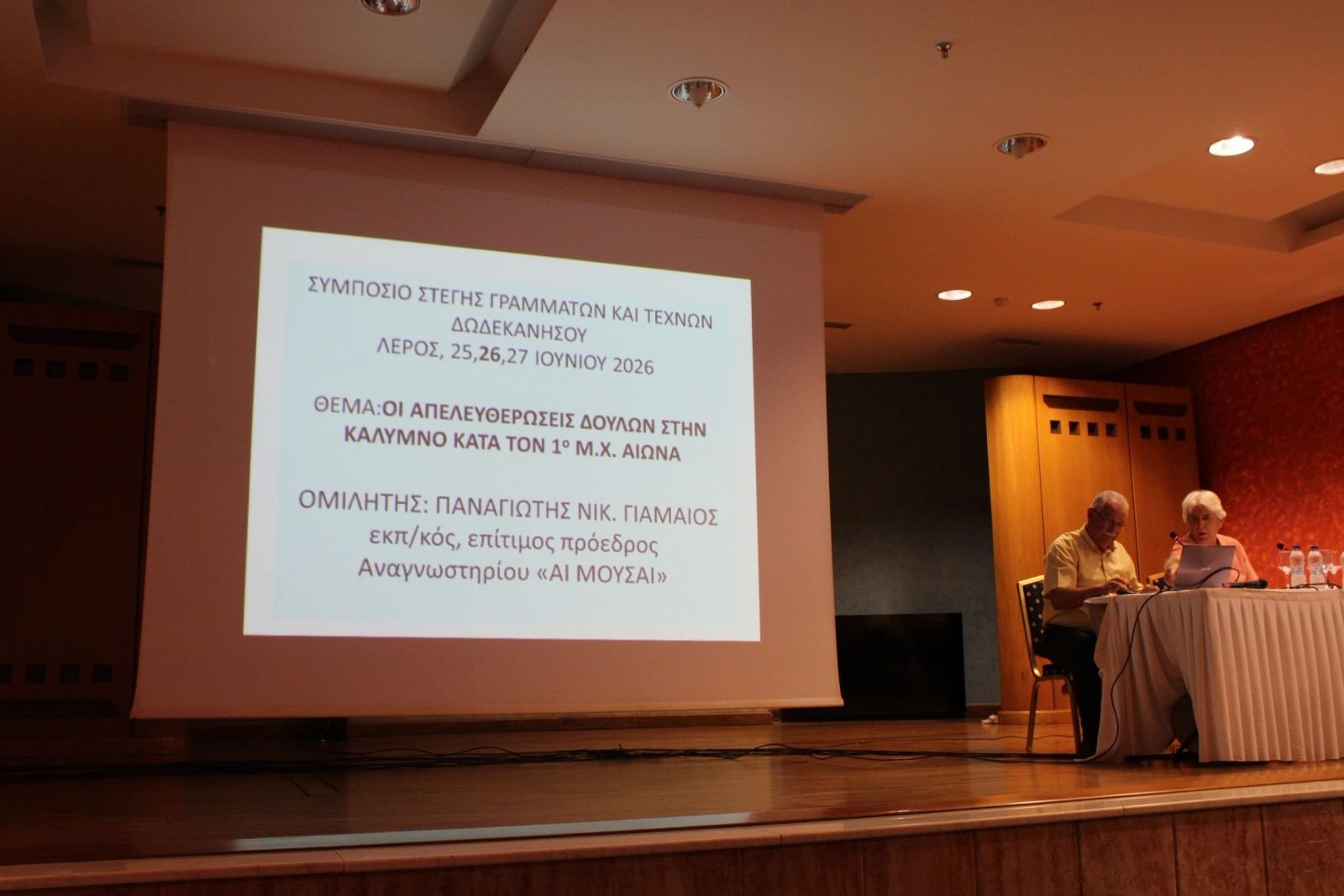
- Panagiotis Yamaios, Honorary President of the Kalymnos Reading Society “Ai Mousai” – The Manumission of Slaves in Kalymnos during the 1st Century AD
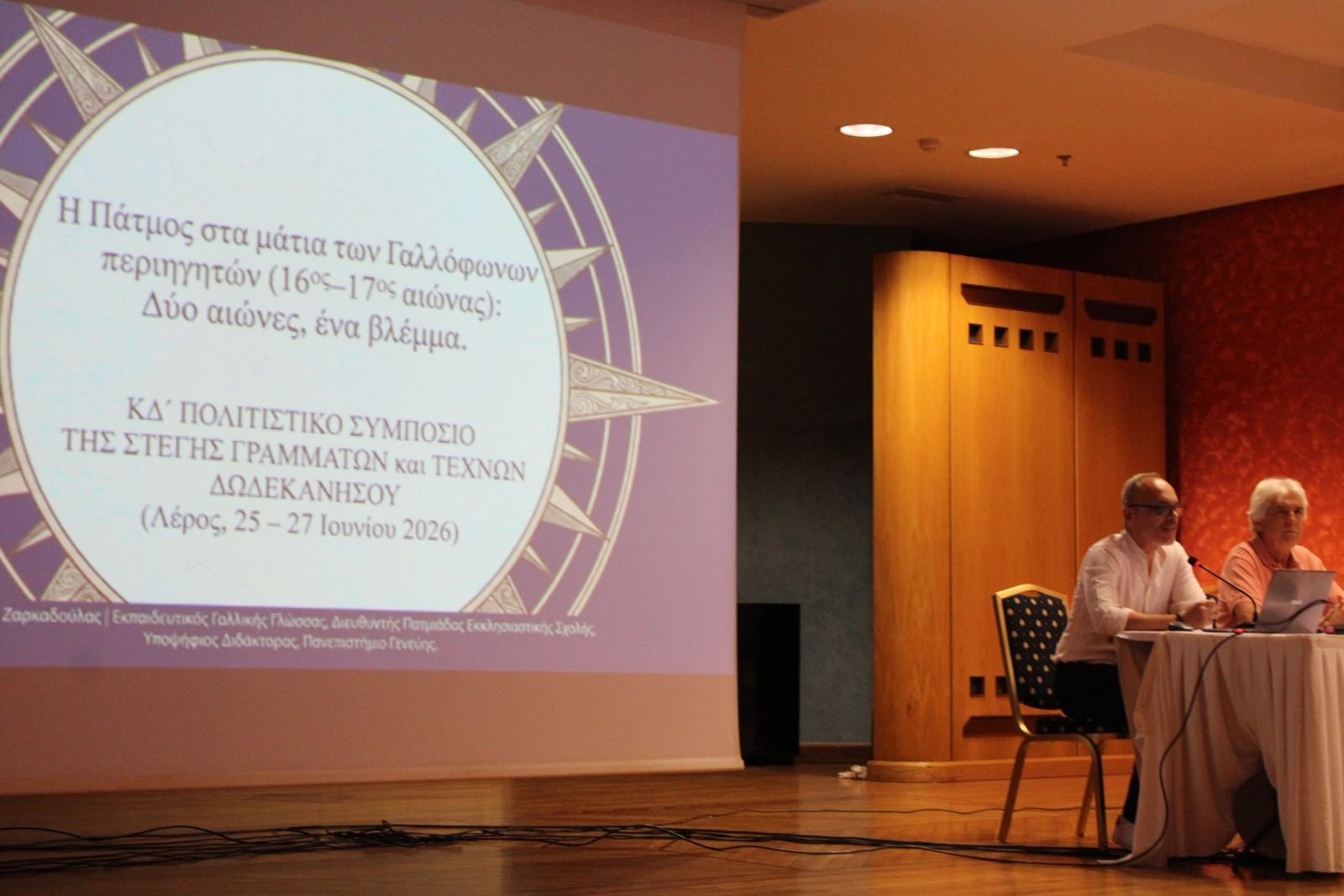
- Emmanuel Yamaios, retired educator – The Ecclesiastical School of Patmos
- Eirini Galanou-Boufidi, retired media professional – The LEROS Hotel (Albergo Roma): The Michael Zekkos Period
- Christina Papoutsi, educator and Vice President of the Kalymnos Reading Society “Ai Mousai” – The Traditional “Eftazymo” Bread of Kalymnos: A Folklore Study
- Merkourios Volonakis, philologist – A Sociological Approach to the Traditional Costume of Kalymnos
The accompanying video featuring highlights from the symposium also includes an excerpt from the presentation by Dimitris Isychos, architect, entitled “Ioannis Sofianopoulos: The Man Who Persuaded the Soviet Foreign Minister to Vote in Favor of the Dodecanese Returning to Greece—Yet Was Never Recognized by Greece or History.” This presentation is of particular significance for all Dodecanesians, as it examines a largely overlooked chapter of major historical and political importance.
Once again, the 24th Dodecanese Cultural Symposium served as a meeting point between academic research and living cultural tradition, reaffirming the important role of Leros as a place of historical memory, intellectual exchange, and cultural dialogue.