

No Filter, Eleftheria Tiliakou
“When Turkey’s Soft Diplomacy Passes Through Kalymnos — and the Hard Kind Through Evros”
Kalymnos once again finds itself at the heart of the Aegean — not only geographically, but diplomatically and symbolically. This weekend, the island is hosting the 18th TEE Dodecanese – Mugla Meeting, under the theme “Vertical Landscapes.” Just days earlier, in the Turkish coastal town of Datça, children from Kalymnos laughed and embraced their Turkish peers during the 2025 Friendship Basketball Tournament.
Two events infused with the spirit of cooperation, dialogue, and cultural exchange. Events that stand as clear examples of soft diplomacy — the kind that aims to bring people closer, build bridges, and cultivate understanding. Especially when it involves children and professionals, far from the toxicity of geopolitical tensions, such initiatives are a breath of fresh air.
However — and this is where we must confront the contrast — while trust is being built in Kalymnos and Datça, elsewhere the reality is quite different.
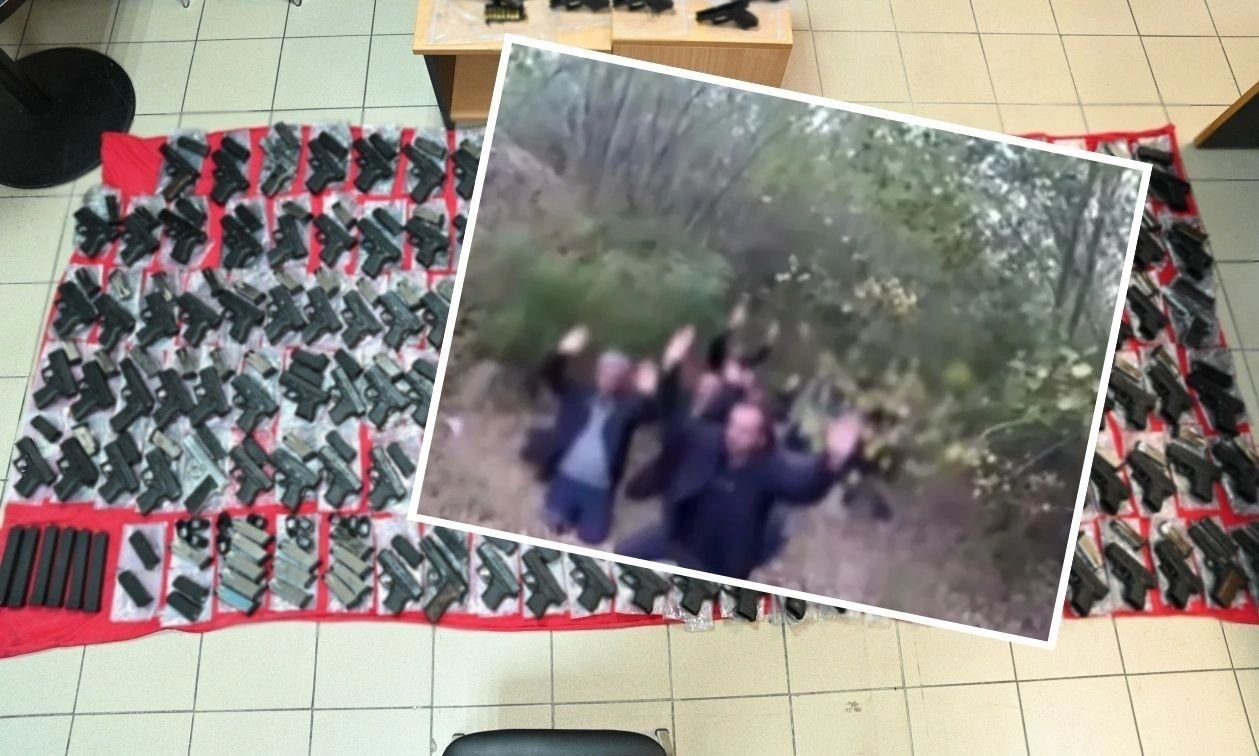
Just a few days ago in Evros, 13 Turkish nationals were arrested with 147 handguns, 190 magazines, and numerous metal parts in their possession. They had waited for a full week — until the end of the Greek military exercise “Parmenion” — to smuggle the weapons across, using migrants. All of this, reportedly, was destined for the Turkish mafia. A chilling reminder that Turkey’s hard diplomacy does not only come through official statements or naval maneuvers — it also arrives via smugglers, aggressive fishermen, and covert acts of destabilization.
The fishermen of Kalymnos know the darker side of this all too well: daily threats from Turkish fishing boats, harassment in Greek territorial waters, and a persistent sense of insecurity — not only from state actors, but also from paramilitary or unofficial operatives.
This duality — soft versus hard diplomacy — is now impossible to ignore:
- On one hand, friendship tournaments, scientific symposia, and bridge-building between communities.
- On the other, weapon shipments, migrant trafficking from the Turkish coast, and aggressive actions in the Aegean.
Both sides of this approach are strategic. Turkey chooses when to smile and when to apply pressure — depending on the audience, the moment, and its own national interests.
But this does not mean that soft diplomacy should be dismissed. On the contrary, as Greeks, we must strengthen it, direct it, and use it to our own benefit. When children from Kalymnos return from Turkey with friendships and shared experiences, and when engineers from both countries discuss landscape and architecture, a different Aegean is being shaped — one that is safer, more cooperative, and more humane.
Still, we must not grow complacent. Greek foreign policy — especially in our island regions — must strike a delicate balance:
- The open arms of peace,
- with the calm resolve of deterrence.
Because only then will we be prepared for whatever may come from the opposite shore.
Kalymnos is not just a frontier. It is also a bridge.
How we choose to use it — as a barrier or a passage — is up to us.
Eleftheria Tiliakou
Publisher, Kalymnos Times