
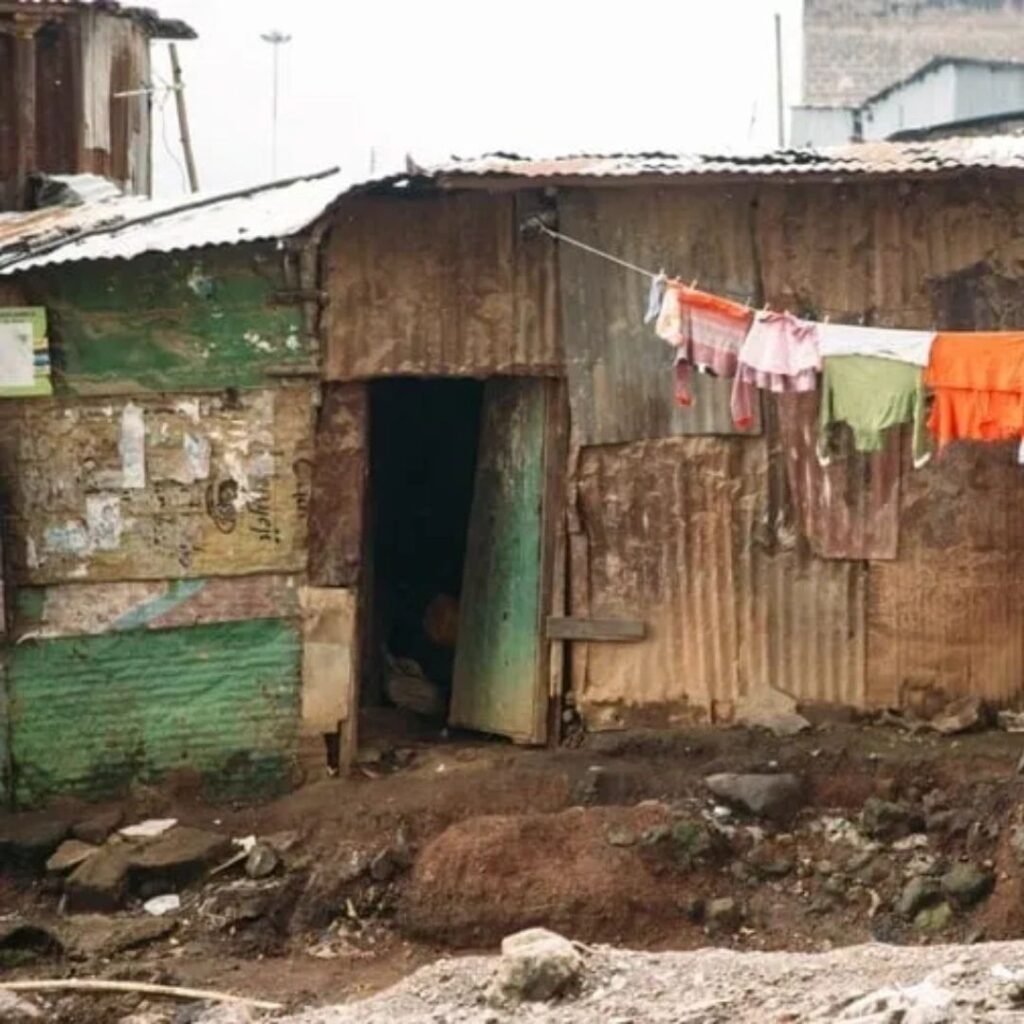
We live in a world of inequalities; inequalities we have caused, inequalities we have allowed to emerge and continue to exist throughout the centuries, inequalities we tend to preserve knowingly or in ignorance! African peoples offer a case study of evident suffering that dates back to the time when Europeans pioneered the destruction of the fabric of primitive societies in order to “awaken” them into civilisation as it has very conveniently been claimed; although, we know, it was to appropriate valuable resources, be they raw materials, land, or cheap labour. As a result of the need of powerful nations to extend their sphere of influence and strengthen their economy, tribal populations were robbed of their independent economy, their land, their way of life, their identity. They became instruments of a foreign economy and culture they did not understand and did not participate in as equals. They never learned how to cope with the new world that was forced upon them; first taken into slavery and later thrown into segregated areas, always illiterate, always uninformed, always left to live in the worst possible conditions. Ignorance, filth, malnutrition, and illness created a deadly sphere they cannot escape from unless the rest of the world put away their pretence and really see what is happening.
The goal, as many have envisioned it, should be a global awareness and understanding of those factors which cause and maintain poverty and illness in these populations, as well as how these two evils affect and reproduce each other in a vicious circle. Once we become aware ourselves, we can then guide the youth, who are the future leaders of society, to develop an awareness that will enable them in turn, to improve further what is being attempted at present. We believe that educational institutions ought to grasp the opportunity their role gives them and make good use of their means to instil knowledge, information and understanding, in the minds of those they prepare for active participation in the world. Youngsters are taught history so as to understand the past, be proud of great deeds and question the usefulness and ethics of others; they are guided to think and judge events that have brought about the present. They are also taught sciences so as to become efficient, productive members of their society, which society they will later help to develop further. They are taught languages and literature so as to encourage them to communicate and create with words, enriching our world with new ideas. Shouldn’t they also be shown different realities of people, not as privileged, but who could be made to suffer less, live more, give more, and in short, share the world with the rest of us on an equal standing? Shouldn’t we consider that it is to the youth’s advantage to become aware of such realities? It can only do the world of good to them to know; they can then appreciate what they have taken for granted and work towards a more humane society.
N. Mania
Graduate of McGill University, Montreal, Canada
Psychology, Anthropology